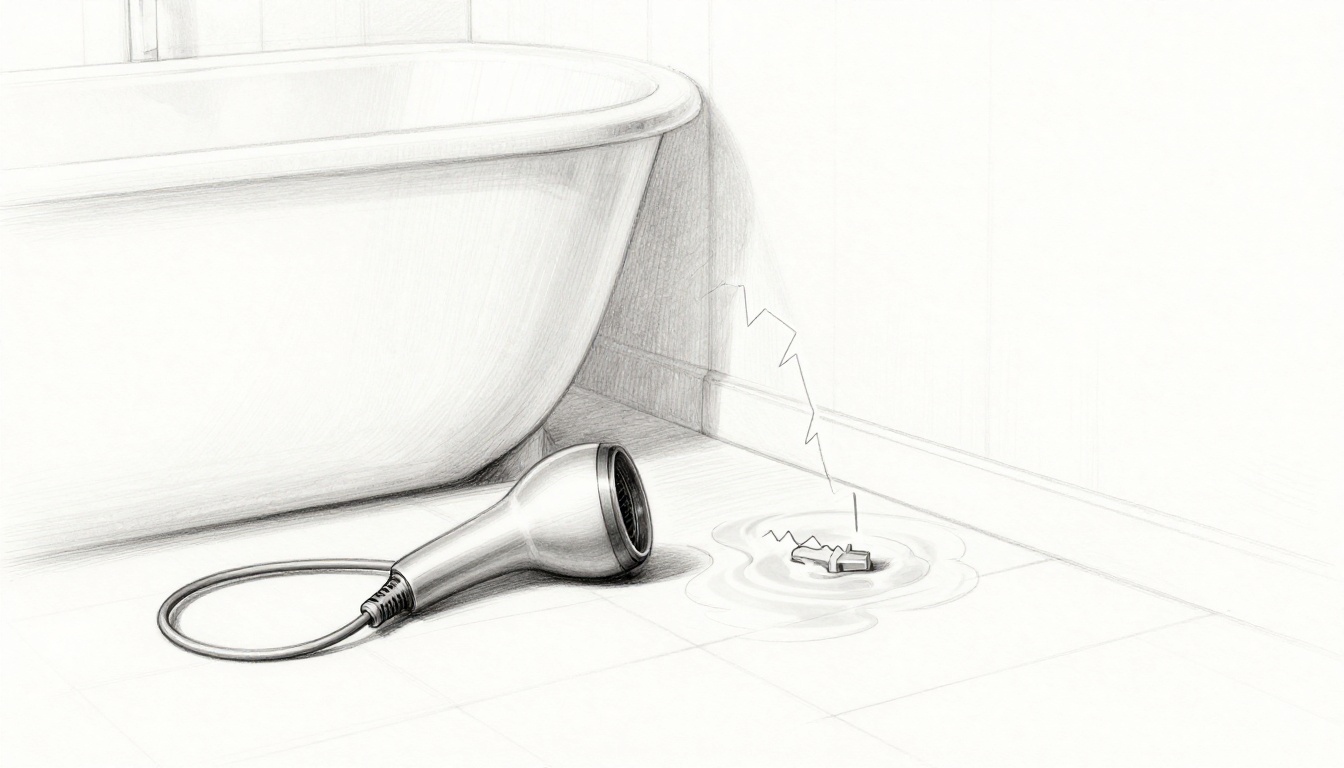
Picture this: a busy mom finishes blow-drying her hair. She sets the cord near the bathtub edge. One slip, and it dangles into the water. In seconds, tragedy strikes. Water looks innocent. Yet it turns into a superhighway for electricity. That current races through your body. It can stop your heart before you blink.
You might think pure water resists shocks. That’s partly true. But everyday tap water? It grabs minerals and salts. Those make it conduct power like a live wire. Electrocution risks skyrocket in bathrooms, kitchens, or pools. Each year, hidden currents claim lives. Often, they mimic simple drownings.
This post breaks it down. You’ll learn the science behind why water conducts electricity. Then spot common danger zones. Next, see real stats that hit close to home. Finally, grab simple fixes to protect your family. Ready to keep water fun and safe?
How Water Carries Electricity Through Your Body
Electricity flows best through materials with free-moving charged particles. Think ions. They act like players passing a hot potato. Pure water lacks enough ions. So it blocks current, much like rubber gloves do. But real-world water picks up extras fast.
Tap water brims with dissolved salts. Sodium and calcium ions zip around. They carry charge efficiently. As a result, tap water conducts about 100 times better than distilled stuff. Air adds dust. Pipes leach metals. Even rain mixes in impurities.
A small leak from a faulty appliance changes everything. Current spreads wide in wet areas. Your body completes the path to ground. Muscles seize up. You can’t pull away.
For deeper science on what makes water conductive, check Science Insights explanation.
Pure Water vs. Everyday Tap Water
Pure water resists electricity. It works as an insulator. No ions mean no easy path for current.
Tap water differs big time. Salts break into charged bits. These ions let power flow.
Here’s a quick comparison:
| Type | Ions Present | Conductivity Level | Danger Risk |
|---|---|---|---|
| Pure Water | Almost none | Very low | Low |
| Tap Water | High (sodium, calcium, etc.) | High | Very High |
Pure drops stay safe short-term. But near wires, corrosion adds ions quick. Pools and baths worsen it. Chlorine and sweat boost conductivity too.
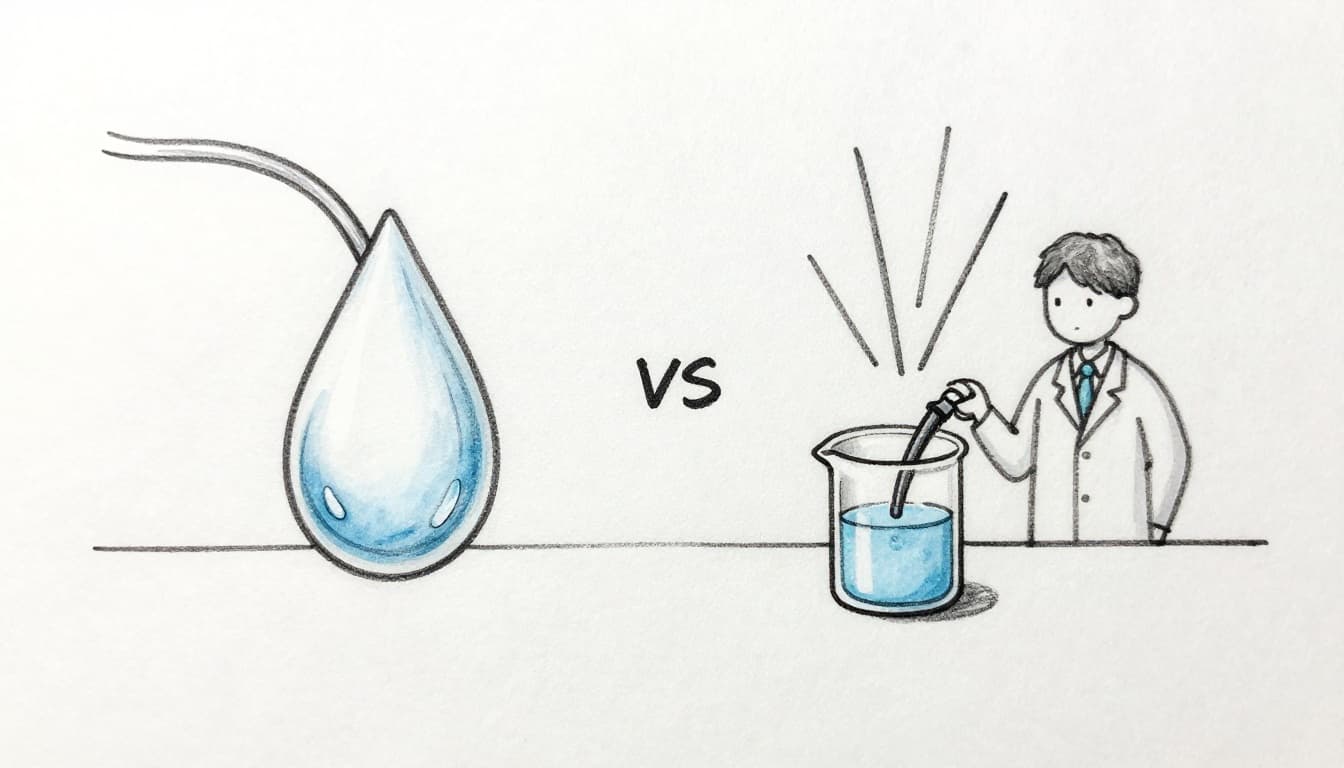
In short, everyday water invites shocks. Pure stuff rarely stays pure long.
What Happens During an Electric Shock
Shocks follow clear steps. First, a bad wire leaks current into water.
Second, moisture spreads it out. It reaches farther than dry air.
Third, your body links it to ground. Skin soaks up water. Resistance drops low.
Fourth, effects hit fast. At 10 milliamps, muscles lock. You grip the source tight. Over 100 milliamps? Heart rhythm fails.
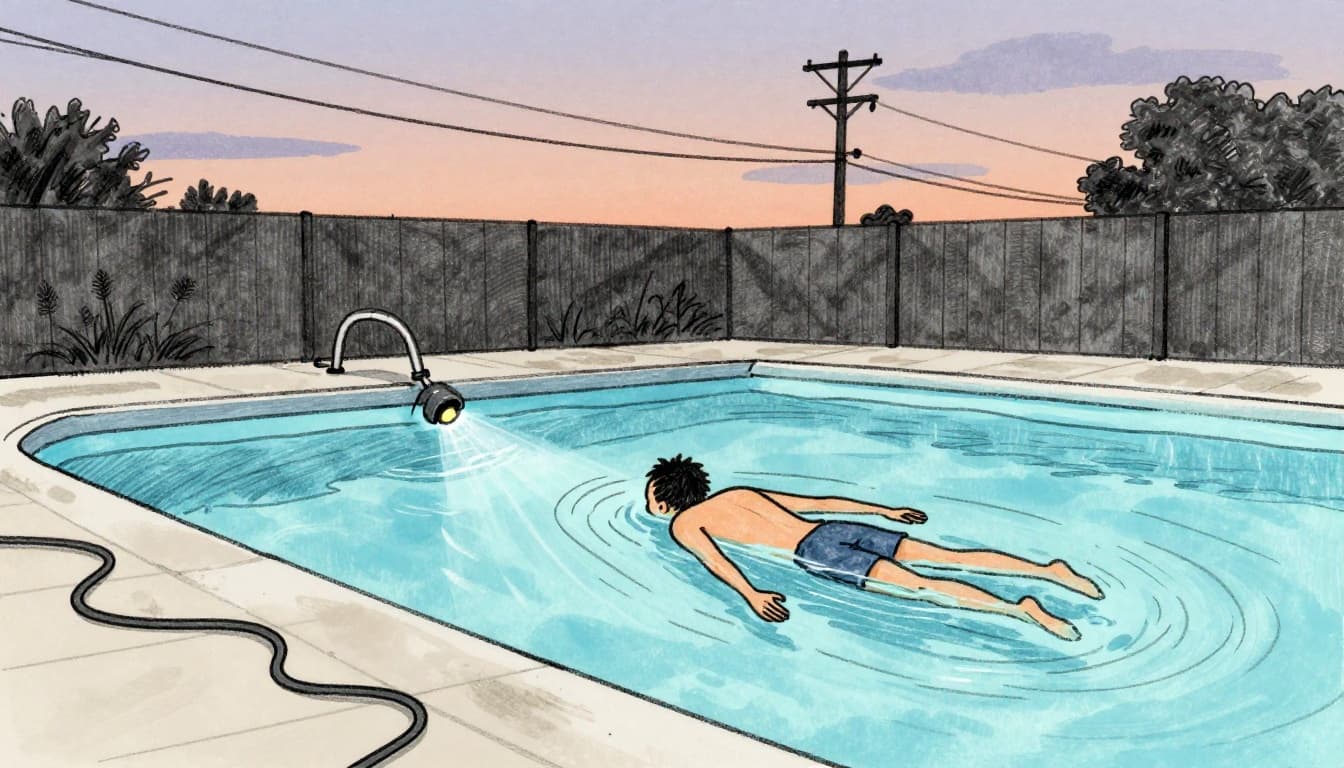
This leads to electric shock drowning. Low current paralyzes swimmers. They sink silent. No splash warns others.
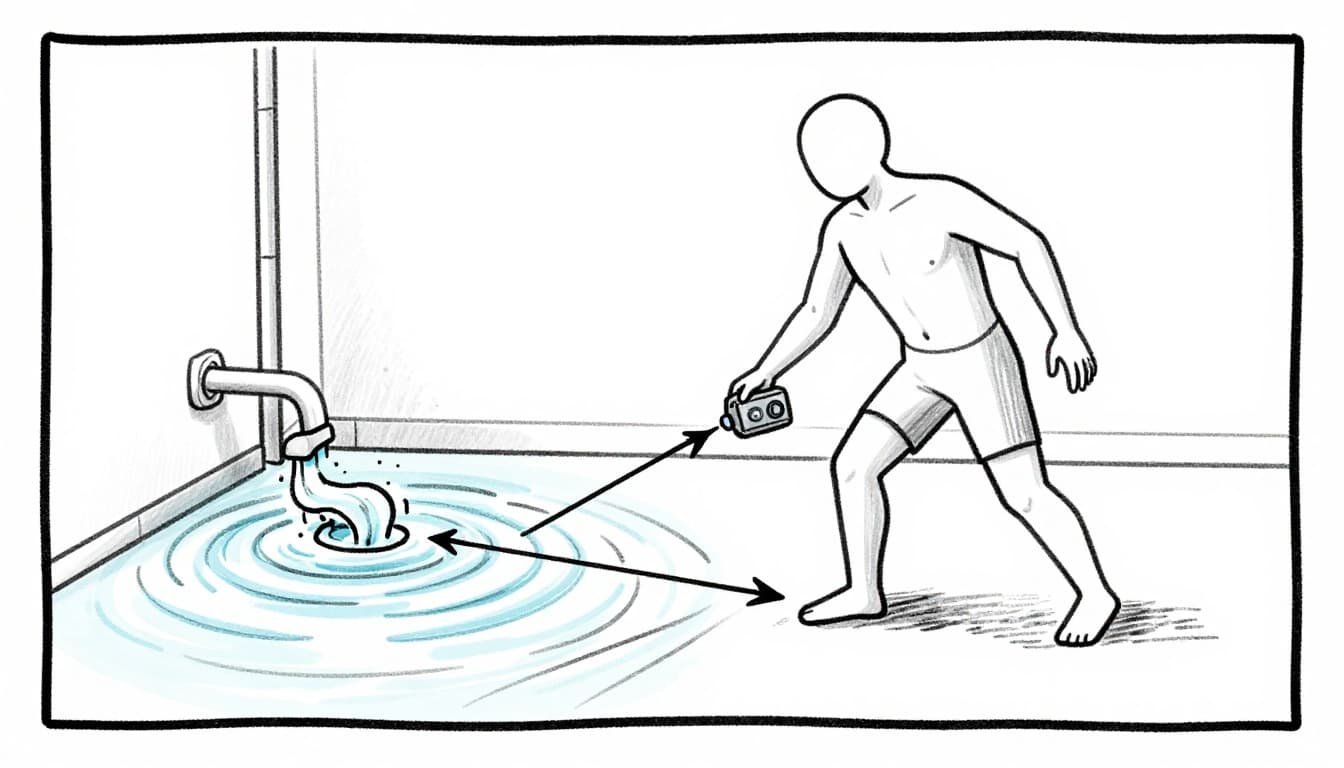
GFCIs sense leaks. They cut power in milliseconds. Still, prevention beats reaction.
Everyday Spots Where Water and Electricity Turn Deadly
Dangers hide in plain sight. Homes see most risks. Wet hands touch outlets. Spills reach cords.
Outdoors amps it up. Rain hits mowers on damp grass. Sprinklers spray extensions.
Pools top the list. Faulty pumps or lights leak current. Swimmers feel tingles first.
Bathrooms claim quick victims. Hair dryers near tubs. Razors plugged in showers.
Kitchens flood easy. Toasters by sinks. Microwaves over spills.
Laundry rooms trap moisture. Wet clothes touch irons.
Hidden Risks in Your Bathroom and Kitchen
Start with baths. Wet skin cuts body resistance in half. A dropped dryer energizes the tub.
Kitchens see spills daily. Coffee hits counters. Cords dangle low.
One mom rinsed dishes. Water hit the toaster plug. She grabbed it. Muscles froze her hand.
Stats show bathrooms lead home shocks. Wet floors spread current wide.
Poolside and Outdoor Nightmares
Pools hide worst cases. Underwater lights fail. Current gradients pull victims down.
Extension cords on wet decks? Disaster. Keep them 10 feet away minimum.
Thunderstorms zap lines. Stay out during storms.
Electric shock drowning strikes freshwater most. Docks with boat lifts leak low voltage. Swimmers paralyze 20 feet out.
Learn more about electric shock drowning basics.
The Alarming Stats on Water-Related Shocks
Numbers shock more than currents. No full 2024-2026 tally exists. Tracking lags. Many pass as drownings.
In 2024, an 18-year-old died at Smith Mountain Lake. Faulty dock lift leaked power. Two others hurt.
Older CPSC data packs punch. From 2002-2018, 33 pool or spa electrocutions. That’s 2-3 yearly average.
Here’s a snapshot:
| Period | Incidents | Deaths/Injuries |
|---|---|---|
| 2002-2018 | 47 | 33 deaths |
| 2024 (known) | 1+ | 1 death |
Underreporting hides truth. ESD mimics regular drownings. NFPA pushes GFCIs to fight back.
These aren’t far-off tales. They hit families like yours. One lake summer saw 7 ESD deaths.
See NASBLA resources on ESD stats for more cases.
Proven Ways to Keep Electricity and Water Apart
Fixes work simple. Install GFCIs everywhere wet. They trip on leaks fast.
Never use devices with wet hands. Unplug after storms. Keep cords dry.
For pools, follow NEC rules. GFCIs protect all outlets within 20 feet. Test monthly.
Outdoors, use covered receptacles. Skip long extensions in rain.
If you feel tingles in water, swim away calm. Don’t panic thrash.
Must-Have Safety Gear for Pools and Spas
GFCIs lead the pack. They monitor current balance. Imbalance? Power dies.
Bonding grids equalize voltage. No gradients mean no shocks.
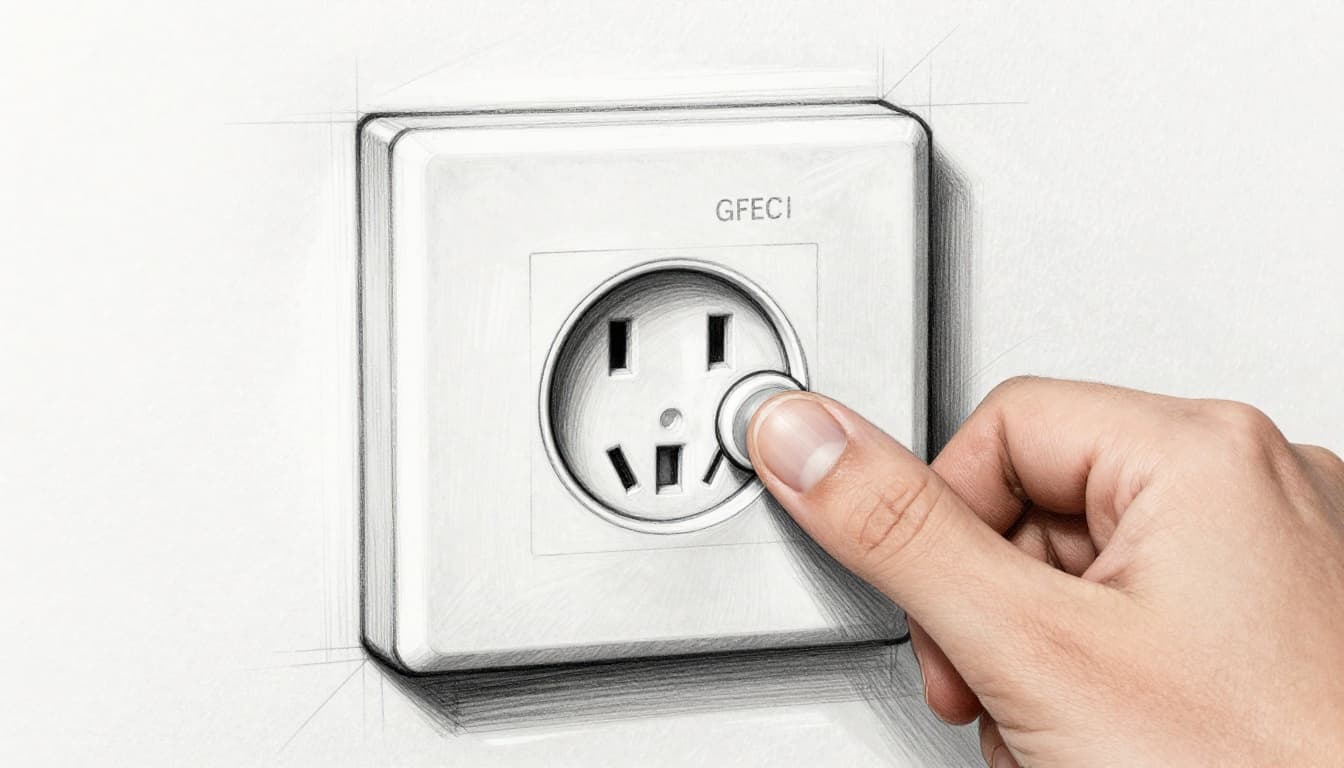
Keep pumps grounded. No lines overhead within 22 feet. Check NFPA ESD prevention guide.
Inspect yearly. Hire pros for wiring.
Quick Home Checks Anyone Can Do
Push GFCI test buttons monthly. They click off? Good. Reset follows.
Dry floors fast. Store cords high.
Supervise kids near water. Use battery toys.
One family added GFCIs. No shocks since. Simple swap saves lives.
Details on pool GFCI prevention.
Water plus electricity kills quiet. Science shows ions enable it. Stats prove risks real. Spots like baths and pools demand watch.
Act now. Check outlets today. Add GFCIs if missing. Teach family rules.
Share your close calls below. Stay safe. Water stays fun that way.