
You flip a light switch. The bulb glows instantly. That simple action hides a complex trip electricity takes to reach your home. Most folks never think about it until a bill arrives or lights flicker. Yet how electricity works in a house boils down to a clear path with safety checks along the way.
Power starts far away at plants fueled by coal, gas, wind, or sun. It travels high-voltage lines then drops to safe levels near your street. Once inside, your meter tracks use before it hits the breaker panel. Circuits branch out to rooms, outlets power gadgets, and built-in guards prevent shocks or fires. In 2026, smart tech and solar add new twists.
This post traces that path step by step. You’ll see why your panel buzzes during storms and how upgrades like EV chargers fit in. Let’s follow the electrons from grid to glow.
The Journey of Electricity: From Power Plant to Your Neighborhood
Electricity begins at power plants. Turbines spin from steam, wind, or falling water. In the US, renewables like wind and solar supplied about 26 percent of power in recent years, up from past decades. Natural gas leads, but clean sources grow fast because they cut costs over time.
Plants push out high voltage, often 500,000 volts or more. High voltage means less energy loss over distance. Think of it like a fast highway. Wires on tall towers carry power across states. These transmission lines link plants to cities.
Substations come next. They sit near towns and use transformers to drop voltage. Safer levels, around 10,000 to 35,000 volts, head out on smaller poles. For details on this delivery system, check the U.S. Energy Information Administration’s explanation.
Local distribution lines run along streets. Pole-top transformers finish the job. They slash voltage to 120 or 240 volts for homes. Your neighborhood gets steady supply this way.
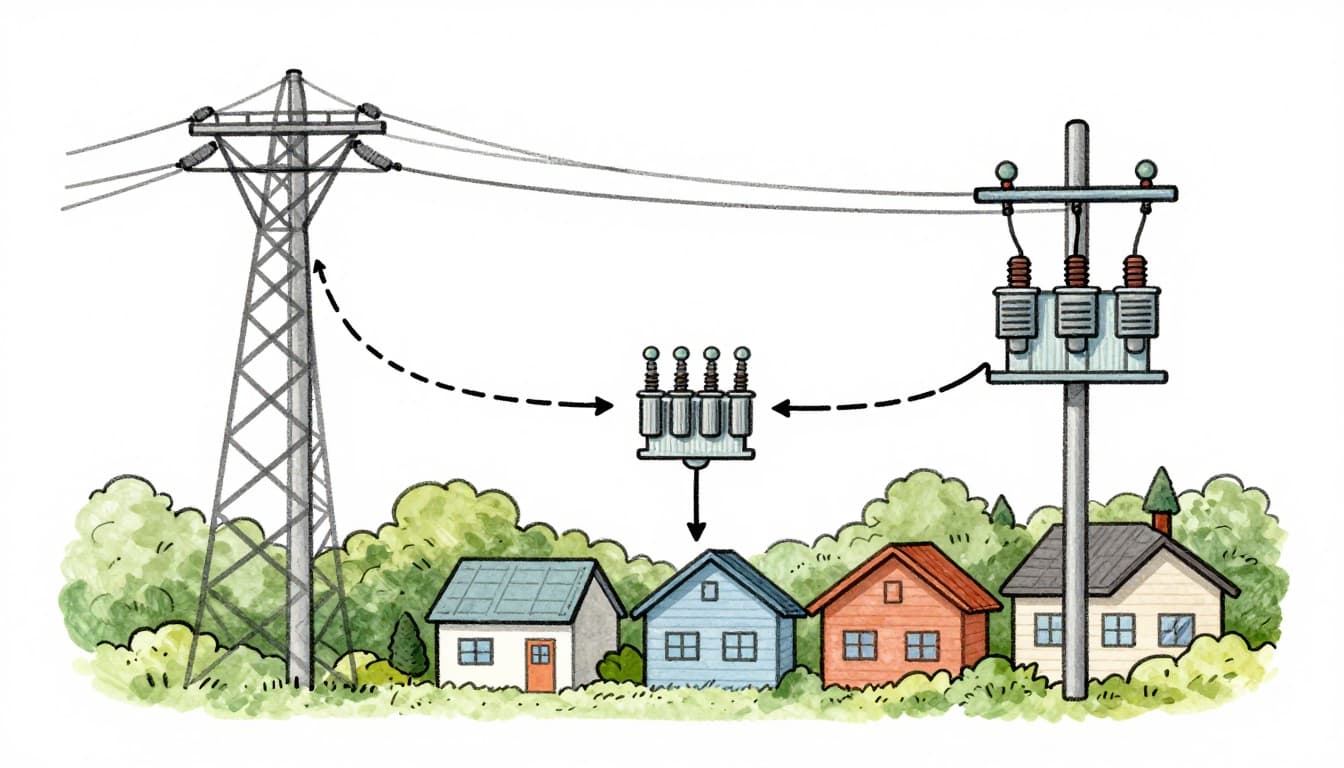
Why Transformers Are Everywhere on Utility Poles
Transformers look like metal cans on poles. They step down voltage so it won’t fry your wiring. Transmission uses sky-high volts for efficiency; homes need tame power.
Without them, lines would overheat and waste energy. Spot those green or gray boxes? They hum softly as current flows. Most US homes rely on these for safe entry.
First Stop at Home: The Meter and Main Electrical Panel
Wires from the pole hook to your electric meter outside. It measures every kilowatt-hour you use. Old dials spin; modern smart meters send data wirelessly.
Utilities read smart ones remotely. No more truck visits. Inside, thick cables lead to your main panel, often in the garage or basement. This box splits incoming 240-volt service into branches.
Panels hold rows of breakers. They control power to rooms. Flip the main switch, and the house goes dark.
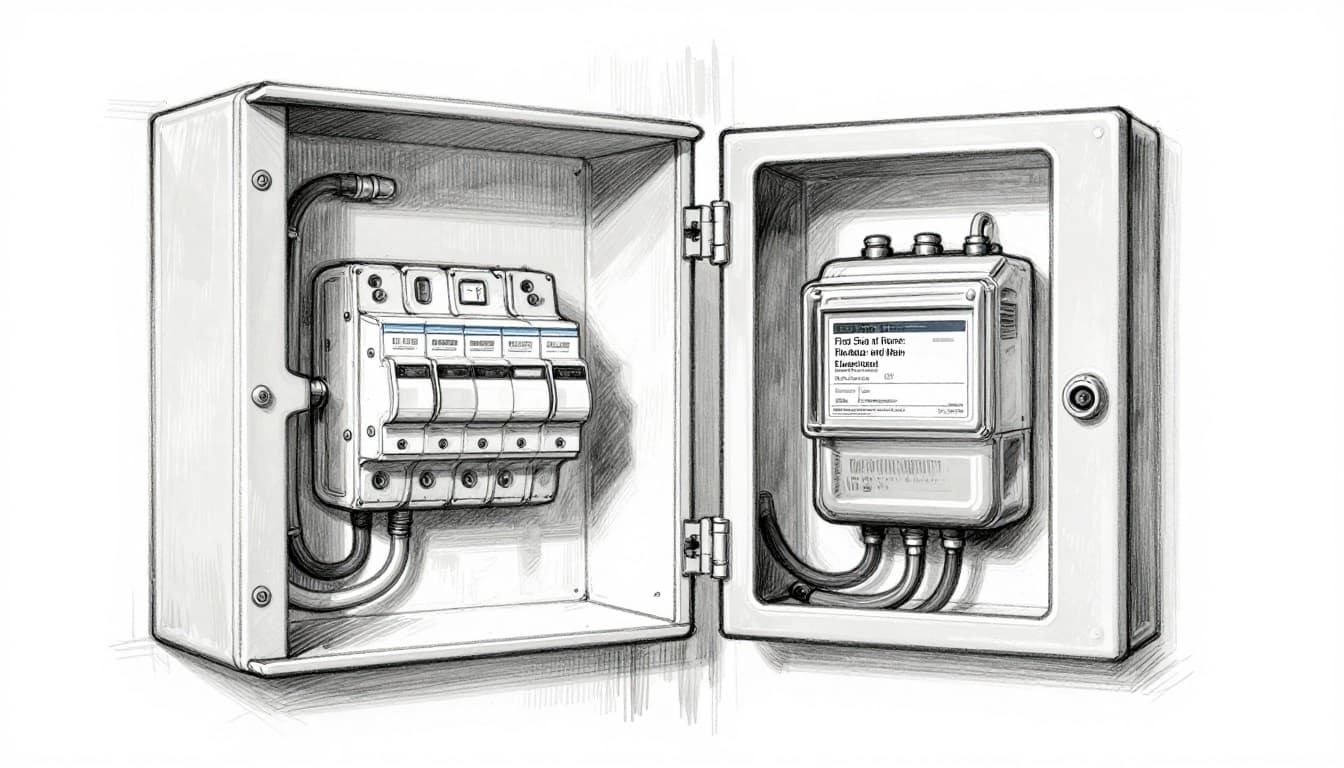
Smart Meters: Your Window into Real-Time Power Use
About 75 percent of US homes have smart meters now. They track use by the minute via apps. See spikes from your dryer, then shift loads to save cash.
Utilities manage peaks this way. Lower demand means fewer blackouts and bills drop 5 to 15 percent. Apps link to thermostats for auto tweaks. For more on outcomes, see this guide to smart meters for utilities.
Break It Down: How Circuit Breakers and Circuits Power Your Rooms
Circuits start at the panel. Each wire path feeds lights or outlets in a room. A breaker guards every one.
Standard homes use 15- or 20-amp breakers for 120 volts. Kitchens get more. Plug in a toaster; current flows from hot wire through device to neutral back to panel.
Overload? Breaker trips fast. It bends a metal strip to cut power. Shorts, like frayed cords, do the same. This stops fires.
Big appliances need 240 volts. Dryers use two hot wires. Your panel taps the full service drop.
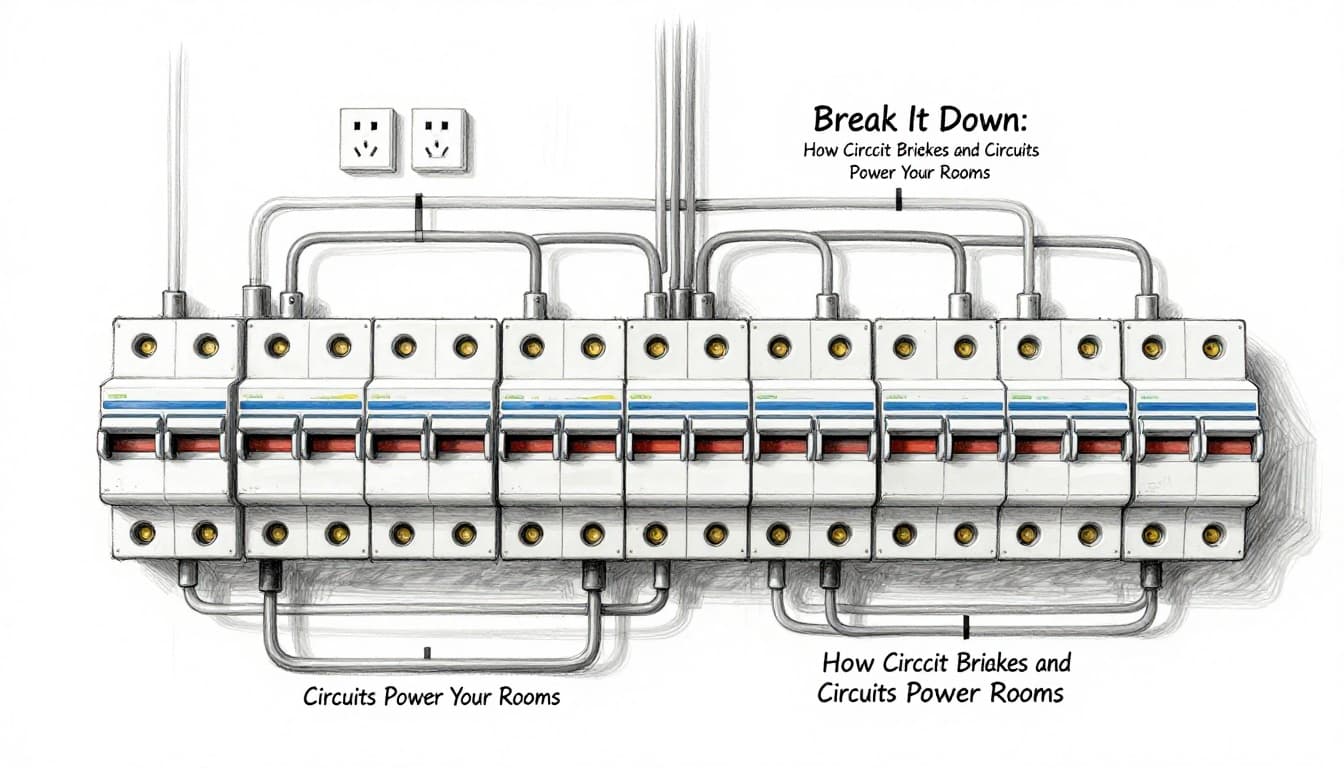
Kitchen circuits split loads. Lights on one, fridge on another. This keeps things cool under use.
Spotting Overload: When and Why Breakers Flip Off
Lights dim or outlets die? Breaker tripped. Too many gadgets pull excess amps.
Reset by flipping off then on. If it pops again, unplug loads. Call an electrician for wiring faults. Don’t bypass; that’s risky.
Wiring Through Walls: From Panel to Outlets and Lights
Breakers connect to cables stapled inside walls. Romex, a plastic-sheathed bundle, carries power safely.
Wires snake to boxes. An outlet waits for your plug. Lights mount overhead. Appliance plugs close the loop; electrons rush.
Ground wires bond metal parts. Faults send stray current there, not through you.
Modern codes demand thick insulation. Copper conducts best, but aluminum saves cash in big runs.
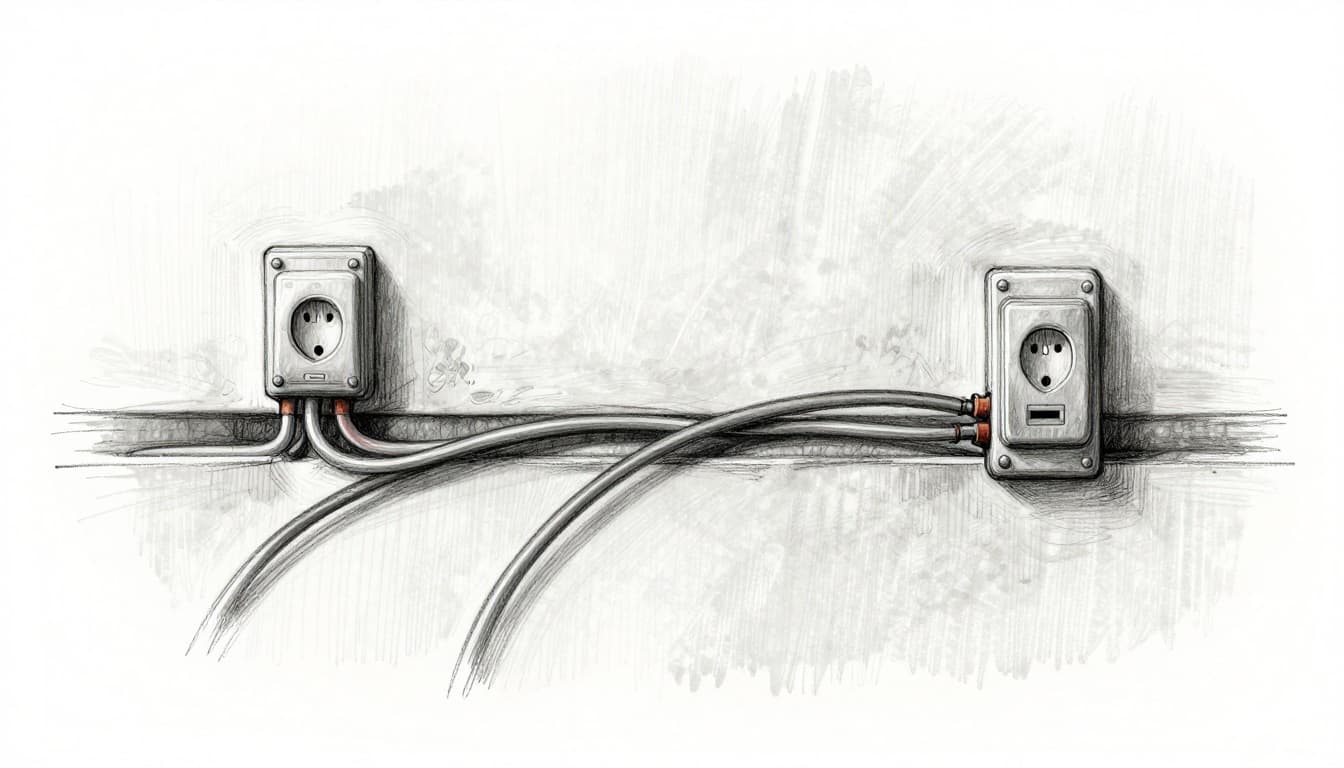
The Three Key Wires You Need to Know About
Hot wire (black) brings power. Neutral (white) returns it. Green or bare ground dumps faults.
Colors match code. Touch hot to ground? Breaker or GFCI acts. Simple setup keeps you safe.
Safety First: Features That Stop Shocks and Fires Before They Start
Breakers handle overloads. GFCIs watch for leaks. They compare outgoing and return current. Tiny imbalance trips in milliseconds.
Install them near water: baths, kitchens, garages. NEC 2026 adds rules for outdoor HVAC and pools. For changes, review GFCI requirements under the 2026 NEC.
AFCIs spot arcs from damaged wires. They buzz-cut sparks before flames start.
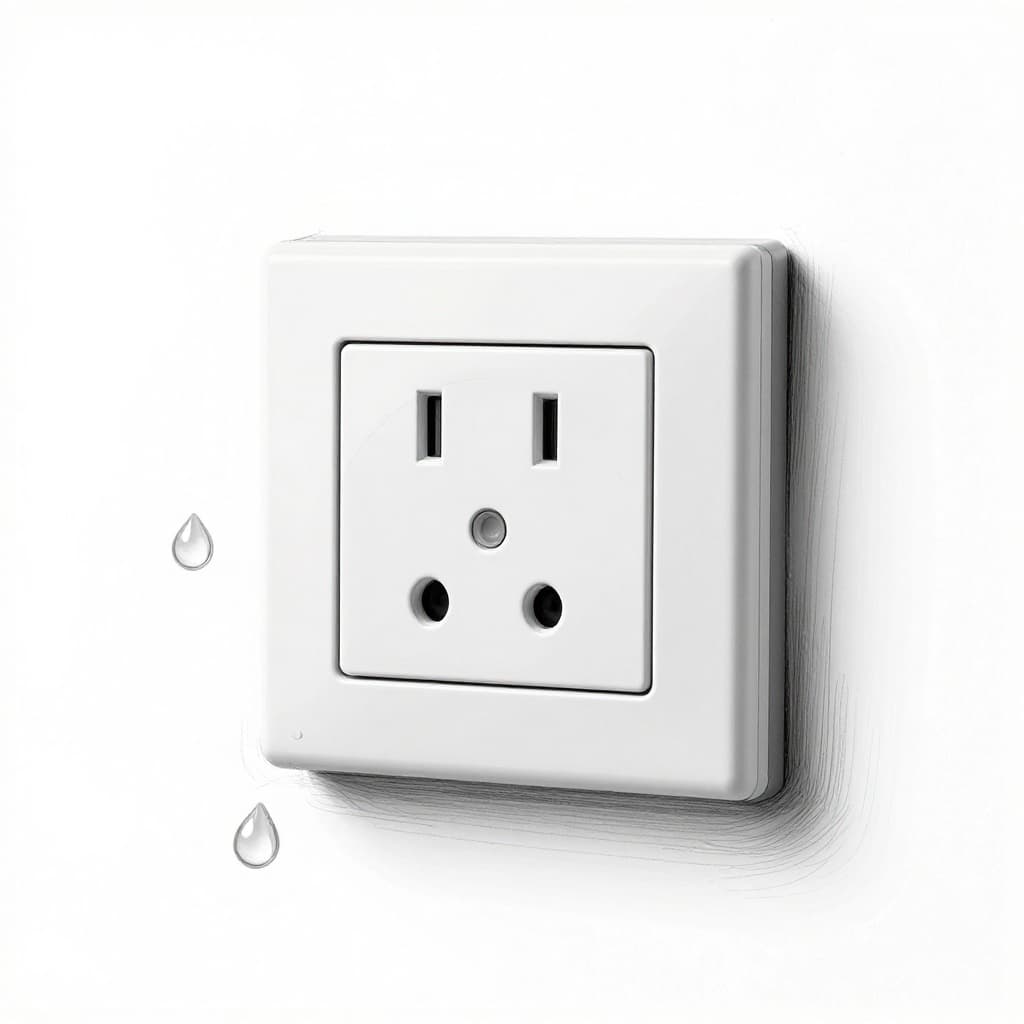
Insulation and grounding add layers. Check outlets monthly. Test GFCI buttons; they click to prove work.
Arc labels now mark panels per new code. This warns pros of risks.
GFCIs Explained: Your Guard Against Water-Related Shocks
Water conducts electricity. Sink splashes hot wire? GFCI senses the leak to ground.
Press test; power cuts. Reset restores. Replace every 10 years. They save lives daily.
2026 Home Electricity Trends: Solar, EVs, and Smarter Systems
Solar panels top roofs now. They feed panels during sun. Batteries store extra for nights. Home installs dip 33 percent this year from lost tax credits, but batteries pair up more.
EVs charge in garages. Level 2 uses 240 volts. NEC mandates GFCIs there. Rebates cover 85 percent of US; check EV charger rebate trends for 2026.
Smart panels balance loads. Apps predict use from weather or habits.
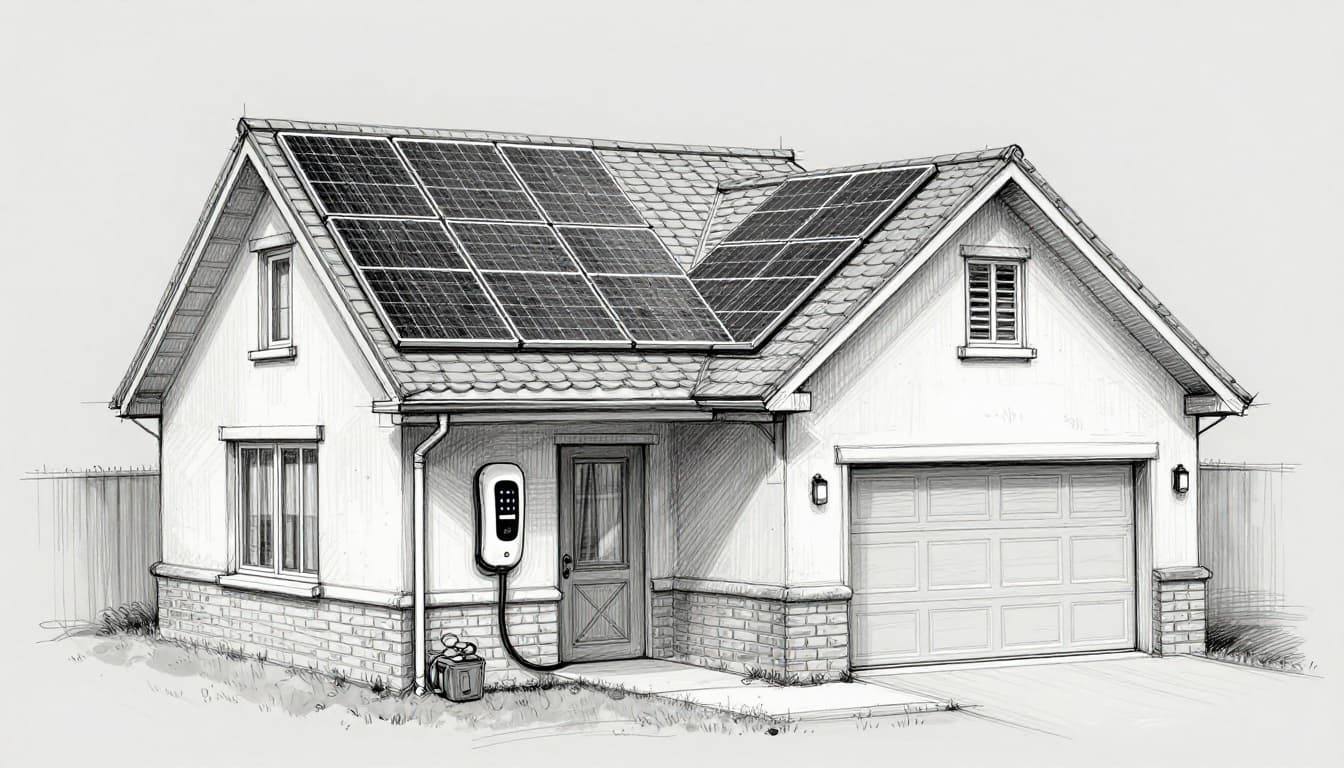
Grid upgrades handle EV boom and AI data centers.
Adding Solar or an EV Charger: What Homeowners Should Know
Hire licensed pros. Incentives vary by state; federal ones fade. NEC compliance avoids fines.
Upgrade panels first for big loads. Batteries beat blackouts and weak grid paybacks.
Electricity flows from plants to your plugs via smart steps and guards. You control it with simple habits. Check your panel label and test GFCIs today.
Upgrade for solar or EVs? Talk to a local electrician. Share what surprised you below. Understanding this powers smarter choices.