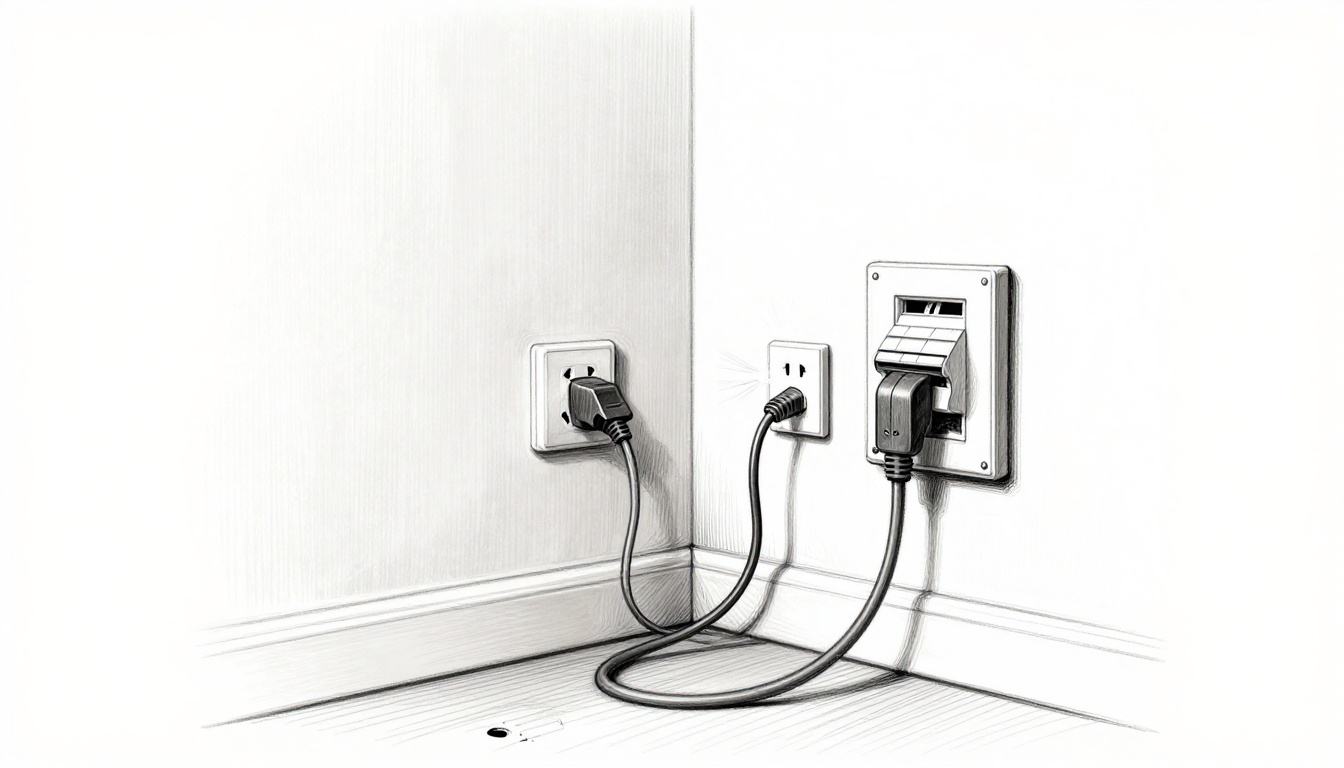
Did you know electrical problems spark about 51,000 home fires each year in the US? These fires cause nearly 500 deaths, over 1,400 injuries, and $1.3 billion in damage. Many homes built before 1990 face higher risks because of aging systems.
You plug in chargers, lights, and appliances every day without a second thought. Yet common electrical hazards at home like overloaded circuits, outdated wiring, missing GFCIs, power surges, and neglected panels hide in plain sight. They lead to shocks, fires, and ruined gadgets. Spotting them early stops disasters.
This guide shows you simple checks and fixes. You’ll learn warning signs and safe steps. Let’s keep your home safe, starting with overloaded outlets.
Overloaded Circuits and Outlets: Too Many Plugs Cause Big Problems
You cram plugs into one outlet for convenience. Space heaters, TVs, and chargers draw too much power. Wires overheat fast. That heat builds until insulation melts and sparks fly.
One family learned this the hard way during holidays. They daisy-chained extension cords for lights and a tree. The living room caught fire from the overload. Firefighters contained it, but smoke damaged everything. Overloaded circuits cause thousands of fires yearly, per NFPA data.
Heavy appliances share circuits in older homes. Kitchens overload with toasters and microwaves. Living rooms struggle with heaters and electronics. Circuits max out at 15 or 20 amps. Exceed that, and breakers trip or wires fail.
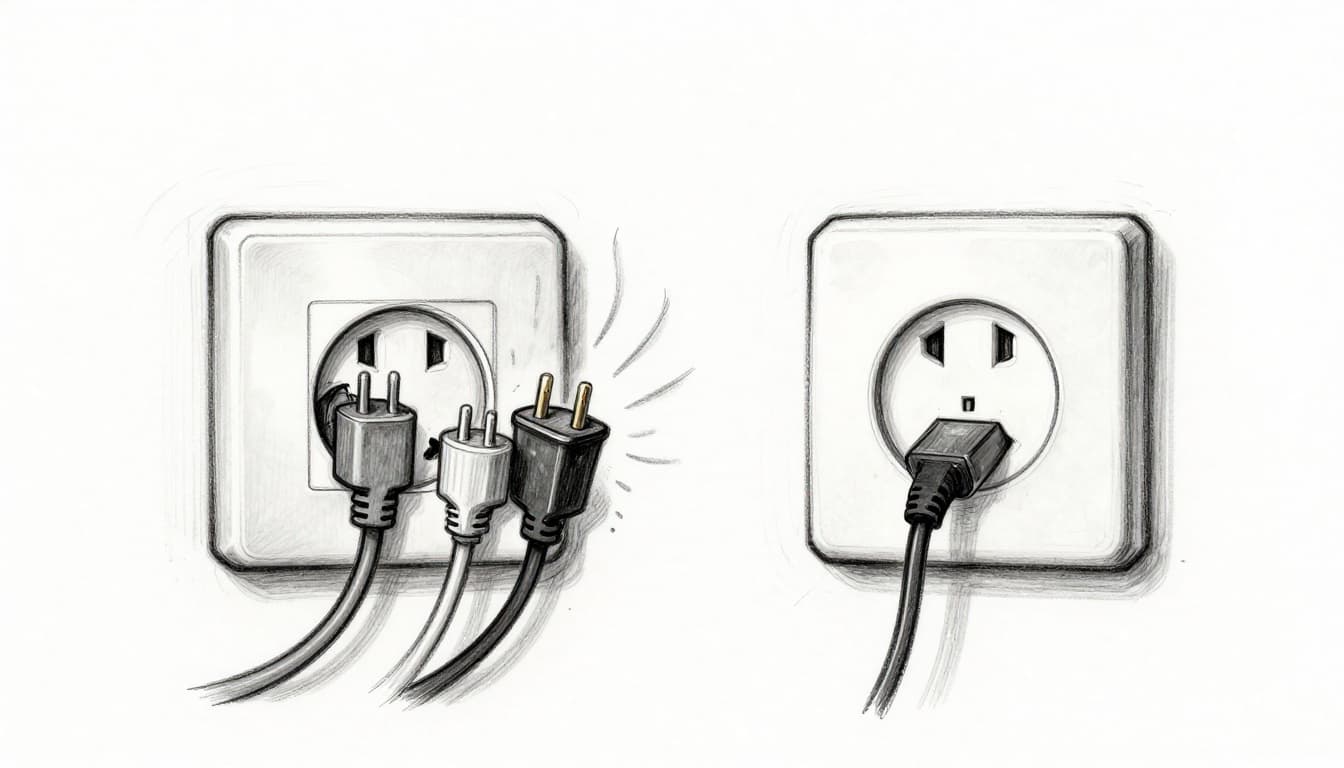
Spread loads across outlets. Unplug items you don’t use. One high-draw device per circuit works best.
Spotting the Warning Signs Early
Feel your outlets. Warm or hot ones signal overload. Touch after unplugging; they shouldn’t stay hot.
Listen for buzzing. That means arcing inside. A burning smell points to melting plastic. Flickering lights dim when you add plugs.
Breakers trip often? Reset once, then check plugs. Frequent trips mean too much draw.
Buy an outlet tester at any hardware store. It plugs in and lights up problems. Use it monthly.
Easy Fixes You Can Do Today
Count plugs per outlet. Limit to two low-draw items.
Move heaters or vacuums to other rooms. They pull 1,500 watts or more.
Quality power strips help, but skip them for heavy use. They daisy-chain risks.
Breakers trip again? Call an electrician. DIY fixes won’t cut it then. Check NFPA’s electrical home fire safety tips for more.
Outdated Wiring and Faulty Outlets: Risks in Older Homes
Older homes hide dangers in walls. Aluminum wiring from the 1960s and 1970s corrodes over time. It connects poorly and arcs. Knob-and-tube systems before 1950 lack grounds. They can’t handle modern loads.
Settling houses loosen connections. Plugs spark when you insert them. Scorch marks appear around outlets. One spark ignites nearby fabrics.
Two-prong outlets skip grounds. They shock users. Fires start from loose wires overheating.
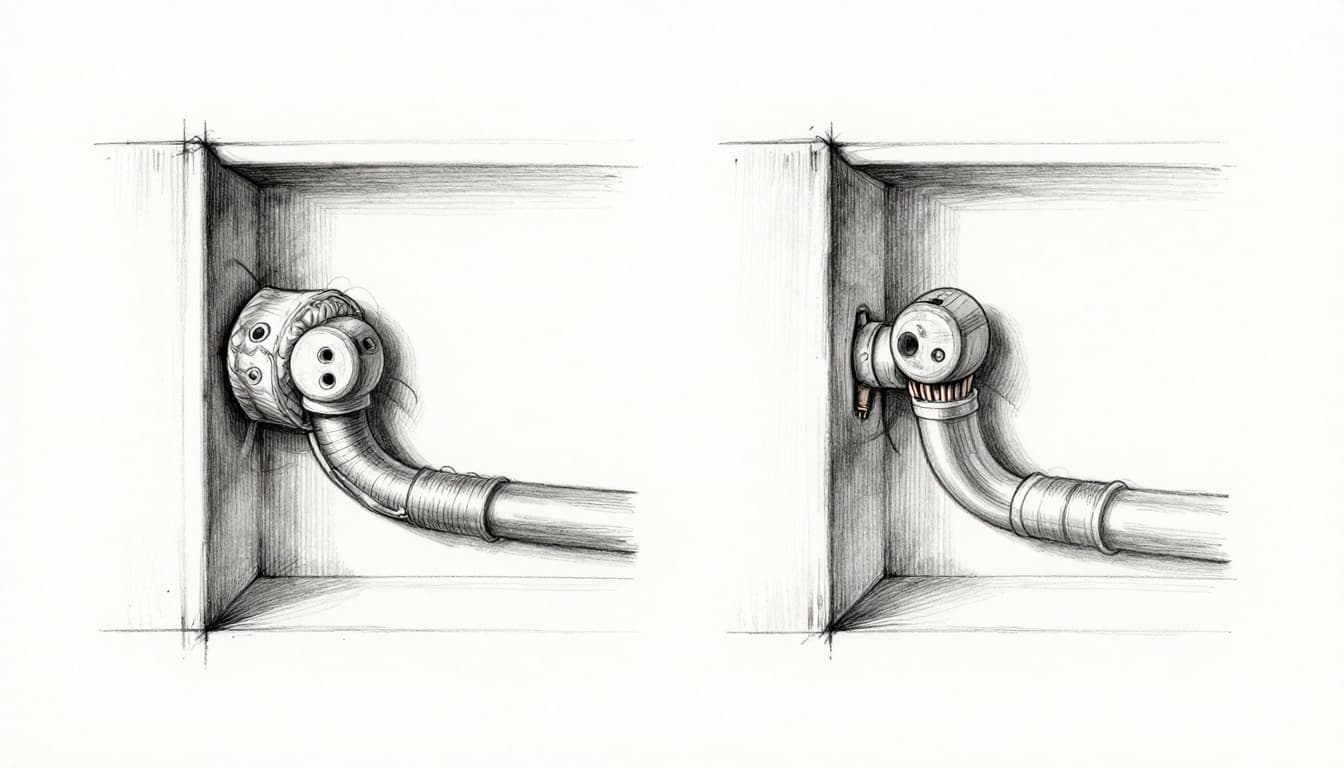
Upgrade to grounded outlets. Inspect wiring during remodels.
Common Types of Old Wiring to Check For
Knob-and-tube uses cloth-covered wires on porcelain knobs. It dries out and cracks. No ground wire means shock risks.
Aluminum wiring oxidizes at connections. It expands and contracts differently than screws. That causes fires.
Peek at outlets or switches. Cloth insulation or silver wires signal trouble. Don’t tear walls; pros use tools.
When to Call in a Professional
Sparks fly often? No ground prong? Get help now.
Insurance might demand upgrades. Rewire a room costs $1,500 to $4,000. Full homes run higher.
Frequent issues waste money long-term. Schedule an inspection soon.
Missing or Faulty GFCIs: Shock Dangers in Kitchens and Baths
GFCIs save lives in wet spots. They detect leaks to ground and cut power in milliseconds. Without them, water conducts shocks.
Kitchens and baths need them most. Puddles near outlets electrocute fast. Old GFCIs fail to trip. Test yours monthly.
One slip in a shower with a dropped hairdryer proves deadly. GFCIs prevent that.
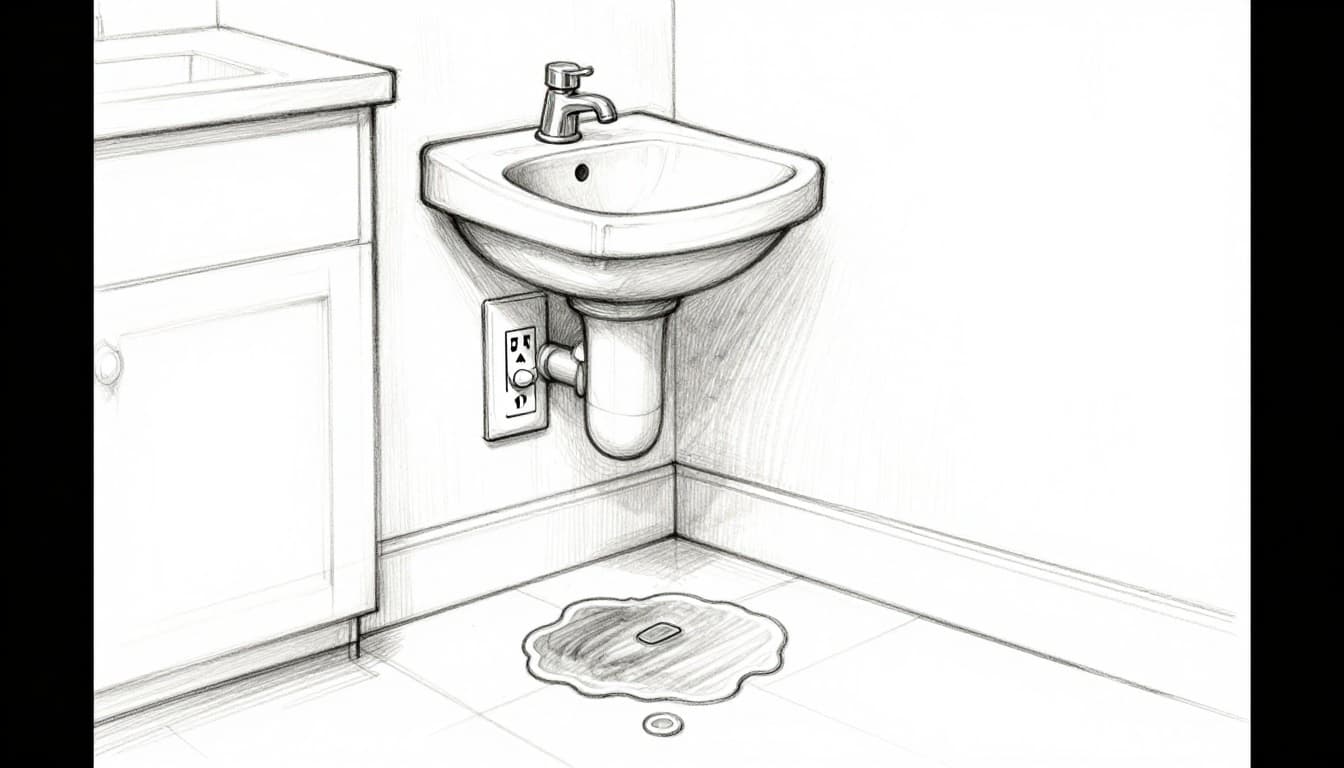
Install where code requires. Press test and reset buttons. They click if working.
Where GFCIs Are a Must-Have
Place them within 6 feet of sinks. Outdoors, garages, and basements too.
Code now covers more spots like laundry areas. Check local rules at sites like this GFCI requirements guide.
Power Surges: Protecting Gadgets from Sudden Electrical Spikes
Surges spike voltage briefly. Lightning causes some, but most come from inside. Fridges or AC units start up and pull big amps.
Your TV dies when the compressor kicks on. Clocks blink reset. Small surges wear electronics over time.
Whole-home protectors at the panel absorb spikes. They guard everything downstream.
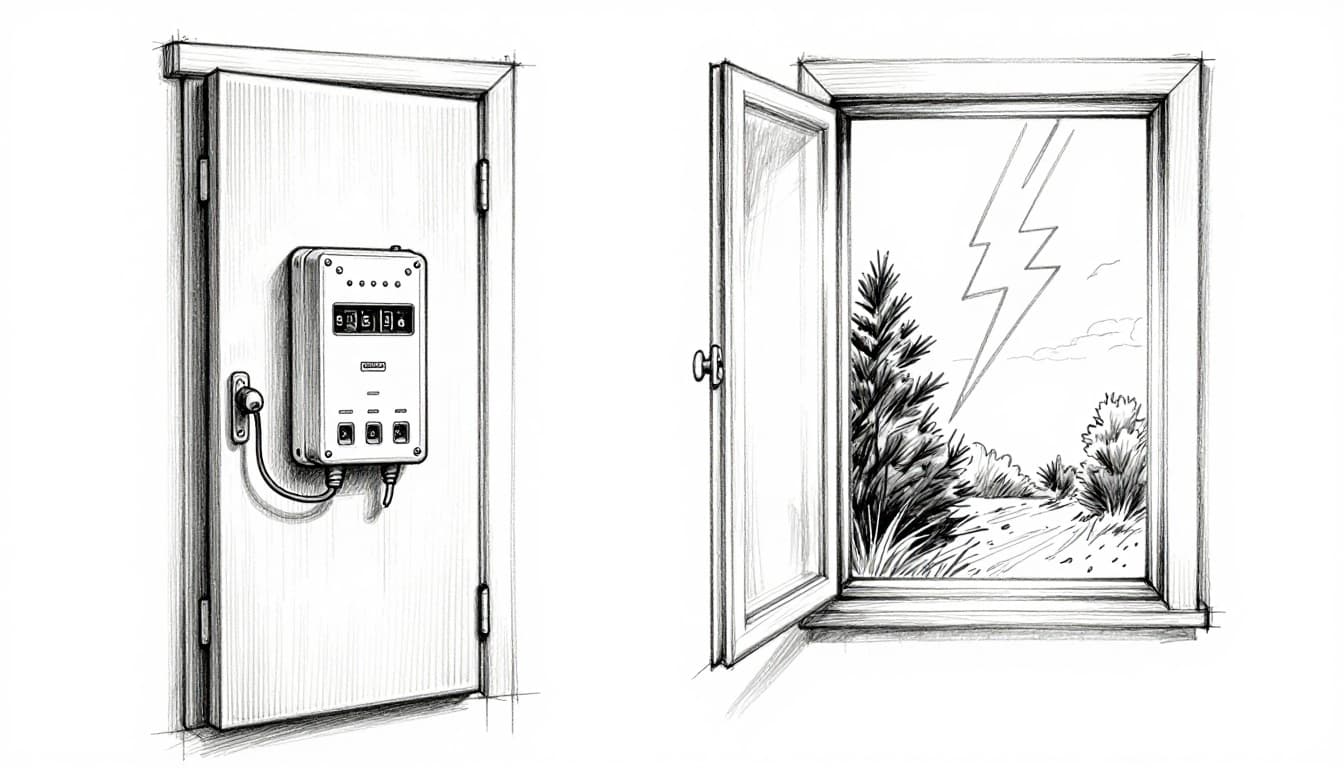
Cheap strips fail big appliances. Invest in rated ones.
Sources of Surges You Might Not Expect
Internal motors in washers create most. Grid switches add others.
Trees hit by storms send external jolts. Layer protection for best results.
Obstructed or Old Electrical Panels: Keep Access Clear for Safety
Your panel controls all power. Old ones like Federal Pacific fail to trip. They let fires grow.
Clutter blocks quick shutoff in emergencies. Boxes stack up in basements.
Rusty doors or missing labels signal neglect. Keep 3 feet clear around it.
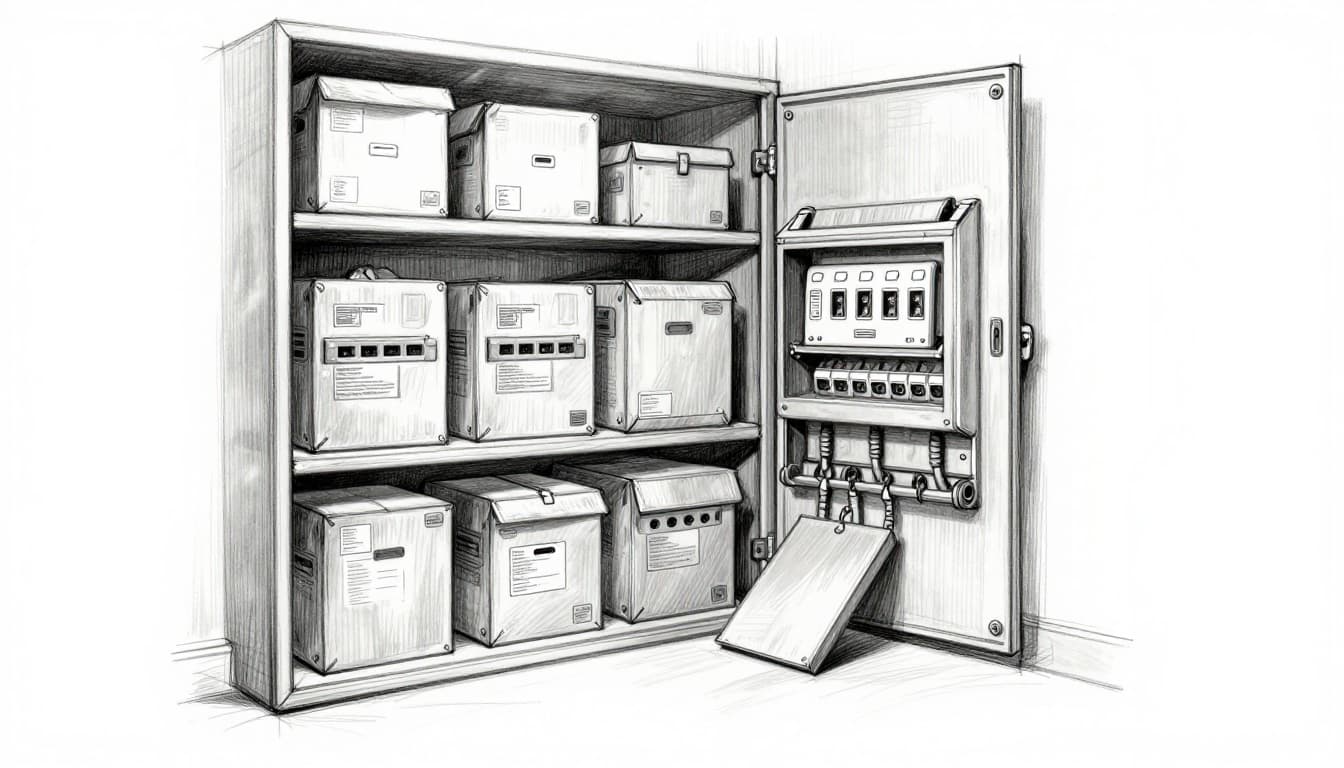
Inspect yearly. Upgrade panels over 30 years old.
Signs Your Panel Needs Attention
Breakers trip without reason. No circuit labels confuse you.
Age matters. Pros spot fuse boxes needing replacement.
Panels overheat from poor design. Act before failures hit.
Overloaded circuits, old wiring, missing GFCIs, surges, and blocked panels top the list. They cause most home electrical fires and shocks. Check outlets for heat, test GFCIs, and clear panel space today.
Walk your home now. Feel plugs, press test buttons, and note issues. Older places need pro eyes most.
Schedule an electrician visit. Small steps like these prevent electrical hazards at home. Share your safety check story in the comments. Stay safe.