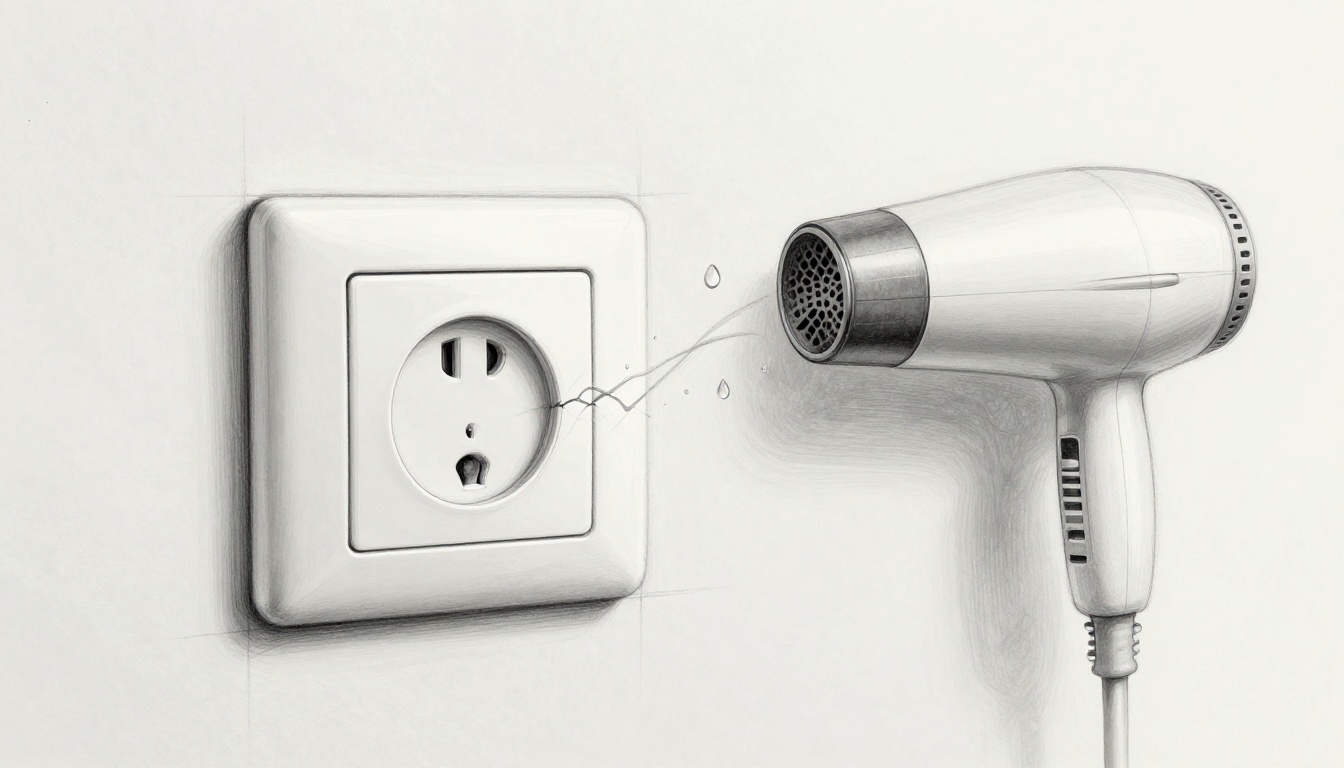
Picture this. You reach for a hair dryer near a bathroom sink. Water splashes onto the outlet. Suddenly, a jolt hits you. That tiny leak of electricity, just 4 to 6 milliamps, can stop your heart or cause severe injury. Yet Ground Fault Circuit Interrupters (GFCIs) spot these dangers and cut power in milliseconds.
These devices save lives every day. Since the 1970s, GFCIs have slashed US electrocution deaths by over 75%, dropping from nearly 800 a year to under 200 now. Still, over 400 shocks happen annually, and experts say 47% could vanish with proper GFCI use. They shine in wet spots where risks run high.
In this post, you’ll learn exactly what GFCIs do. We’ll cover their inner workings, types for your home, differences from AFCIs, code rules, testing steps, and top myths. You owe it to your family to understand them. Let’s start with the basics.
What Is a Ground Fault Circuit Interrupter?
A Ground Fault Circuit Interrupter, or GFCI, acts as a safety guard for your electrical circuits. It watches for ground faults. That’s when current leaks from the hot wire to ground through water, a person, or damp surfaces instead of returning safely on the neutral wire.
Think of electricity like water in a hose. Normally, it flows out and back evenly. A ground fault creates an imbalance. The hot wire sends out current, but not all returns. Even a small mismatch spells trouble. GFCIs detect this fast and shut everything down.
They prevent shocks and electrocution. Regular circuit breakers handle overloads or shorts. GFCIs focus on leaks that could zap you. The National Electrical Code requires them in risky spots. You’ll find them in bathrooms, kitchens, garages, outdoors, and near pools.
Key facts stand out:
- They trip at 4 to 6 milliamps, far below what hurts humans.
- GFCI outlets look like standard ones but have test and reset buttons.
- They protect anything plugged downstream on the circuit.
Standard breakers ignore these tiny imbalances. GFCIs catch what others miss. For details on code basics, check NEC requirements for GFCIs.
Homeowners often overlook them until trouble strikes. Newer homes have them built-in. Older ones, especially pre-1976 builds, need upgrades. Half of US homes fall into that group. Installing GFCIs brings peace of mind. They cost little but deliver big protection.
How Does a GFCI Detect and Stop Dangers?
GFCIs work like a vigilant watchdog. They constantly compare current on the hot wire to the neutral. Equal flow means all clear. Any difference triggers action.
A sensor coil wraps around both wires. It measures the flows. Normally, currents cancel out. A leak to ground upsets that balance. The GFCI senses it right away.
Spotting the Tiny Current Imbalance
Current transformers do the heavy lifting. They monitor hot versus neutral precisely. Imagine touching a live wire while standing on a wet floor. Current flows through you to ground. That’s 5 milliamps gone missing.
Regular breakers need hundreds of milliamps to trip. GFCIs react to whispers of imbalance. They ignore normal loads. For example, your toaster draws even current. No leak, no problem.
This sensitivity saves lives in real scenarios. A dropped hair dryer in the tub. Power tool near a puddle. The imbalance hits, and protection kicks in.
The Ultra-Fast Shutdown That Protects You
Speed matters most. GFCIs trip in 25 milliseconds or less. That’s one-fortieth of a second. Your nerves take 100 to 500 milliseconds to react. By then, harm strikes.
When it trips, a solenoid springs open. It cuts the circuit. Lights flicker out. Plugged devices go dead. Power stays off until you reset.
Reset buttons bring it back. Test buttons simulate a fault. Press test, and it should click off. This confirms readiness. After a trip, check for real faults first. Wet plugs or damaged cords often cause issues.
GFCIs reset electronically now. Older models used mechanical parts. Modern ones last longer. Still, they wear with time. Monthly checks keep them sharp.
Types of GFCIs to Fit Your Needs
You have options based on your setup. Three main types cover homes, tools, and circuits. Each suits specific spots.
Receptacle GFCIs go in walls. Breaker types protect whole lines. Portables plug in anywhere. Combo units add arc protection too.
Pick wisely. Match to your risks.
Wall Receptacle GFCIs for Everyday Home Use
These replace standard outlets. They have test and reset buttons. One unit protects itself and downstream outlets.
Install them in bathrooms or kitchens. They shield corded devices like lamps or chargers. Easy swap for DIYers, but turn off power first.
Pros: Affordable, simple. Cons: Only one circuit. They tamper-resistant versions meet codes.
Circuit Breaker GFCIs for Full Circuit Safety
These install in your panel. They replace standard breakers. One protects the entire branch circuit.
Great for garages or outdoors. No need to swap every outlet. Electricians handle panel work safely.
Pros: Covers everything downstream. Cons: Pricier, pro install needed.
Portable GFCIs for Outdoor Tools and Jobsites
Plug these into any outlet. Then plug tools into them. Perfect for lawnmowers or holiday lights.
Test before each use. They suit temporary needs, not permanent wiring.
Pros: Mobile, no rewiring. Cons: Bulkier, forgotten tests.
Consult an electrician for permanent installs. Combo GFCI/AFCI breakers handle both shocks and arcs.
GFCI vs. AFCI: Understand the Key Differences
People mix them up often. GFCIs fight shocks from ground faults. AFCIs stop fires from arc faults. Both protect, but differently.
GFCIs watch current balance. AFCIs listen for arc “noise” like loose wires sparking.
Here’s a quick comparison:
| Feature | GFCI | AFCI |
|---|---|---|
| Main Threat | Shocks (wet areas) | Fires (arcs in walls) |
| Detection | Current imbalance (4-6 mA) | Arc signatures (noisy signals) |
| Common Locations | Bathrooms, kitchens, outdoors | Bedrooms, living rooms |
| Trip Speed | 25 ms | Varies, focuses on patterns |
Both matter. Codes require them in overlapping spots sometimes. For a clear breakdown, see AFCI and GFCI explained.
Dual units combine powers. They cover more bases.
Where GFCIs Are Required and How to Install Them
The 2026 NEC spells it out. All 125- to 250-volt receptacles need GFCI in key home areas. These include bathrooms, kitchens with sinks, garages, accessory buildings, outdoors, laundry rooms, basements, and crawlspaces.
New tweaks clarify garages separately. Outdoor HVAC units get GFCI after September 1, 2026. Use high-frequency types for inverters to dodge false trips. Check local codes; they adopt NEC variably.
Replacements must upgrade to GFCI if required. No downgrades allowed.
Installation basics: Hire an electrician for panels or complex jobs. For outlets, turn off the breaker. Swap the receptacle. Wire hot to brass, neutral to silver, ground to green. Label “GFCI protected.”
Benefits shine near water. They prevent most shocks there. For 2026 updates, review NFPA’s key NEC changes.
Simple Steps to Test Your GFCI Every Month
Testing takes seconds. Do it monthly for fixed units, before use for portables. They degrade from surges or age.
Follow these steps:
- Plug in a lamp or tester. Confirm it works.
- Press the test button. You hear a click. Power cuts; lamp goes out.
- Press reset. Lamp turns back on.
If no click or reset fails, replace it. Faulty GFCIs look fine but fail to protect.
Detailed guides help, like this step-by-step GFCI test. Safety first. It beats a hospital trip.
Busting the Most Common GFCI Myths
Myth one: GFCIs prevent overloads. Nope. Breakers do that. GFCIs ignore high draws.
Myth two: They’re the same as AFCIs. Wrong. Shocks versus arcs, as we covered.
Myth three: They last forever, no tests needed. Actually, they wear out. Monthly checks catch failures.
Myth four: Too sensitive, always tripping. Modern ones handle loads better. Faults cause most trips; dry things first.
Facts back this. GFCIs dropped bathroom shocks 80%. Test them. Myths cost lives.
Ready to Protect Your Home?
GFCIs detect ground faults in a flash and cut power. They slash shock risks dramatically.
Check your outlets today. Test monthly. Call an electrician for upgrades or doubts. In March 2026, NEC rules hold steady, but verify locals.
Your family’s safety hinges on these devices. Share your GFCI stories below. What’s one spot you upgraded? Peace of mind starts now.