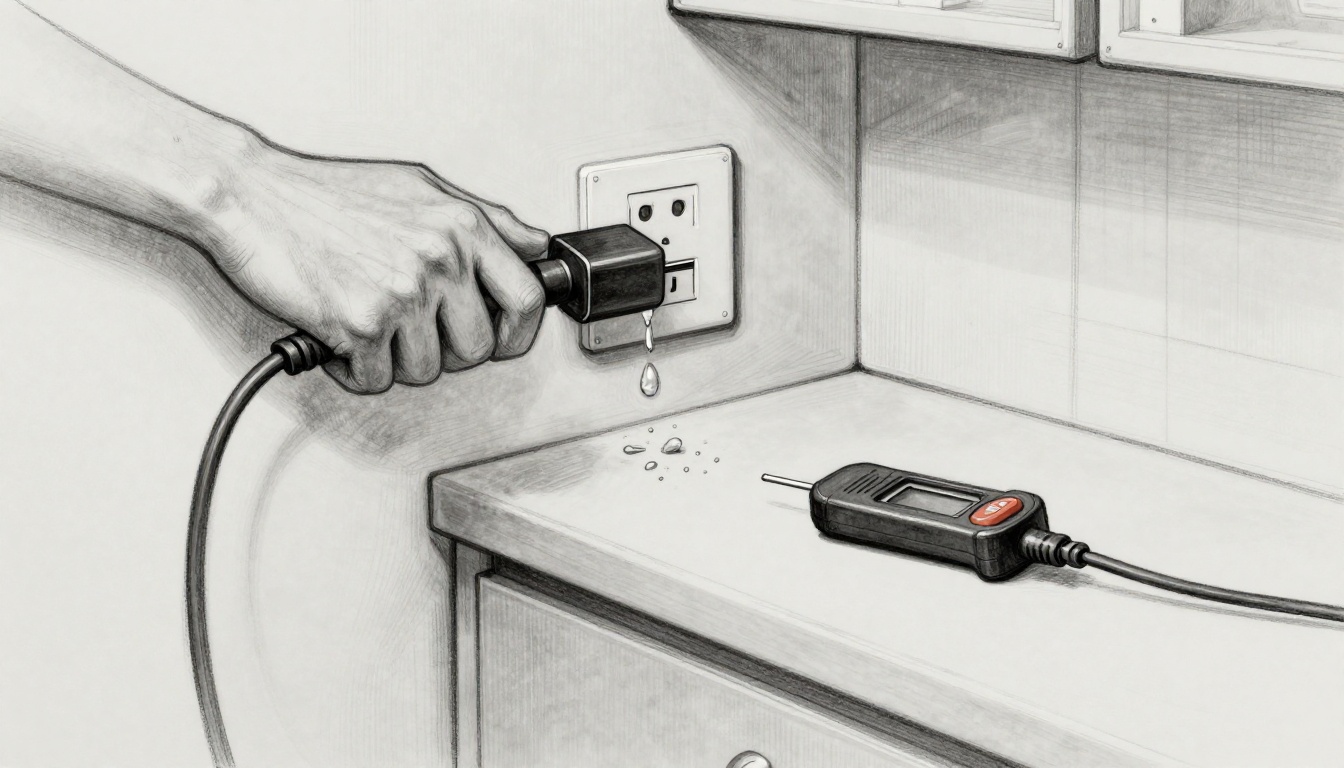
Every year, electrical problems spark over 51,000 home fires in the US. These fires kill nearly 500 people and injure more than 1,400 others. They also cause about $1.3 billion in damage. Most shocks and fires happen right where you live, in spots like bathrooms and kitchens.
You flip a switch or plug in a charger without a second thought. Yet water near outlets or frayed cords turns routine tasks deadly. Simple fixes cut these dangers fast. You can spot hidden risks, add safety devices, form smart habits, and handle emergencies right.
This guide shows you how to reduce risk of electric shock at home. Follow these steps, and your family stays safer. Let’s start by finding those sneaky threats.
Spot the Sneaky Dangers Lurking in Your Home
Hidden electrical issues wait in plain sight. Faulty wiring starts 28,000 home fires each year. Outlets and receptacles cause 5,300 more fires, plus 40 deaths. Old homes often hide these problems because wiring ages and overloads build up.
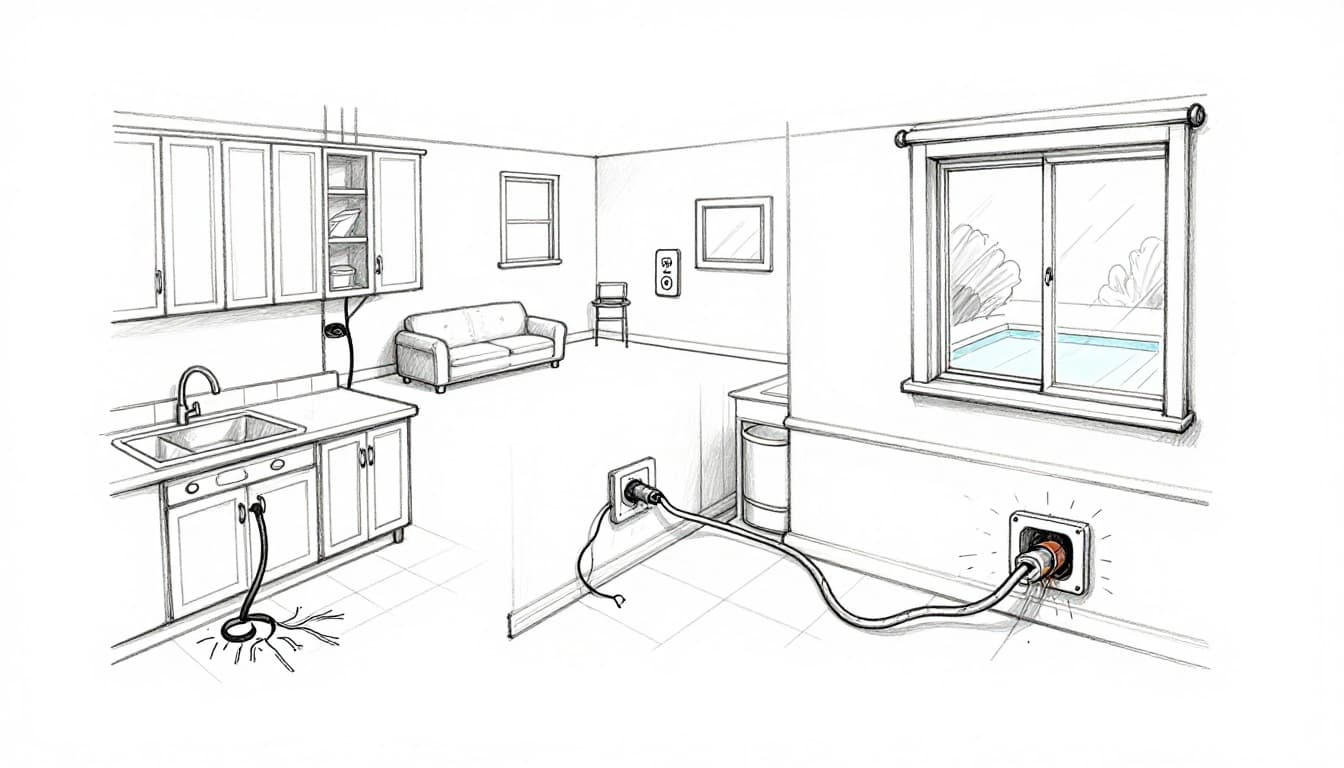
Check your outlets for cracks or scorch marks. Look at cords for frays, especially near water. Pools and tubs amplify risks since water conducts electricity. Spot these early, and you act before trouble strikes.
Shocking Stats That Will Make You Pay Attention
Electrical failures kill hundreds and hurt thousands yearly. Home fires from these issues claim nearly 500 lives. They injure over 1,400 people too. In addition, 65% of fire deaths occur in homes without working smoke alarms.
Bathrooms see big risks because water mixes with power. Kitchens overload from appliances. Pools add summer dangers with faulty pumps or lights. These numbers come from groups like NFPA. For more home fire facts, check NFPA’s electrical safety page.
Awareness saves lives. You spot patterns now and fix them quick.
Top Causes Behind Home Electrocutions
Faulty wiring tops the list. It sparks arcing faults that ignite 28,000 fires. Water near appliances boosts shocks because it completes circuits. Damaged cords expose live wires.
Overloaded circuits heat up outlets. They cause 5,300 fires yearly. Consumer products like hair dryers lead to mishaps near sinks. Pools suffer from bad equipment bonds.
For example, a frayed extension cord in the garage touches water. It shocks anyone nearby. Real homes face these daily. Inspect often, and risks drop.
Install These Game-Changing Devices for Instant Protection
Safety devices shut off power before shocks or fires start. Ground-fault circuit interrupters, or GFCIs, work in wet areas. Arc-fault circuit interrupters, or AFCIs, catch sparks that standard breakers miss. Codes now require them in most rooms.
Pros install these right. They meet National Electrical Code rules from NFPA. Smoke detectors add another layer on every level. These tools prevent thousands of incidents each year.
Why GFCIs and AFCIs Are Your Home’s Best Friends
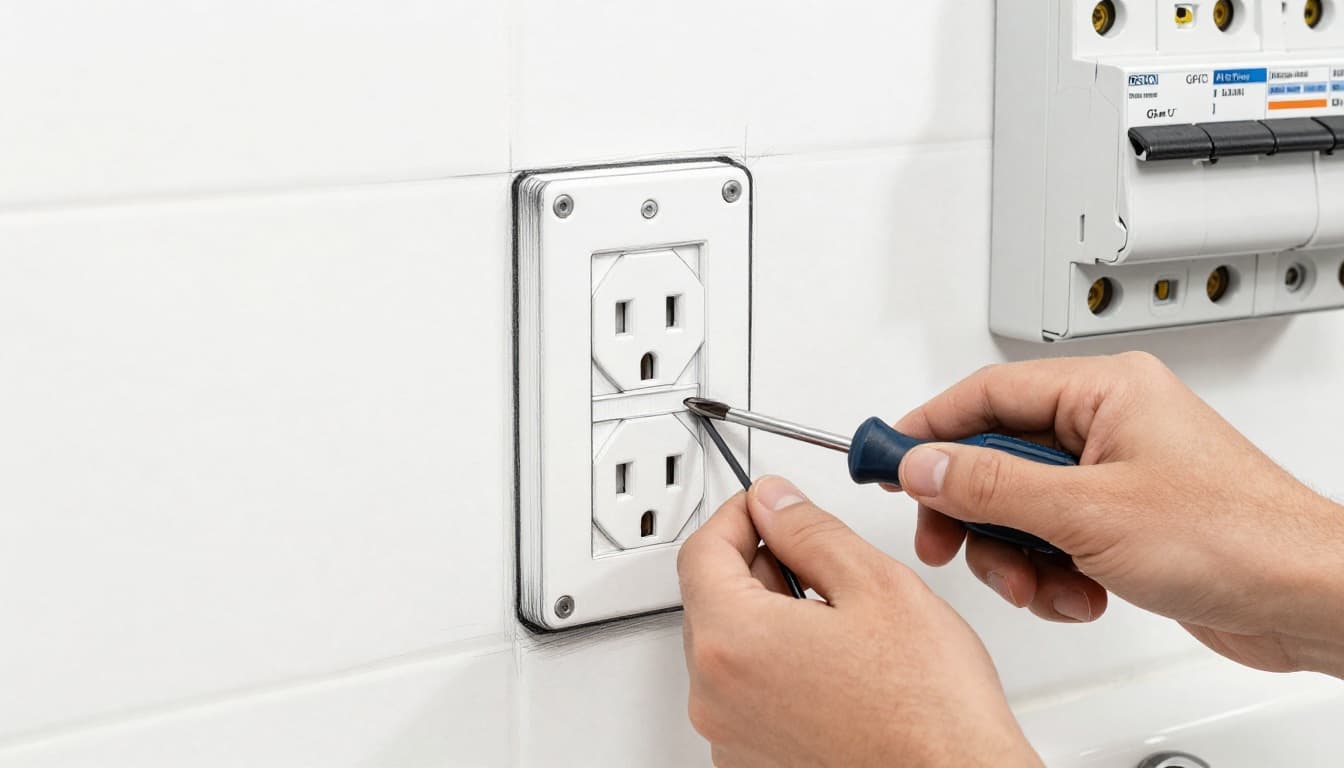
GFCIs sense ground faults fast. They cut power in milliseconds if water hits circuits. Put them in bathrooms, kitchens, garages, and outdoors. They save lives near tubs or pools.
AFCIs detect dangerous arcs from loose wires. Standard breakers ignore these. Install them in bedrooms, living rooms, and attics. Dual-function types cover both needs in one.
NFPA guidelines push these everywhere damp or arc-prone. Learn more about arc-fault and ground-fault protection. Test monthly by pushing the button. They click off then back on.
Get Your Wiring Checked by a Pro Today
Old wiring overloads easily. It starts fires or shocks. Hire a licensed electrician for a full inspection. They find knob-and-tube systems or aluminum wires from decades ago.
Inspections spot overloads too. Your panel might need upgrades for modern loads. Pros ensure GFCIs and AFCIs fit codes. After that, your home runs safer.
Schedule one soon. Faulty setups cause most electrical woes.
Build Safe Habits That Keep Shocks Away Every Day
Daily choices matter most. Keep appliances far from water. Unplug chargers when not in use. These steps cost nothing but prevent big problems.
Replace frayed cords right away. Match devices to outlet amps. Use one power strip per circuit, never daisy-chain them. Kids learn these rules early.
Bathroom and Kitchen Rules to Live By
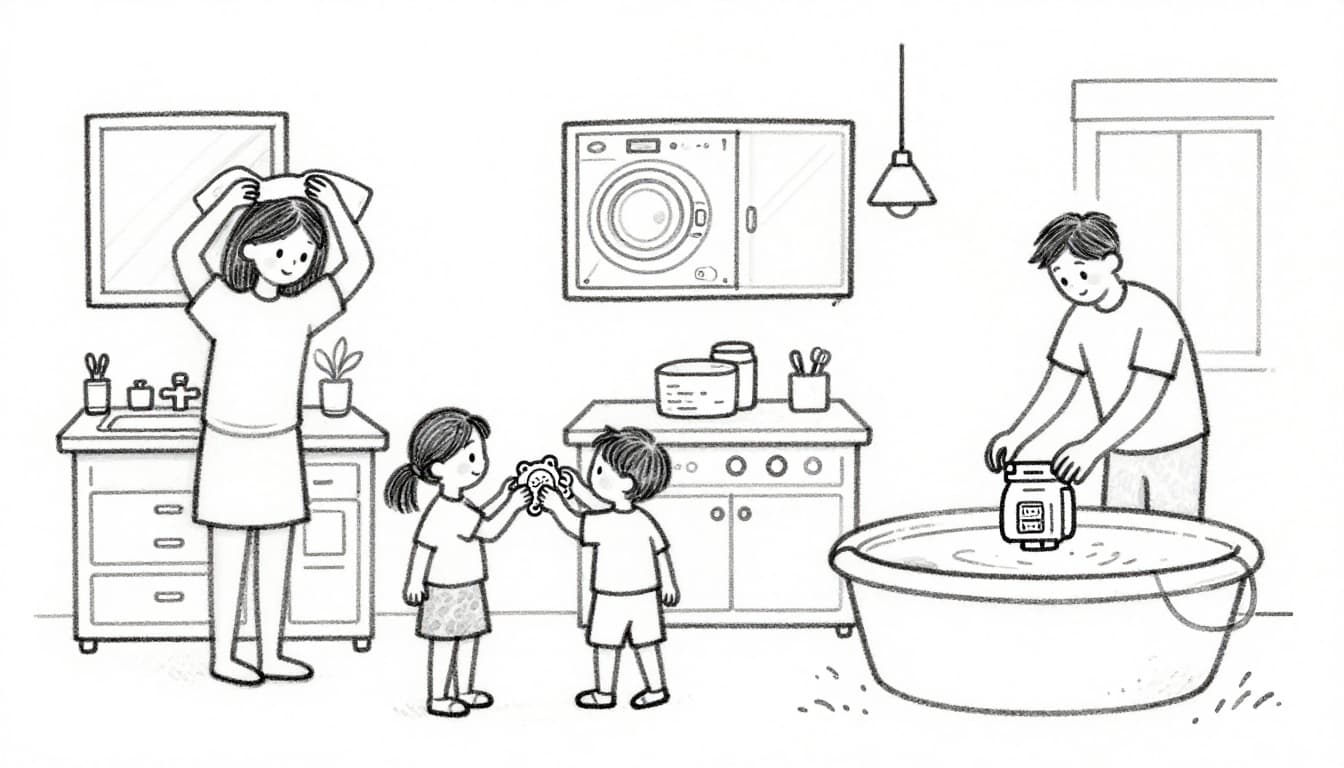
Skip electrics in showers or tubs. Dry your hands before plugs. Install GFCIs at every outlet near sinks.
Hair dryers cause many shocks near water. Set them on counters away from edges. In kitchens, wipe spills before plugging in mixers. These spots see heavy use, so stay vigilant.
Outdoor and Pool Smarts for Summer Safety
Keep ladders from power lines. Fix pool lights and pumps with pros. GFCIs protect underwater gear.
Water conducts shocks far in pools. Test GFCIs before swims. For pool tips, see NFPA’s summer safety advice. Dry off before handling cords outside.
Cord Care and Outlet Overload Fixes
Inspect cords monthly for cuts. Unplug unused items to cut fire odds. Choose heavy-duty strips with surge protection.
Big appliances need dedicated circuits. Fans or heaters overload shared ones. Label strips so everyone knows limits.
Know Exactly What to Do in an Electrical Emergency
Shocks happen fast. Act smart to save lives. First, cut power at the breaker. Never touch the person if wires connect them to power.
Call 911 right away. Check breathing and pulse. Start CPR if needed, but only after power’s off.
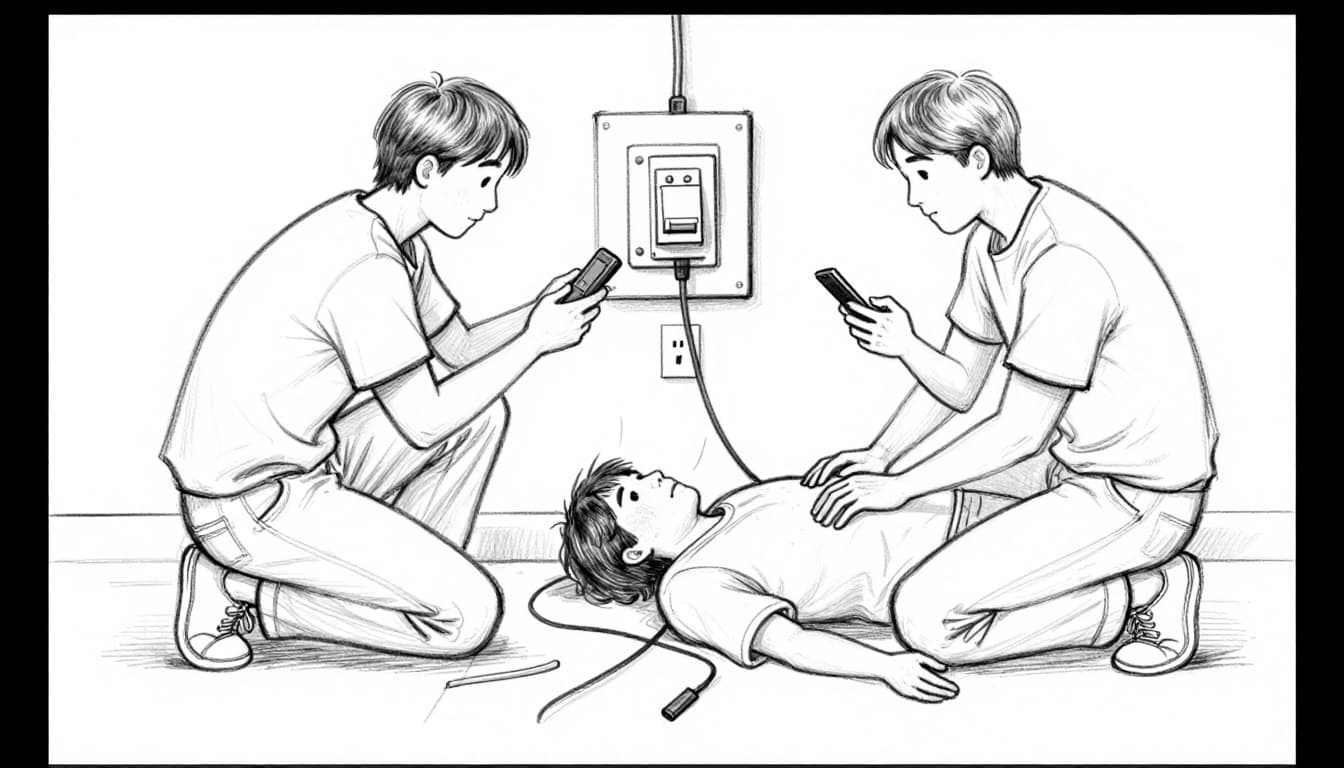
Do not move the victim while energized. That spreads the shock. For detailed steps, follow Mayo Clinic’s first aid guide.
Burns or confusion mean urgent care. Quick steps make the difference.
Spot risks like bad wiring or wet outlets. Add GFCIs and AFCIs for backup. Build habits that keep water away from power. Know emergency moves too.
Most accidents prevent easy. Your safe home starts today. Schedule that inspection. Check your outlets now. Share these tips with family. What habit will you change first? Drop a comment below.