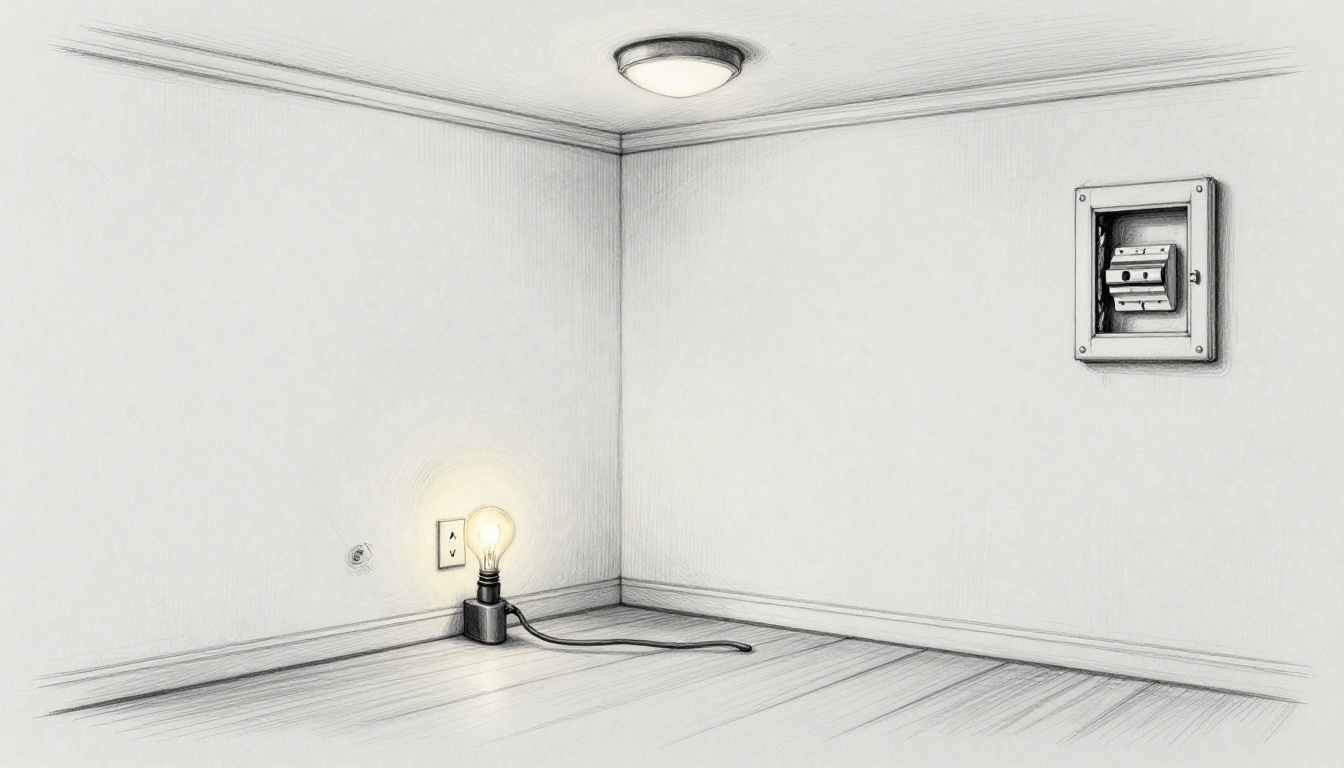
Electrical issues spark thousands of home fires each year. In 2023 alone, they caused 6.9% of residential building fires, according to NFPA data. These problems often start small but can lead to shocks, outages, or worse.
You rely on your home’s wiring every day for lights, appliances, and chargers. Spotting warning signs of electrical problems early saves money, prevents disasters, and protects your family. We’ll cover visual clues, strange sounds and smells, hot spots with tripping breakers, and appliance oddities.
Pay close attention to these signals. They could mean trouble brewing in your walls.
Flickering Lights and Scorch Marks: Key Visual Red Flags
Your eyes catch many electrical warnings first. Lights that flicker or dim point to deeper issues. Scorch marks signal heat from bad connections.
These signs appear in everyday spots like kitchens or living rooms. They warn of overloads or loose wires. Ignore them, and fires become likely.
Check outlets and switches during cleaning. Look for changes over time. Always call a licensed electrician for fixes, not DIY attempts.
Why Lights Flicker or Dim Suddenly
Lights dim when you start the microwave or AC. This happens because circuits overload or connections loosen. High-draw appliances pull too much power.
Loose wires inside walls cause voltage drops. The result? Lights fade or blink. Fire risks rise from overheating.
Shocks lurk too if you touch switches during flickers. Turn off the appliance right away. Then call an electrician to trace the circuit.
Frequent events mean bigger problems. For example, in older homes, this signals worn systems struggling with modern loads.
Scorch Marks and Discolored Outlets
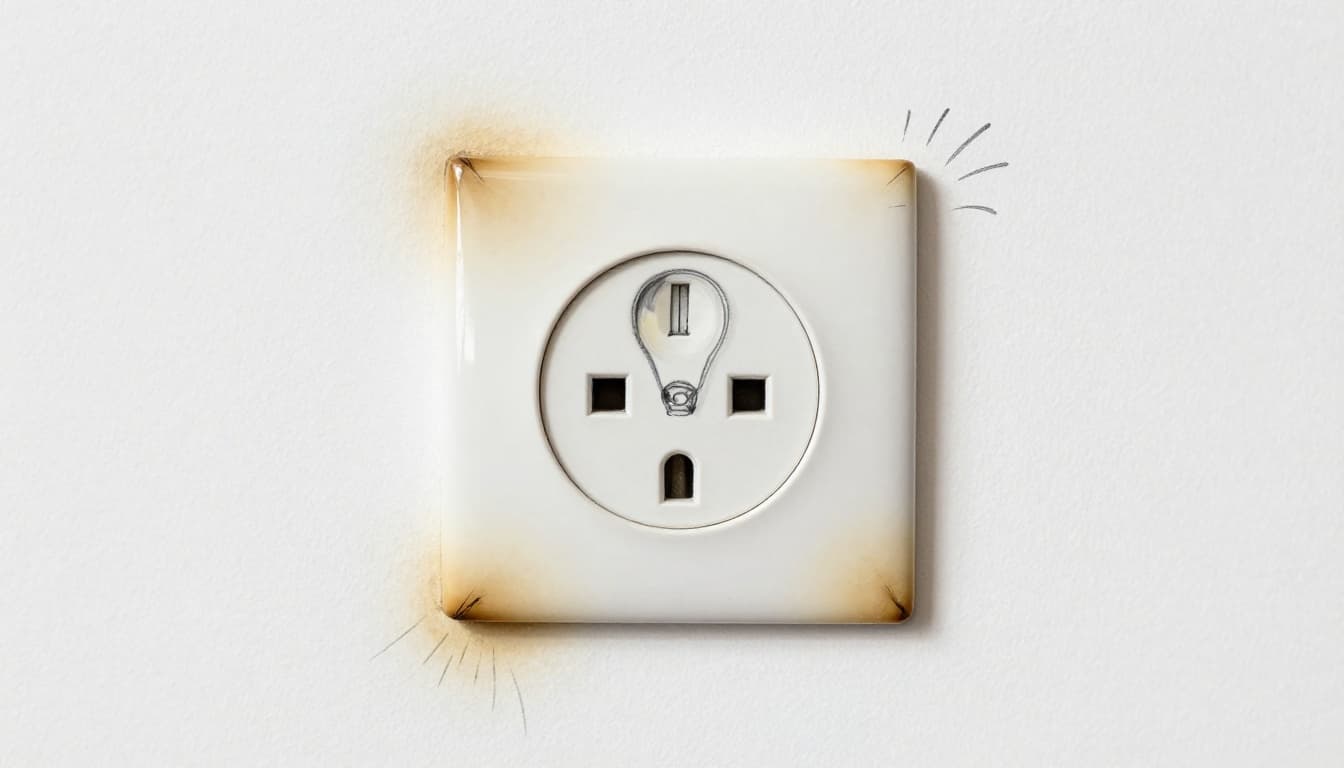
Black or yellow-brown spots around outlets scream danger. Arcing sparks from poor contacts create heat. That heat discolors plastic and paint.
You might see these near frequently used plugs. Panels in basements show them too. They build up fast and lead to fires.
Shut off power at the breaker if you spot this. Do not plug anything back in. Pros use tools to find the arc source.
One homeowner found spots after a near-miss fire. Quick action saved the house.
Outdated or Damaged Outlets and Wires
Two-prong outlets lack grounding, common in pre-1960 homes. They invite shocks during storms. Nicked wires behind plates expose copper.
Corroded plugs fray over time. In 2026, missing GFCI outlets near sinks raise alarms. EV chargers demand grounded, modern setups.
Inspect baseboards for chew marks from pets. Replace old outlets with tamper-resistant ones. Electricians handle upgrades safely.
For more on spotting these issues, check GharPedia’s guide to electrical warning signs.
Buzzing Noises and Burning Smells You Can’t Ignore
Ears and nose detect hidden threats. Buzzing means arcing inside walls. Burning odors point to melting insulation.
These sensory cues differ from normal fan hums. They grow louder or stronger over days. Act fast because fires follow close behind.
Distinguish them during quiet nights. Test outlets with a radio near plugs. Still, pros diagnose best.
That Annoying Buzz from Outlets or Lights
A low hum from bedroom outlets at night? Loose screws or overloaded lines cause it. Arcing creates tiny sparks and noise.
Fixtures buzz too from bad bulbs or wires. Panels in utility rooms hum loudest. This vibration heats components.
Sparks hide in walls, risking spread. It is not normal, even with many gadgets. Get an electrician to tighten connections.
One family heard buzzing before a trip. Inspection found loose neutrals.
Burning Odors Signaling Overheating Wires
Fishy or plastic smells near breakers mean insulation melts. Overloads cook wires slowly. This tops fire warnings.
No toast baking? Check panels or fixtures. Strong odors demand evacuation. Call firefighters or electricians immediately.
Breakers mask smells at first. But heat builds anyway. Fresh air clears minor whiffs; persistent ones need fixes.
Hot Spots, Tripping Breakers, and Appliance Failures
Touch reveals heat dangers. Warm outlets signal loose wires. Breakers trip from overloads on old systems.
Appliances fail on shared circuits. These issues compound in 2026 homes with smart devices and chargers. Upgrades prevent most woes.
Feel switches after use. Note patterns with specific plugs. Safety first over convenience.
Outlets or Switches That Feel Warm
Plug in a charger, and the outlet heats up. Bad contacts resist flow, creating warmth. Overloads add to it.
Touch feels like a hot coffee mug. Unplug everything fast. Fires start from ignored warmth.
Inspect all floors. Loose wire nuts inside cause most cases. Electricians rewire safely.
Breakers Tripping Too Often
Reset the breaker five times a week? Circuits handle only so much. Faulty breakers or ground faults trip them too.
Old 100-amp panels fail under AC and EVs. Stats show this in half of inspections. Spread loads or upgrade service.
Do not bypass with taped fuses. That invites fires.
For common wiring symptoms, see Coffin Electric’s overview.
Appliances Acting Up Unexpectedly
Fridge hums then stops. TV resets during shows. Shared circuits overload, causing surges.
Lights brighten when vacuums run. Surge protectors help short-term. Fix the root with circuit additions.
Modern homes need 200-amp panels. Pros assess your setup.
Why Act Fast on These Signs and Next Steps
Fires, shocks, and blackouts cost billions yearly. Early fixes cut insurance rates too. In 2026, codes push GFCI everywhere wet.
Hire licensed pros; DIY shocks kill. Annual inspections spot issues before summer peaks.
Create a checklist: scan outlets monthly. Note changes in a log. Peace comes from vigilance.
Learn more from American Electrician’s spotter guide.
Spot flickers, buzzes, scorches, heat, trips, and odd appliance behavior. These warning signs of electrical problems save lives, as NFPA stats prove.
Walk your home today. Note any signals. Call a local electrician now if you see them.
Share this with neighbors. Simple checks keep everyone safe.