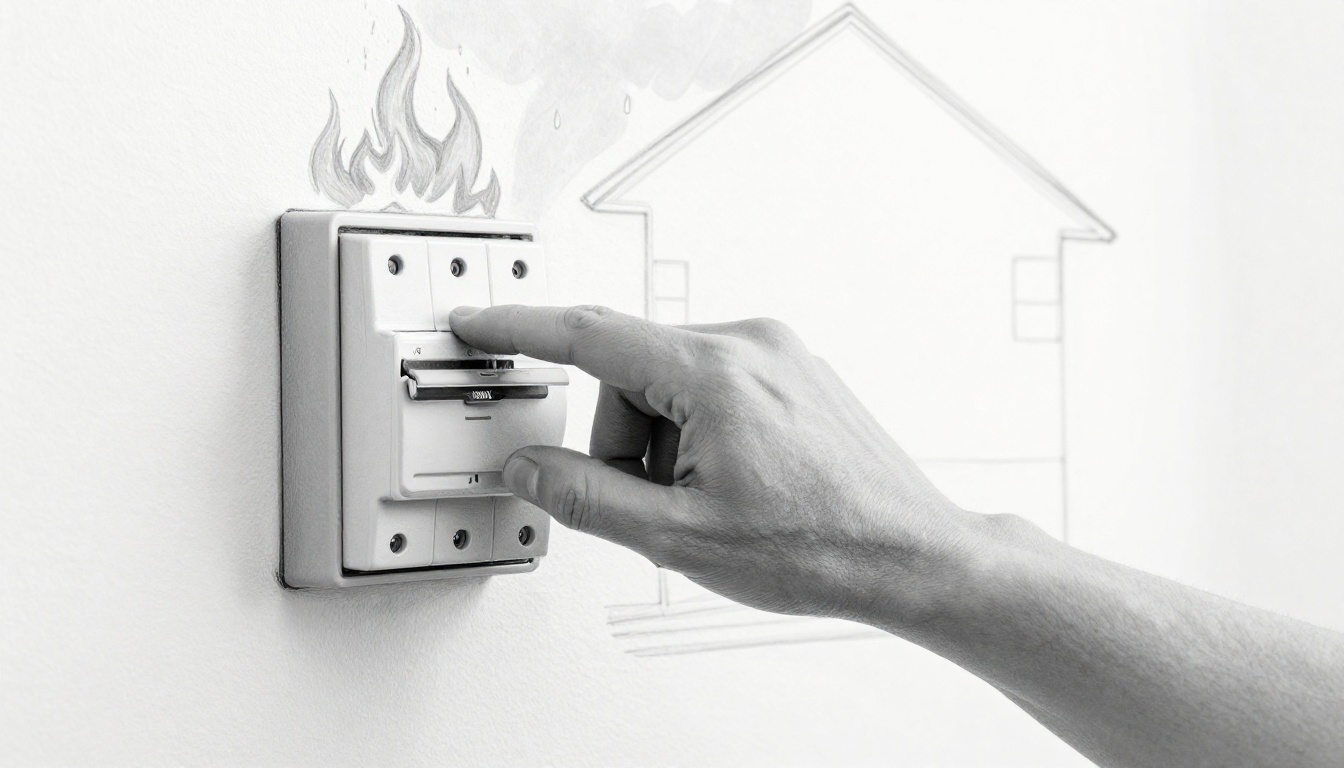
Picture this: Flames lick the walls of your home during a late-night kitchen fire. You stay calm, dash to the breaker box, and flip the main switch off. That quick move cuts power, stops the fire from spreading through wiring, and keeps you and rescuers safe from shocks.
Home fires strike every 96 seconds in the U.S., claims the NFPA. They cause 2,700 to 3,000 deaths yearly, plus 11,000 injuries and billions in damage. Electrical problems spark 24,000 to 51,000 of those fires each year, so knowing how to safely turn off main power in an emergency can save lives and property.
Floods, storms, and earthquakes add more risks. Water shorts circuits and causes shocks or new fires; surges from storms do the same. NFPA and FEMA guidelines stress shutting off power first, and they align with 2026 safety updates. This step protects firefighters during blazes and prevents worse damage, like the $1.2 billion from electrical mishaps annually.
You don’t need to be an expert. This post walks you through it all in simple steps. First, we’ll locate your main shutoffs. Then, cover the exact process to flip them safely. You’ll get key safety tips, common mistakes to dodge, and what to do right after.
Ready to take control? Let’s find those shutoffs now.
Hunt Down Your Home’s Main Power Controls Now
Start today by hunting down your home’s main power controls. You grab control in an emergency when you know exactly where they hide. Fires or floods hit fast, so check these spots on a calm day. Walk around your property first. Then head inside. This prep takes minutes but pays off big. Most homes have either an outside disconnect or an indoor panel. Newer codes push for outdoor options, so let’s break it down.
Spot the Safest Option: Outside Emergency Disconnect
Look outside near your electric meter for the top choice. This outside emergency disconnect cuts all power without stepping inside. It shines in fires or heavy smoke because firefighters flip it fast from a safe spot. No risk of shocks or burns for you or them.
Spot it as a gray metal box with a big lever handle, often right by the meter on your house wall. Check for labels like “Main” or “Emergency Disconnect” on a red background with white letters. The 2026 NEC rules now require this setup for one- and two-family homes. It sits in easy sight, so first responders spot it quick.
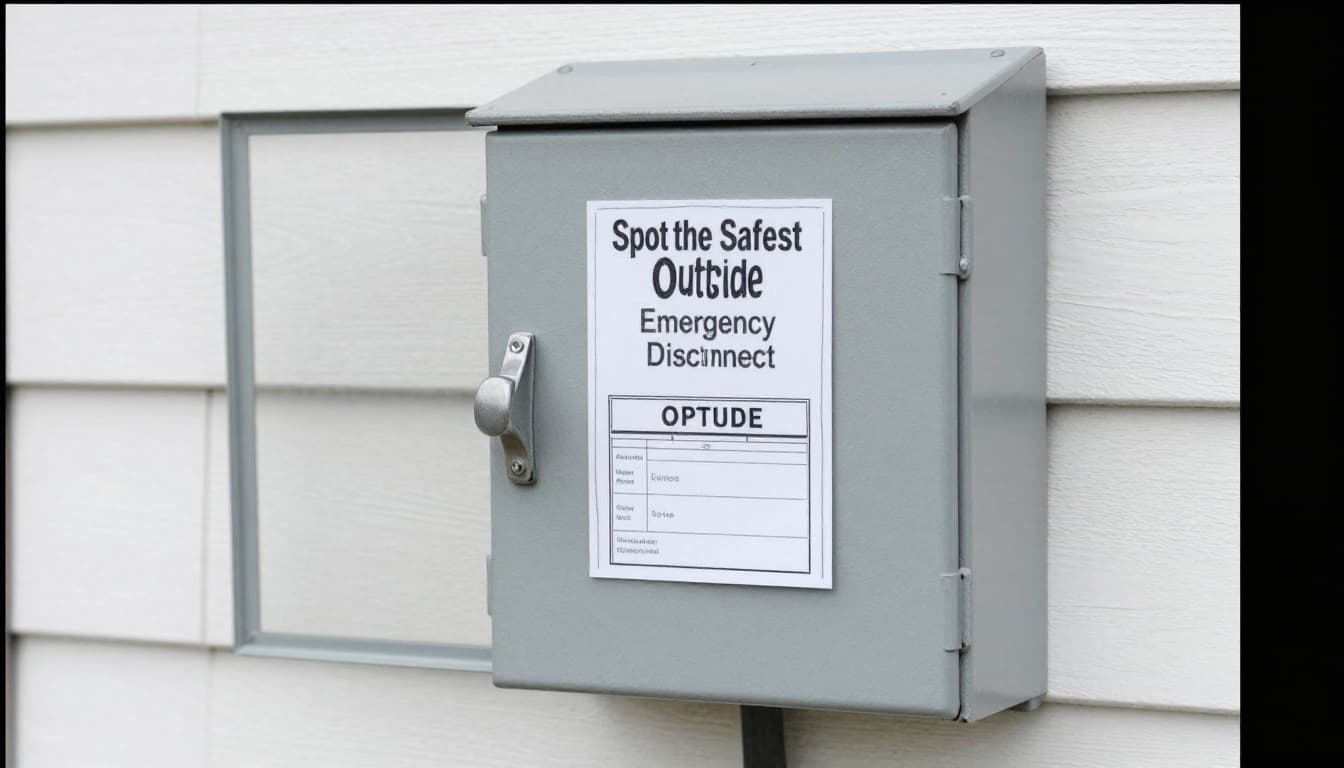
No switch there yet? Call an electrician. They install one per those 2026 recs, especially if you upgrade your panel. Never touch the thick main service lines overhead; leave that to pros.
To shut it off, follow these steps:
- Stand clear of the house and any water.
- Grip the lever firmly.
- Pull it to the off position, usually down or away.
- Test by checking if indoor lights fail.
Done right, power drops everywhere instantly.
Know Your Indoor Breaker Box or Fuse Panel Inside Out
Can’t find an outside switch? Head indoors to your main breaker box, also called the electrical panel. Picture a metal box about 2 feet square, packed with switches or fuses. Newer ones use black rectangular circuit breakers that flip like levers. Older homes have round or screw-in fuses you pull out.
Common spots include these areas:
- Basement, near the stairs or furnace.
- Garage, on an interior wall.
- Utility room, by the water heater.
- Sometimes outside under a weatherproof cover.
For help on where to find main breaker box locations, pros list garages and basements first.
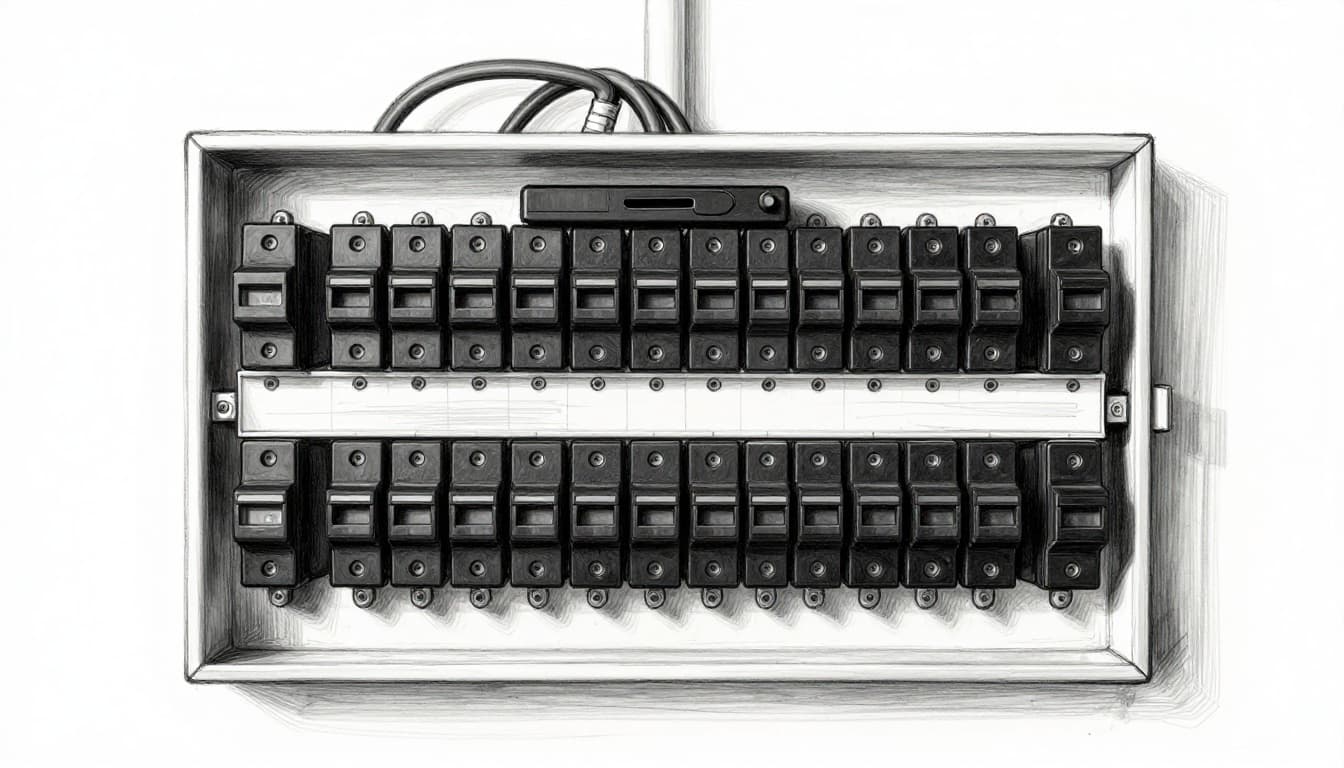
Label every breaker now. Sharpie “kitchen lights,” “bedroom outlets,” or “AC unit” on tape or a printed sheet. Do a family drill: Time each other finding and flipping the main one, often the biggest lever at the top. New panels snap off easy; old fuse types need you to yank the main cartridge. Practice builds speed, so everyone knows the drill.
Follow These Exact Steps to Cut Power Safely
You know where your main controls sit now. Great job. Next, cut that power fast but smart. Follow this step-by-step guide to shut off main power in an emergency. It pulls from the latest NFPA, FEMA, and Red Cross advice as of March 2026. They all stress one thing: only flip switches if the path looks dry and safe. Water nearby? Sparks or smoke? Back off and call pros right away. Otherwise, you risk shocks. Let’s get you protected first.
Prep Yourself Before Touching Anything Electrical
Safety starts with you. Gear up before you touch anything electrical. Grab dry shoes with thick rubber soles. They block shocks better than leather or wet feet. Pull on rubber-insulated gloves rated for electricity. No gloves? Skip it and call help.
Stand on a dry wooden board or rubber mat. Keep both feet together to avoid ground faults. Water conducts power, so never enter flooded areas or smoky rooms. Floods mix water with live wires for deadly shocks. Smoke hides dangers too. Unsure at all? Dial your power company or fire department first. They handle it. Red Cross notes this prep keeps most emergencies from turning fatal.
Check your hands and shoes one last time. Dry and protected? You’re ready to move close.
Flip Breakers and Main Switch the Right Way
Panel door open on a dry spot. Good. Now shut down circuits one by one. Start with individual breakers. Flip them all off first. That kills branch loads safely. Look for labels like “kitchen” or “outlets.” Up position means on. Down means off in most panels. Newer breakers snap with a firm push. Older ones need a steady pull.
Next, hit the main breaker. It’s the biggest switch, often double-wide at the top. Grip it tight. Switch it off firmly. You might hear a click or thud. For fuse boxes, unscrew or yank the main cartridge fuse block. Pull straight out with pliers if stuck. Don’t force rusted ones; call an electrician.
Here’s the quick sequence everyone should drill:
- Flip all branch breakers off.
- Locate and switch the main breaker off.
- Stand back after.
Power drops house-wide. Firefighters love this because it clears wiring hazards fast.
Double-Check It’s Off and Prep for Restart
Think you’re done? Test it. Grab a non-contact voltage tester. These pens light up or beep near live wires. Hold it near breakers without touching. No glow? Power’s off. For details on safe use, check this guide from Engineer Fix. Run it over wires too.
Unplug all appliances now. Cords can spark on restart. Leave one light switched on inside. It signals when power returns. Freezing storm hit? Drain water lines to avoid bursts.
Label your panel better if needed. Note the date you practiced. Pros inspect before you flip back on. NFPA warns against resetting tripped breakers yourself. Stay safe until then.
Smart Safety Habits That Keep Everyone Out of Harm
You’ve located your controls and know the steps. Now build habits that keep you ready. These simple routines turn panic into action during fires, floods, or outages. Practice them often, so everyone stays safe no matter what hits.
Start with family drills. Gather weekly in the garage or basement. One person grabs a flashlight, finds the panel, and flips the main breaker off. Others time it and yell “Power off!” Kids learn fast this way. The Red Cross recommends these drills because muscle memory saves seconds.
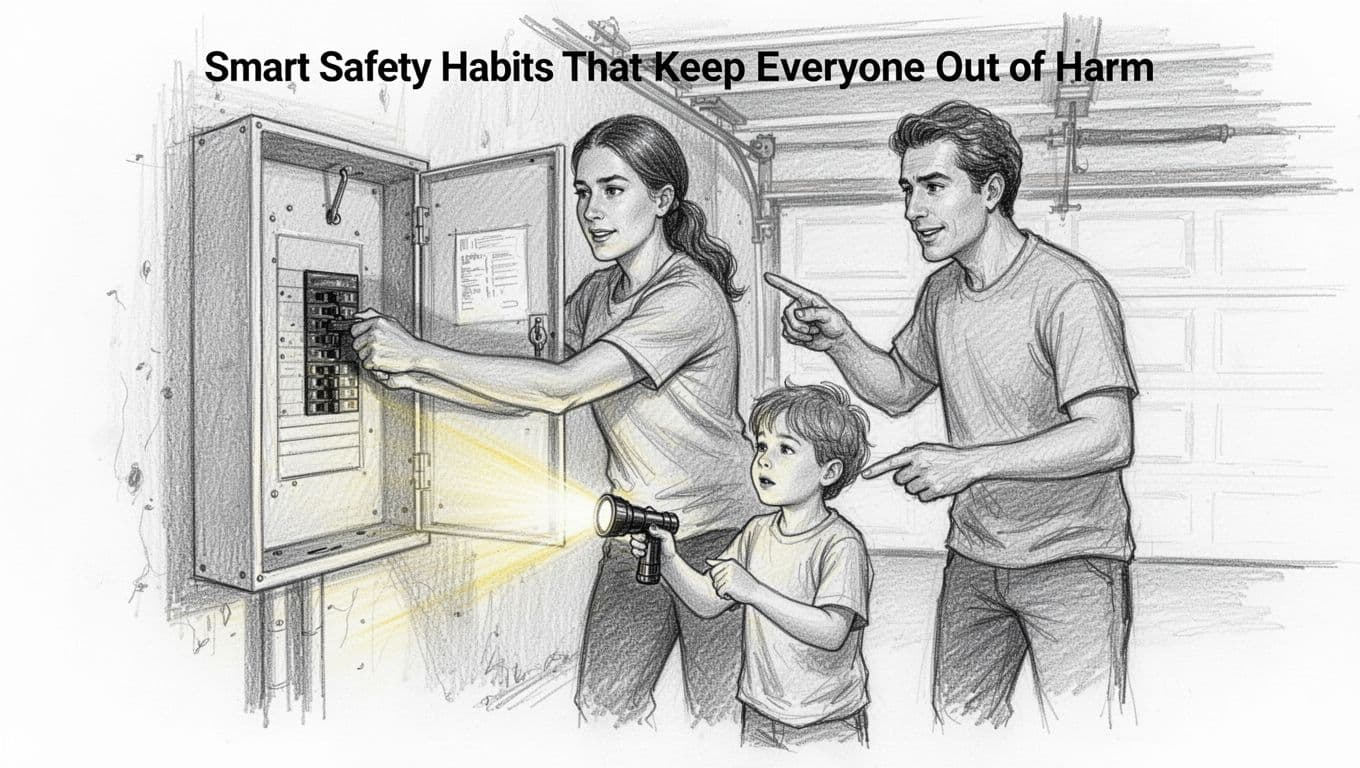
Label every breaker clearly. Use tape and a Sharpie for “fridge,” “lights,” or “garage door.” Update the list yearly. Everyone spots circuits fast then.
Prep your garage door too. Find the red emergency cord now. Practice pulling it when the door’s closed. Power fails? Lift manually to escape. No damage, no stuck doors.
Tailor Habits to the Threat
Fires demand the outside switch first. Skip the house; pull that lever from afar. Firefighters thank you.
Floods mean stay dry. Skip wet outlets or fans entirely. Water plus power equals shocks. Call the utility company pre-planned; save their number in phones.
Outages call for unplugging appliances. Surges fry gear on restart. Turn off the main if lines look down. Keep a kit ready: flashlight, radio, water.
Build these habits today. You’re set for anything then. No more guesswork, just calm control.
Dodge These Dangerous Errors at All Costs
You nailed the location and steps. Still, panic leads to slip-ups that turn safety into disaster. These common mistakes turning off power in an emergency kill or injure folks every year. NFPA reports electrical fires claim 390 to 500 lives annually, often from simple errors like these. 2026 NEC updates and FEMA stress avoiding them. Don’t be the one who learns the hard way. Here’s what trips people up most, plus why they sting.
First, many skip flipping individual breakers before the main switch. They yank the big lever and call it done. However, some panels leave branch circuits live. Residual power sparks fires or shocks you on restart. Always hit branches first; it clears loads safely.
Next, folks flip everything back on too soon. Power surges hit hard after outages, frying TVs, fridges, and computers. One family in a storm lost $5,000 in gear because they rushed. Wait for an electrician, as this power outage guide explains. Pros check for damage first.
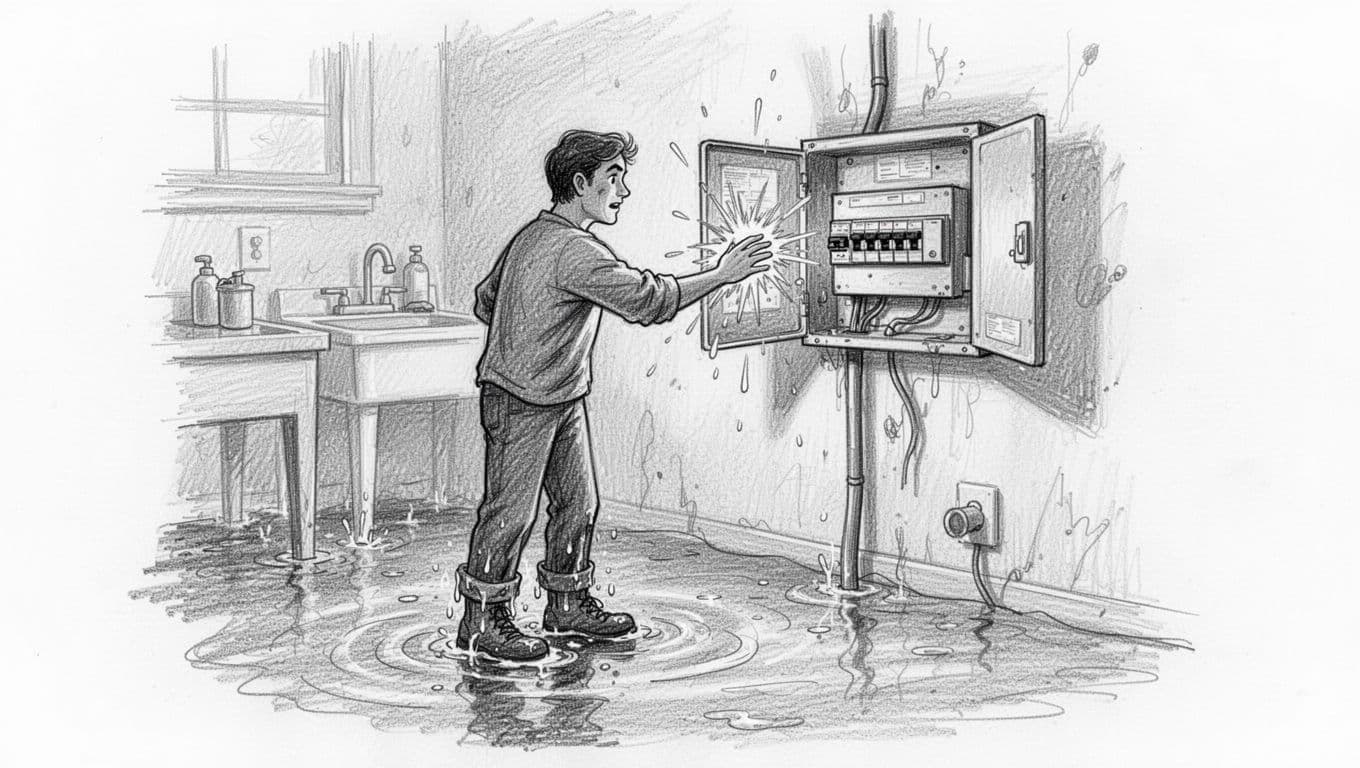
Worse yet, some touch live service lines overhead. Those thick wires from the pole carry 200 amps. One grab equals instant electrocution. Leave them alone; utility crews handle drops.
People enter hazards too, like flooded basements or smoky rooms. Water conducts shocks straight through you. Sparks fly in smoke you can’t see. Stay out, call help instead.
Finally, they forget to unplug appliances. Cords draw surge power on restart, melting insides or starting fires. Unplug everything after shutdown. Simple step, huge payoff.
Spot these traps now:
- Skip branches? Risk live wires and shocks.
- Rush the restart? Surge damage costs thousands.
- Grab service lines? Deadly currents wait.
- Enter danger zones? Water or smoke kills fast.
- Leave plugs in? Fires brew on power return.
Drill these avoids weekly. You stay safe because you spot errors before they bite.
After Power’s Off: What Happens Next
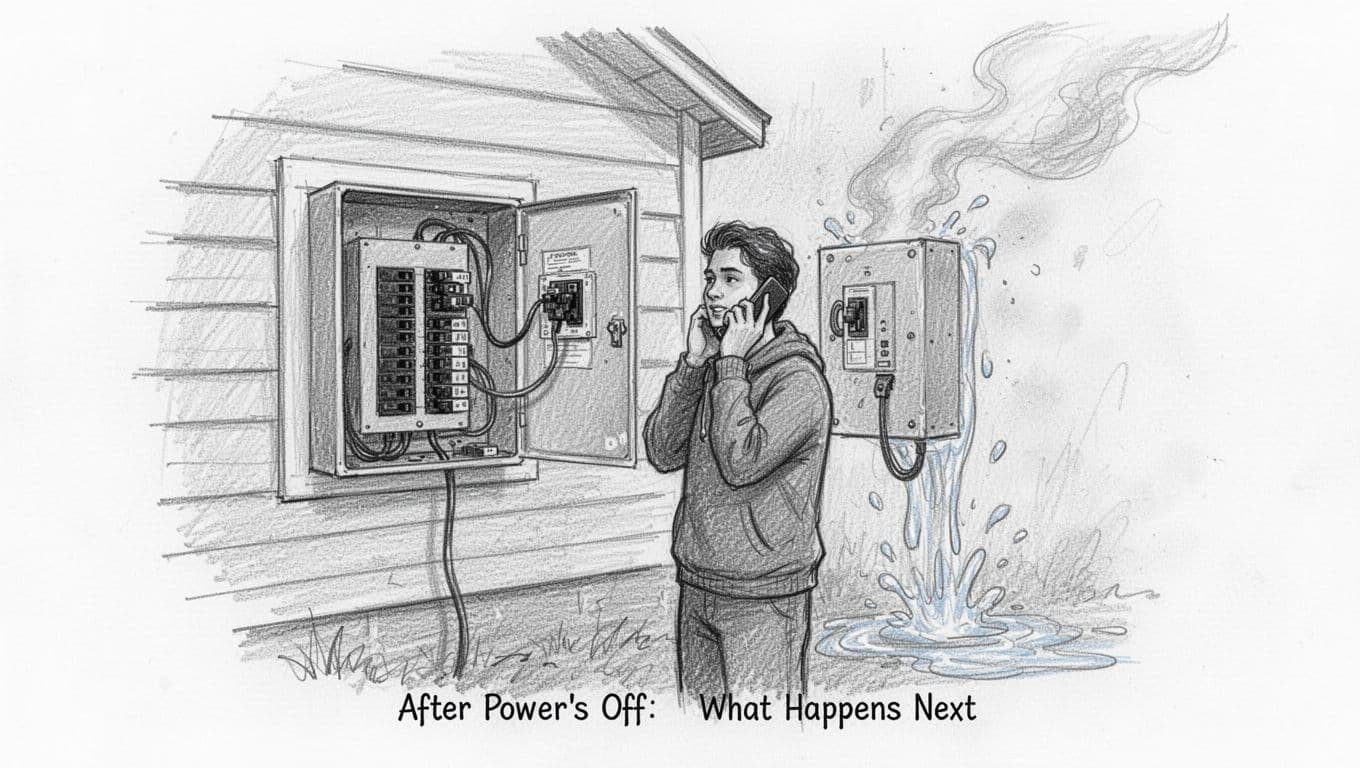
You flipped the switch. Power’s off. Good move. Now breathe. The real work starts here. Keep it off until pros inspect. Damage hides in wires from heat, water, or surges. Turn it back too soon, and you risk fires or shocks. Stay safe while you wait.
Spot Damage Signs and Call the Right Help
Sniff for burnt plastic smells. See sparks or frayed wires? Spot those fast. They signal trouble. Floods leave hidden shorts too. Water soaks panels and cords.
Call these folks right away:
- Fire department if flames or smoke linger.
- Utility company for downed lines or floods.
- Electrician for home checks.
FEMA warns against restarts yourself. For fire details, read USFA’s After the Fire guide. They list steps like boarding windows and grabbing papers. Pros arrive quick because you called first.
Prep Your Home and Gear for Restart
Unplug everything now. Appliances draw surges on power return. They fry or spark. Wipe water from floors if safe. Dry gear with fans outside.
When clear, flip breakers one by one. Start small. Watch for pops or heat. Still unsure? Wait longer. NFPA says label panels first for easy checks.
Upgrade to an Outside Disconnect
Add that outside switch soon. It lets firefighters cut power fast next time. Codes push it for new homes. Call an electrician today. You gain peace and safety.
These steps wrap up your response. Now plan ahead with insurance claims or rebuilds. You’re in control.
Conclusion
You now know how to locate your main power controls, follow safe steps to shut them off, dodge common pitfalls, and call pros afterward. Most importantly, that outside emergency disconnect or main breaker flip keeps fires from spreading and shocks at bay. Practice these moves today.
Walk through your home right now. Label every breaker clearly, then run a quick family drill. As a result, you’ll act fast when emergencies hit, just like that calm dash in our opening fire scenario.
Share this post with friends and family so they stay safe too. What drill tip worked best for you? Drop it in the comments below, and subscribe for more home safety guides. You’ve got the knowledge to handle power emergencies safely.