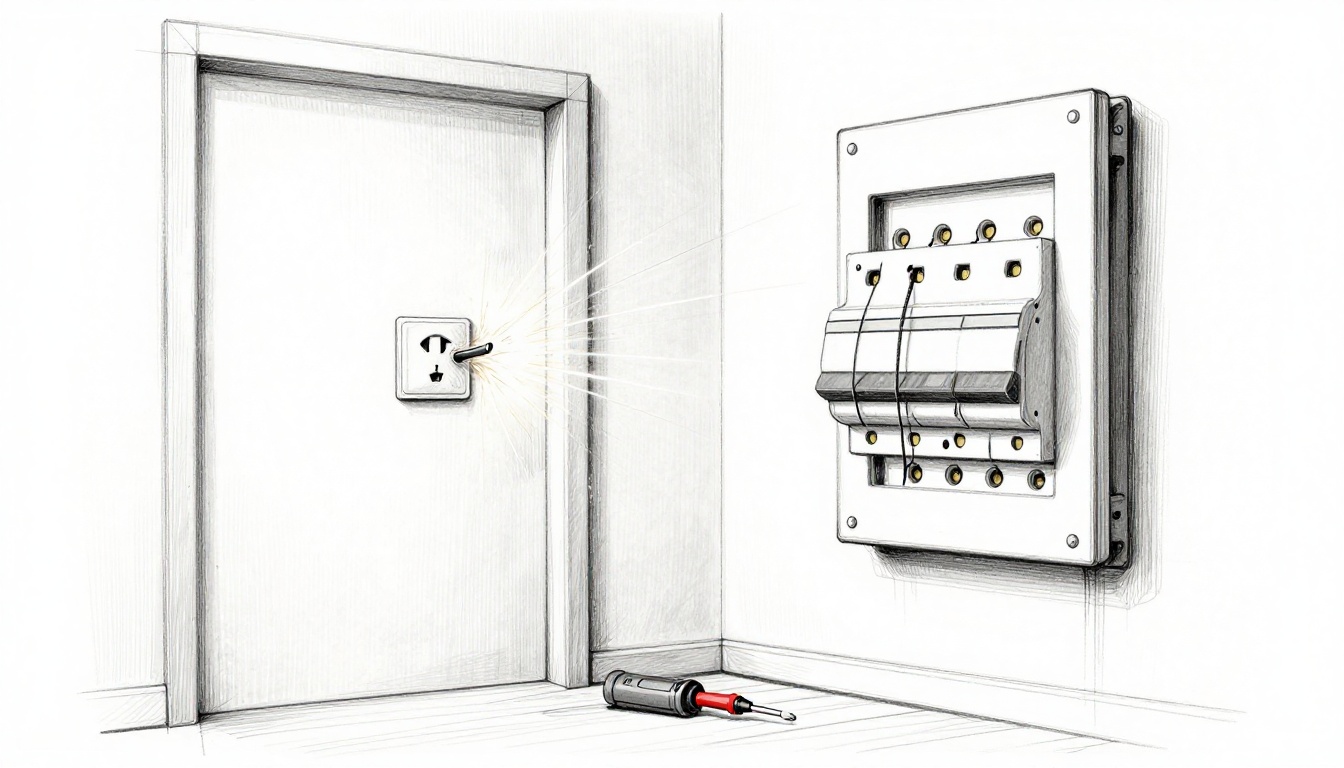
In 2024, US fire departments handled 329,500 home structure fires. These caused 2,920 deaths, 8,920 injuries, and $11.4 billion in damage. Electrical malfunctions sparked about 51,000 of those fires each year, leading to nearly 500 deaths and over 1,400 injuries.
You might swap a light bulb yourself. But many problems hide deeper risks like shocks or fires. Your insurance could even deny claims from DIY mistakes.
This post breaks down urgent warning signs, jobs you should skip, trends pushing upgrades, and hiring tips. Spot issues early, and you avoid disaster.
Warning Signs That Scream Call an Electrician Now
Your home’s wiring talks to you. Ignore the hints, and small glitches turn deadly. Electrical failures rank as the third-leading fire cause. Faulty wiring and arcs drive most of them.
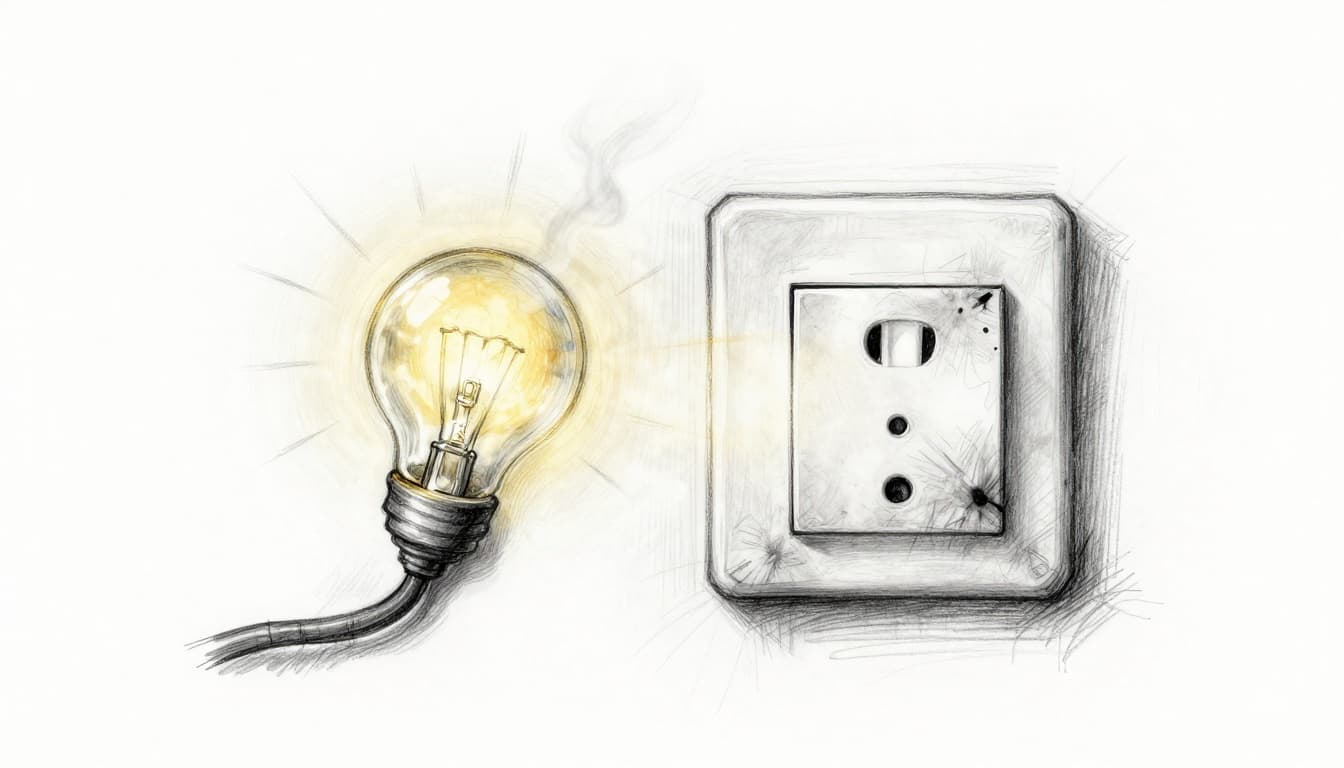
Common flags include flickering lights or hot outlets. They signal overloads or shorts. Act fast because fires from arcs alone hit 28,000 yearly with $700 million damage. For more on these dangers, check 10 signs of a faulty electrical system.
Flickering or Dimming Lights
Lights dim when you run the dryer or AC. This points to loose connections or overloaded circuits. Older homes from before 1990 often face this issue.
Arcing from bad wires starts thousands of fires each year. Turn off the breaker right away. Then call a pro. Don’t wait. Problems grow fast and spark blazes.
Picture this: Your kitchen lights fade during dinner prep. It’s not the bulbs. Wires fight extra load. A quick fix seems easy. But hidden damage lurks inside walls.
Burning Smells, Hot Outlets, or Buzzing Sounds
A plastic burn smell hits near an outlet. Or plugs feel warm after use. Buzzing comes from switches too. These mean shorts or failing insulation.
Outlets heat up and melt covers. Evacuate if smoke lingers. Shut breakers first. Pros find buried faults like chewed rodent wires.
One family smelled scorch during movie night. They unplugged everything. Electrician traced it to a frayed cord inside the wall. Quick action saved their home.
Frequent Breaker Trips or Blown Fuses
Breakers flip often, especially with space heaters. Fuses blow too. Overloads or ground faults cause this. Winter spikes the risk as heaters pull heavy amps.
Data ties 14% of fires to overloads. It’s more than annoying. Your setup can’t handle modern draws. Call for safe upgrades, not resets.
Reset once or twice. But daily trips demand inspection. Pros add circuits or panels. They prevent shocks from worn breakers.
Sparks, Scorch Marks, or Loose Connections
Sparks fly when you plug in a lamp. Scorch marks blacken outlets. Plugs wiggle loose. Arc faults rage here, costing $700 million yearly.
Older aluminum wiring from pre-1970s doubles fire odds. Black marks show past heat. Skip DIY pulls on wires. They worsen breaks.
See a spark? Unplug and power down. Pros replace risky sections. They test for code compliance too.
Electrical Tasks You Should Never Tackle Yourself
Simple swaps like bulbs stay in your hands. But big jobs? They demand licenses per National Electrical Code. Wrong moves void insurance and spark fines.
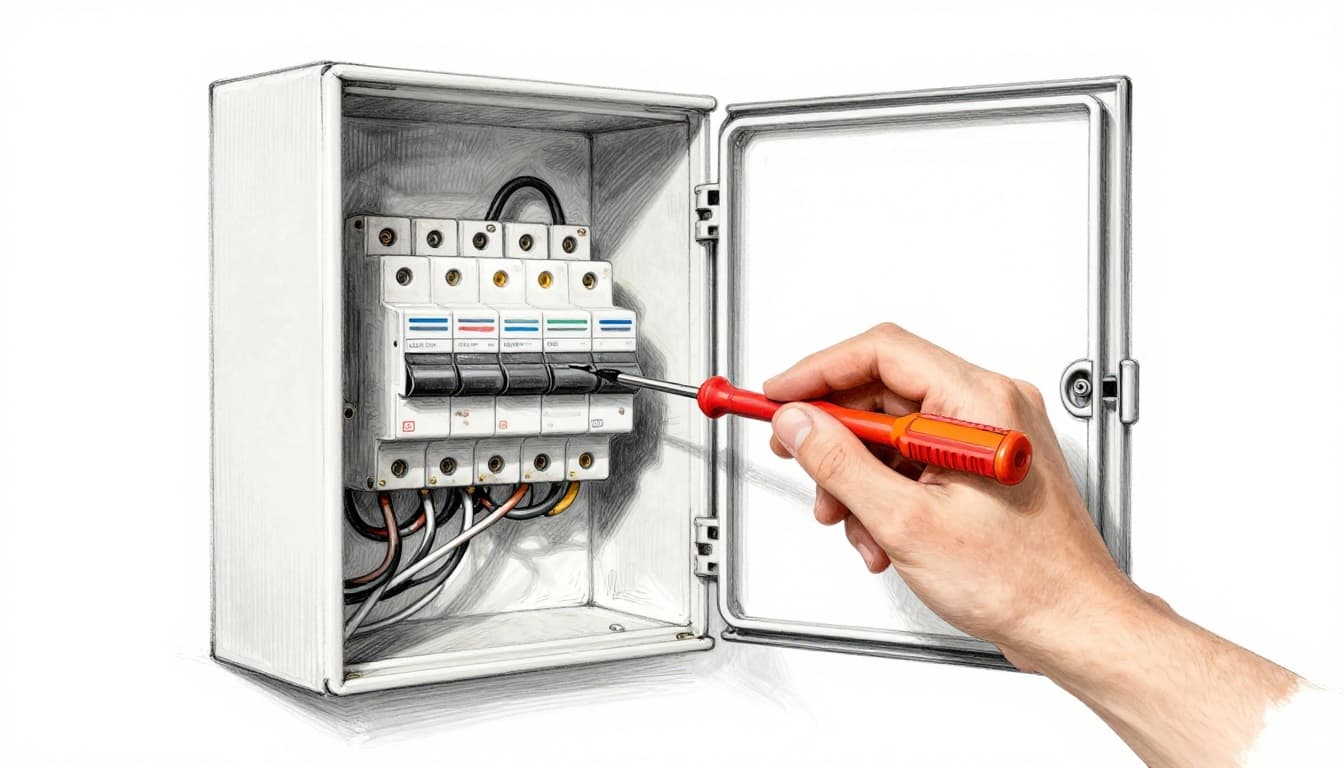
Rewiring or panel work tops the no-go list. Pros carry tools and training. For DIY risks versus pro help, see calling an electrician or DIY comparison.
Rewiring Walls or Upgrading Your Main Panel
You chase bad outlets through drywall. Or your 60-amp panel chokes on today’s loads. Full shutdowns and inspections follow.
DIY shocks kill. Code violations halt sales too. Pros size panels right. They pull permits and test loads.
One homeowner tried panel swaps from videos. Sparks flew. Fire crew arrived. Pros fixed it code-ready.
Installing New Circuits, Outlets, or GFCIs
Add a bathroom outlet? Run circuits to the garage? GFCIs cut shocks near sinks. But bad installs fail 25% of the time.
States ban unlicensed work. Faulty grounds invite fires. Pros verify polarity and amps. They bond everything safe.
Skip the drill. Pros map your layout first. Tests confirm no shorts post-job.
Adding EV Chargers or Big Appliances
Hot tubs, ranges, or EV chargers gulp power. Old wires buckle. Overloads follow.
Trends overload 71% of pre-1990 homes. Pros dedicate circuits. They upgrade service drops too.
Your dryer circuit won’t cut it for EVs. Pros prevent melts from undersized feeds.
Rising Home Trends That Call for Pro Electricians
EVs boom in 2026. Smart devices multiply. Heaters peak in winter. Fires climb as draws surge.
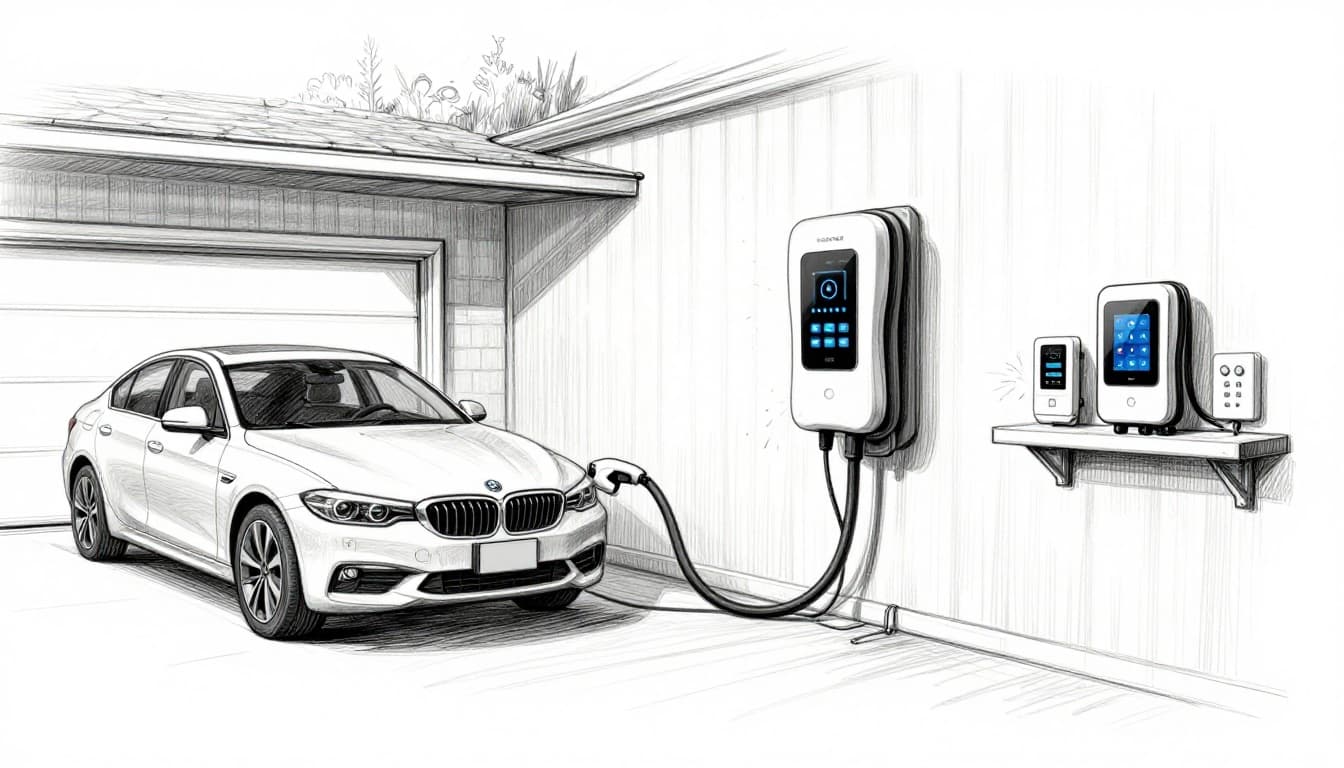
Aluminum wires and missing alarms worsen it. Full audits catch gaps. See NFPA home electrical fires report for stats.
Overloads from EVs, Smart Devices, and Heaters
EVs need 240-volt lines. Thermostats, plugs, and fridges add up. Heaters triple winter fires.
Pre-1990 wiring fails here. Pros install sub-panels. They balance loads across phases.
Garage chargers spark without upgrades. Smart setups trip breakers daily otherwise.
Upgrading Old Wiring and Safety Features
Knob-and-tube or aluminum wires age out. Add AFCIs for arcs, GFCIs for moisture.
26% of fire homes lack smoke alarms. Pros swap during renos. They infrared-scan hot spots.
Inspections reveal melts behind panels. Upgrades drop risks by half.
Steps to Find and Hire the Right Electrician Fast
Need help now? Verify licenses on state boards first. Check Google or Yelp reviews next.
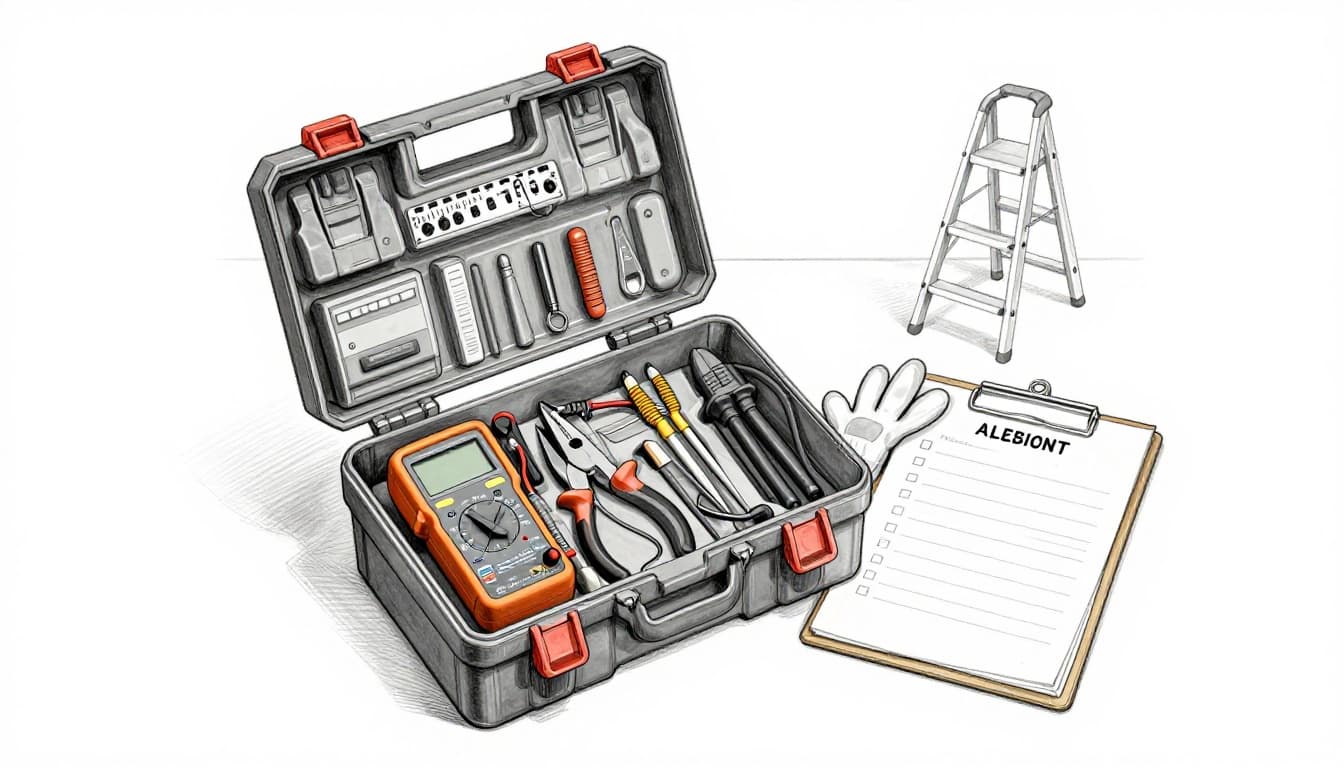
Get three quotes. Ask for your issue experience, warranties, and emergency fees. For hiring steps, try how to hire a reliable electrician tips.
Expect arrival, diagnosis, fixes, and cleanup. They test post-job. Pros save on future bills too.
Watch for insurance proof. bonded workers prevent liability gaps. Clear contracts spell scope.
Electrical fires claim lives yearly. Spot flickers, smells, or trips? Shut power and dial a pro.
Better safe than shocked. Call licensed help for panels, EVs, or upgrades. Your home stays powered right. Spot a sign today? Act now.