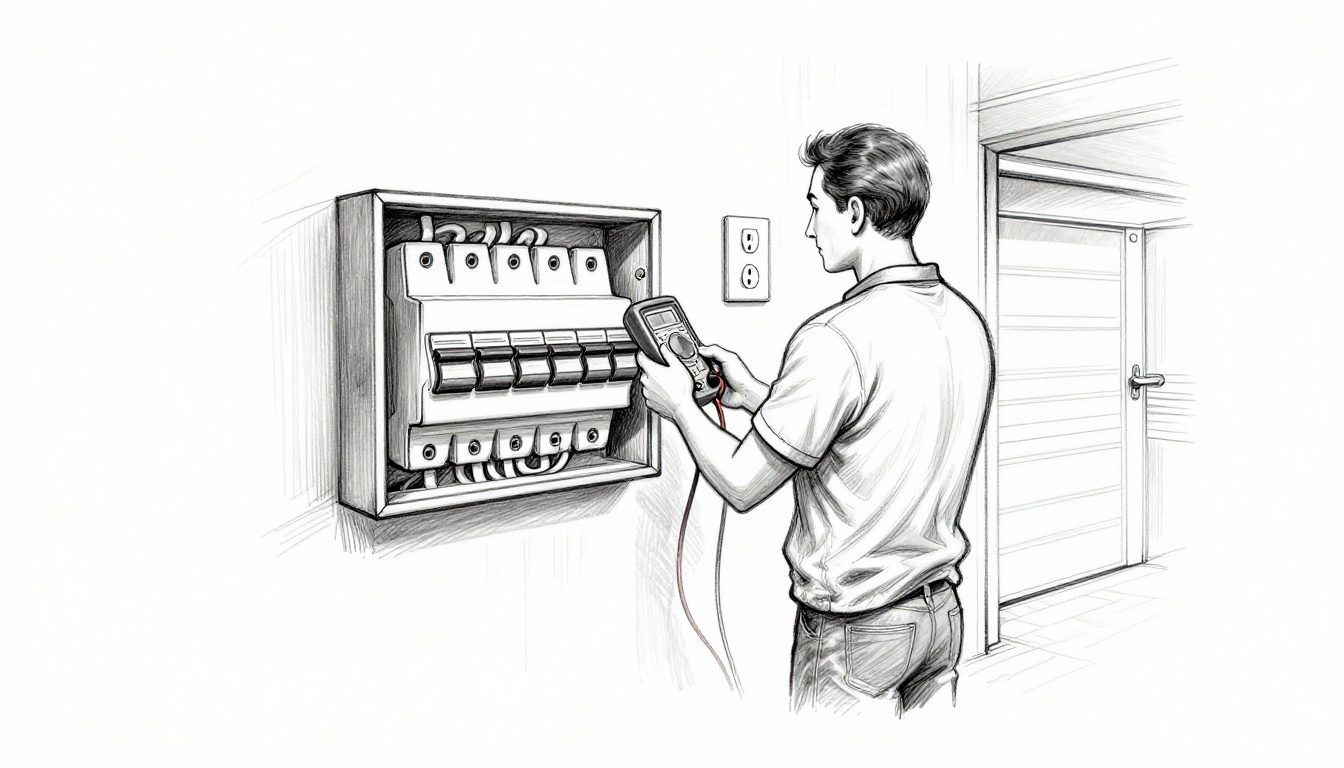
Overloaded circuits spark about 5,300 home fires each year in the US. Faulty wiring causes nearly half of those blazes. Aging systems in over 30 million older homes make matters worse, leading to thousands more incidents and over $1 billion in damage annually.
You face real risks from shocks, fires, or outages in everyday spots like kitchens and garages. Simple monthly checks spot issues early and prevent most problems. The NEC 2026 expands GFCI rules for wet areas, outdoors, and HVAC to boost safety.
This guide covers common hazards, tools you need, a step-by-step walkthrough, and signs to call a pro. These easy DIY steps keep your family safe without fancy skills.
Spot the Hidden Dangers Before They Spark Trouble
Home electrical issues hide in plain sight. They cause 47,700 fires yearly, killing hundreds and injuring thousands. Regular checks cut those odds because you catch problems like overheating before flames start.
Older homes over 30 years old often have outdated wiring. It struggles with modern appliances. The NFPA reports electrical failures as a top fire cause. Scorch marks, buzzing sounds, or flickering lights signal trouble. Look close, but stick to visuals. Never poke inside walls.
For more on fire stats, check the NFPA’s home electrical fires report.
Overloaded Circuits and Worn-Out Cords
Plug too many devices into one outlet, and heat builds fast. Circuits overload from space heaters, chargers, and lamps all at once. Breakers trip, but not always before wires get hot.
Cords wear out from foot traffic or pets chewing. Frayed insulation exposes wires. A vacuum or lamp cord might spark if pinched under rugs. Unplug unused items daily. Give big appliances like fridges their own circuit. This simple habit stops most cord fires.
Faulty Outlets and Missing Ground Fault Protection
Cracked outlets or loose plugs mean poor connections. They overheat and leave black marks. Water near outlets ups shock risk without GFCIs.
NEC 2026 requires GFCIs within six feet of sinks in kitchens and baths. Garages and outdoors now need them up to 60 amps. Older homes might lack them entirely. Check spacing too; outlets sit every 12 feet on walls. Missing protection invites disaster in wet zones.
Details on these changes appear in Vector Solutions’ 2026 NEC GFCI webinar.
Gear Up with These Basic Tools for Safe Checks
You don’t need pro gear to start. Grab a few cheap items, and you’re set. Most cost under $20 total at hardware stores.
An outlet tester plugs in and lights up wiring faults like swapped hot and neutral. A non-contact voltage tester beeps near live wires without touching them. Use screwdrivers for covers, a flashlight for dark spots, and a sturdy ladder for high outlets.
Always flip breakers off first. Test tools on known good outlets. Skip advanced stuff like multimeters unless you’re trained. These basics make checks quick and safe.
Your Monthly Walkthrough: Check These Key Home Areas
Set aside 30 minutes monthly. Walk room by room with your tools. Turn off power at breakers for panel peeks. Note issues on paper.
NEC calls for two kitchen countertop circuits, 20-amp bath outlets, 240-volt laundry dryers, and weatherproof garage plugs. Test GFCIs and smoke detectors too. Focus on visuals and simple tests.
Start with GFCI Outlets in Wet Zones
Head to kitchens, bathrooms, laundry rooms, garages, and outdoors first. These spots need extra protection per NEC 2026.
Plug in your outlet tester. Press the GFCI test button; it should click off power. Reset and test again. If it fails twice, replace it right away. New rules cover accessory sheds and HVAC units outdoors starting later this year.
Scan Outlets, Switches, and Lights Everywhere
Move through every room. Check outlets for cracks, burns, or wiggles. Plug in the tester; green means correct wiring.
Switches might buzz or spark. Lights flicker from loose bulbs. Tighten them gently. In baths, ensure exhaust fans have moisture-proof covers. Note any half-hot outlets in kitchens.
Hunt for Cord and Appliance Issues
Inspect cords on lamps, vacuums, and chargers. Feel for warmth during use. Look for frays, kinks, or bent prongs.
Appliances like toasters hum odd? Unplug them. Big items such as dryers need dedicated lines. Unplug everything when not in use. This prevents hidden wear.
Peek Inside Your Electrical Panel Safely
Find your panel, often in the garage or basement. Turn off the main breaker first.
Look for rust, scorch marks, or unlabeled switches. Fuses mean an old system; upgrade them. Frequent trips point to overloads. Never touch wires or breakers while powered. Just observe.
Don’t Forget Smoke Detectors and Outdoor Spots
Test smoke and CO detectors monthly. Press the button; they should chirp loud. Swap batteries twice a year.
Outdoors, check weatherproof covers on outlets. Ensure GFCIs there too. Garages need them on all plugs now.
Know When to Skip DIY and Call an Electrician
DIY stops at visuals and basic tests. Some signs demand a pro.
Scorch marks, constant buzzing, or breakers that won’t reset mean wiring faults. Exposed wires, frequent trips, or storm damage require experts. Old homes, rodent-chewed insulation, or new EV chargers need full inspections.
Schedule yearly pro checks for NEC compliance. They use thermal cameras for hidden hot spots. Pros handle panels, upgrades, and arc-fault breakers. Your safety checklist pairs well with their deep scans; see this home electrical inspection guide.
Stay Safe with Monthly Checks and Pro Help
Regular walkthroughs spot overloads, bad cords, and faulty GFCIs before trouble hits. You protect your home and family with simple tools and steps aligned to NEC 2026.
Grab your tester today and start in wet zones. Monthly habits save lives and money.
If red flags appear, call an electrician now. Share these tips with neighbors. Your empowered checks keep fires at bay.