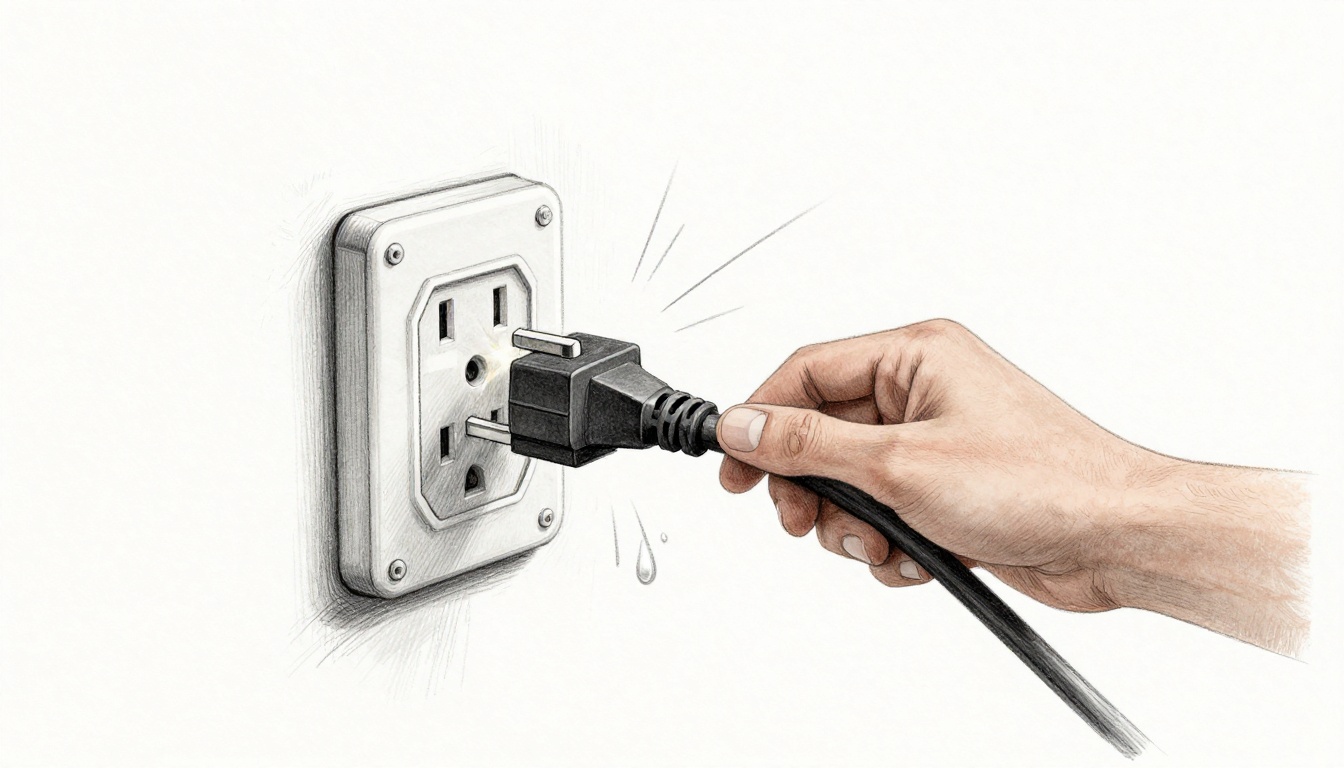
Picture this. You plug in your phone charger, and a small spark flies from the outlet. Or worse, recall that news story last winter about a family displaced by a house fire from a faulty plug. In the US, home electrical fires strike 24,200 to 51,000 times each year. They claim 390 to 500 lives, injure over 1,400 people, and cause $1.3 billion in damage.
Outlets play a big role in these problems. Everyday habits like overloading plugs or ignoring water nearby lead to shocks, fires, and fixes that cost thousands. But you can change that. This guide gives you simple steps to handle outlets right. You’ll keep shocks away and protect your home.
Grasp the Real Risks of Outlet Mishaps
Outlets seem harmless. You plug things in without a thought. Yet they spark real dangers. Recent data shows electrical gear causes thousands of home fires yearly. Receptacles alone link to 5,300 fires, 40 deaths, and over 100 injuries.
These issues peak in winter. December and January see more because heaters and lights run nonstop. Living rooms and bedrooms suffer most, with 48 percent of fires there. You might skip checks on a busy day. But numbers like these demand attention.
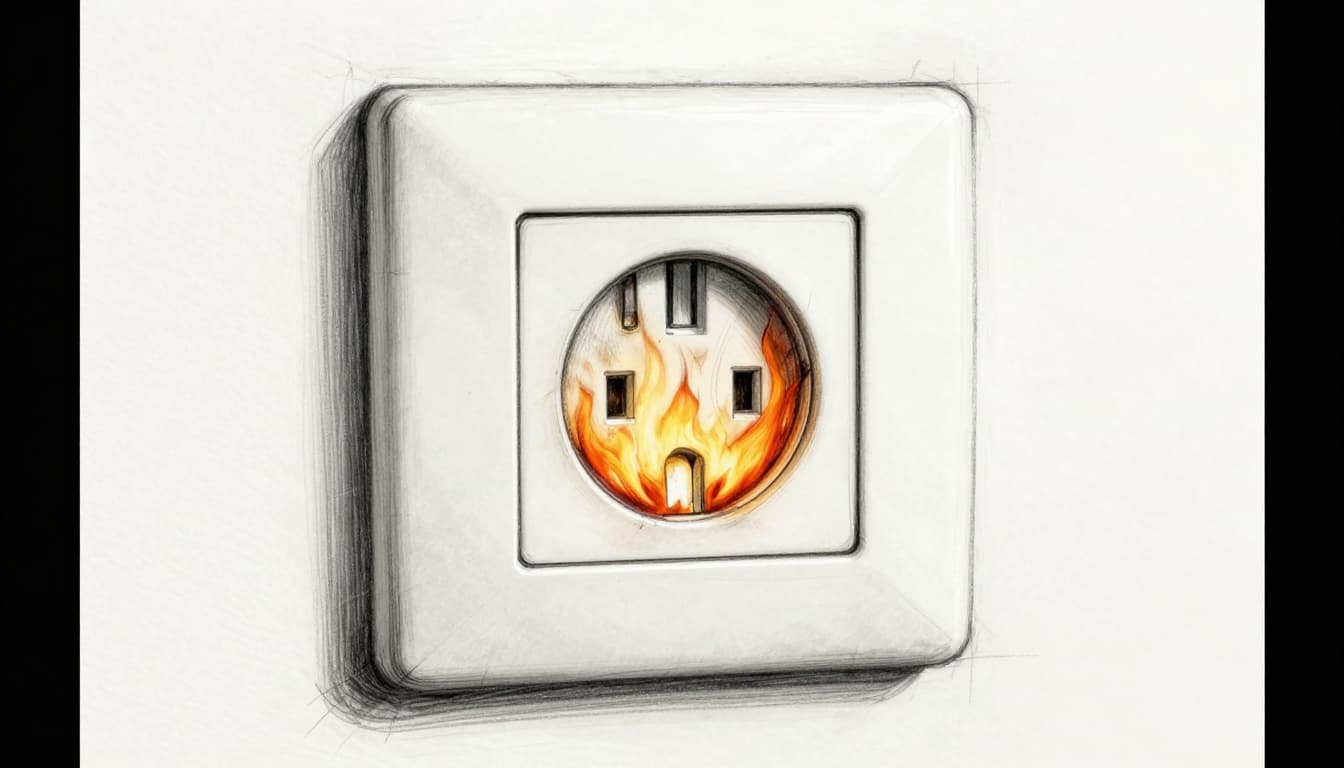
For detailed stats, check NFPA’s home electrical fire safety page.
Eye-Opening Stats on Fires Shocks and Injuries
Electrical malfunctions kill 390 to 500 people yearly. They injure 1,400 or more and rack up $1.3 billion in damage. Outlets and wiring tie to 6 percent of all home fires.
Shocks add hidden risks. Water or faults send hundreds to hospitals. These happen right at home, often from simple oversights. Fires spread fast in walls. One loose plug turns deadly quick.
In short, outlets cause 5,300 fires alone. Awareness cuts these odds.
Top Causes You Can Prevent Today
Faulty wiring starts 51 percent of electrical fires. Overloads hit 14 percent. Arcing faults spark 63 percent, while short circuits cause 32 percent.
Misused cords lead to 3,300 fires. Water exposure worsens faults in outlets. You can stop most with basic habits. Inspect wiring often. Spread out plugs to avoid overloads.
Tighten loose connections. Ditch damaged cords. These steps tie straight to NFPA electrical fire reports.
Check and Choose Outlets Like a Pro
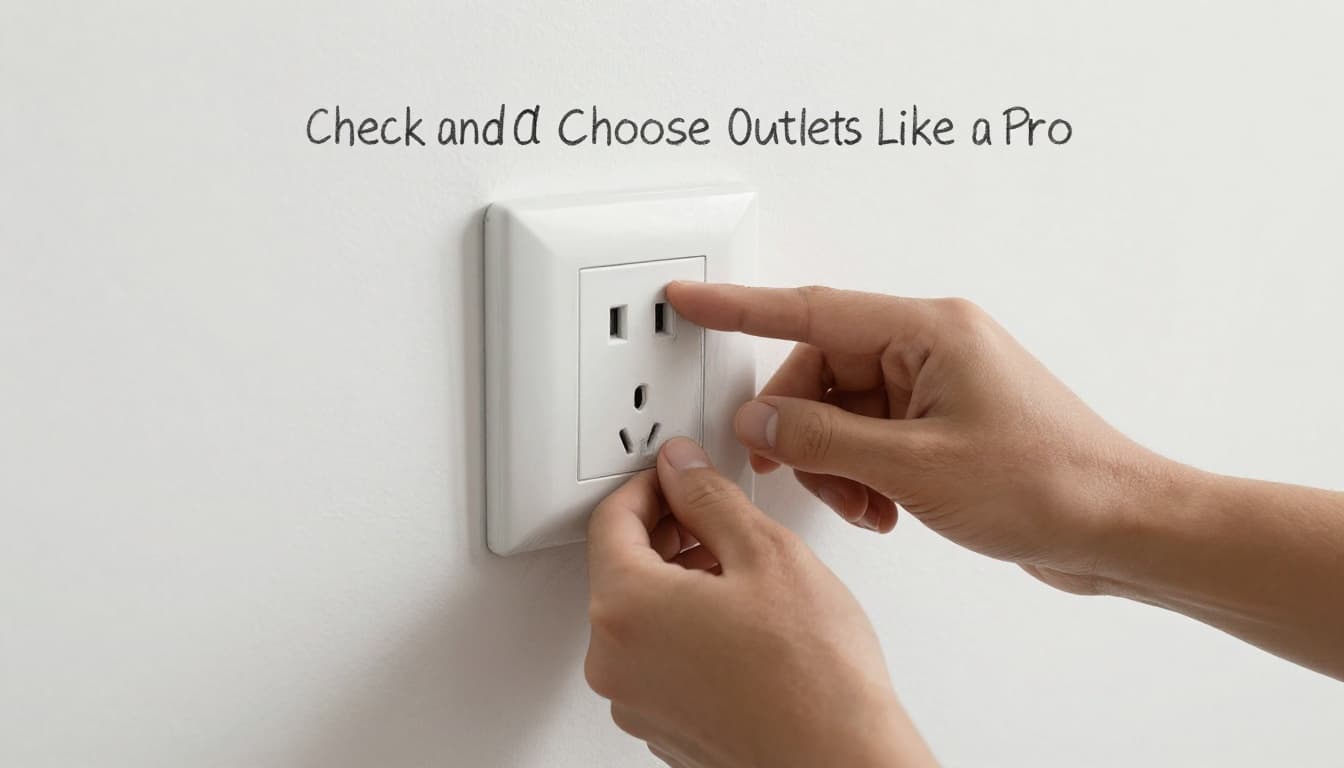
Start with your outlets. Feel them monthly for heat. Listen for buzzes. Look for scorch marks or loose fits. NFPA and NEC 2023 rules guide safe checks.
Standard outlets handle 15 to 20 amps. GFCIs suit wet spots like kitchens and baths. They became standard post-1970s. Test them monthly. Press test, then reset.
Follow these steps now:
- Unplug everything first.
- Touch the outlet gently. It stays cool.
- Plug in, tug lightly. It holds firm.
- Note any odd smells or lights.
This routine spots trouble early. It follows updated 2026 safety standards.
Spot Trouble Signs Before They Spark
Warm outlets signal loose wires. Sparks or smoke mean unplug now. Call an electrician.
Frayed cords buzz. Flickering lights or tripped breakers point to overloads. Scorch marks show arcing. Don’t ignore them.
Unplug at once. Pros fix root causes. See signs like these in UL’s wiring problem guide.
Unlock GFCI Protection for Wet Zones
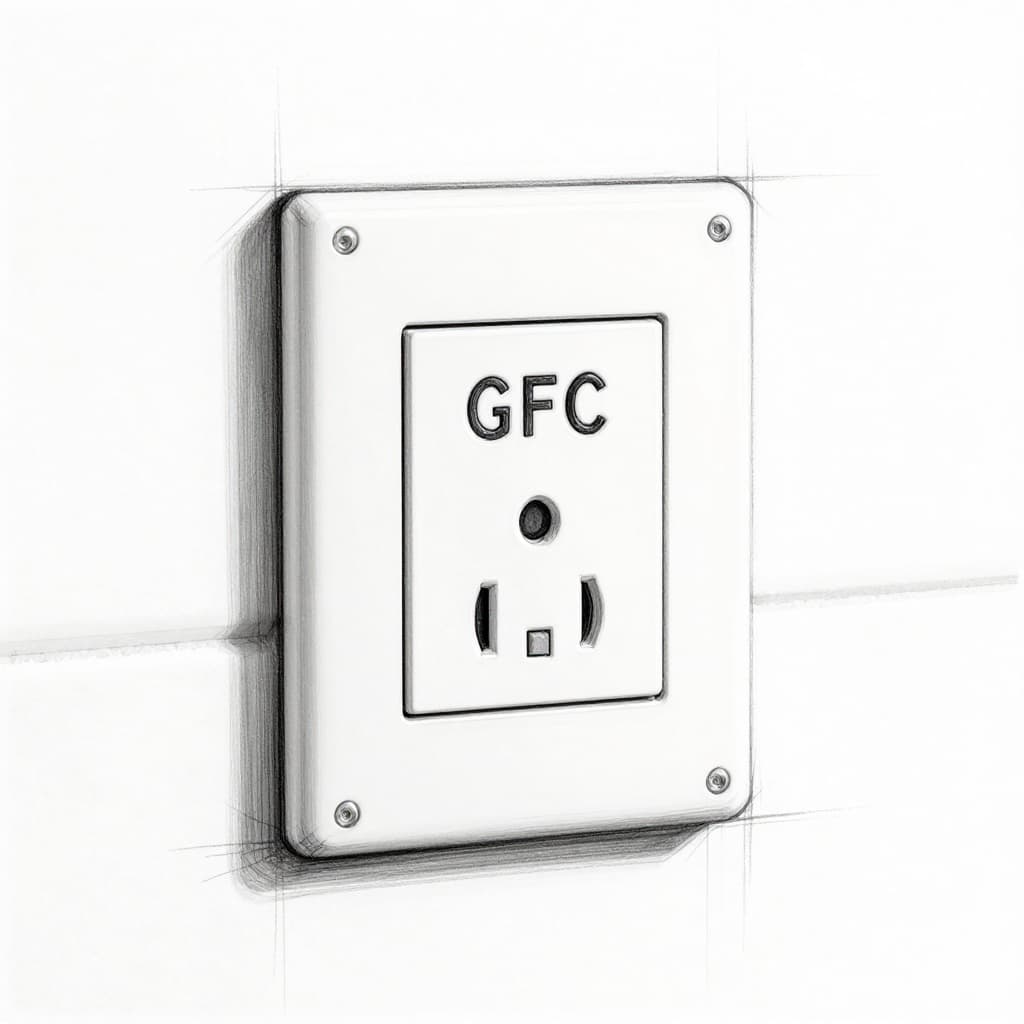
GFCIs cut power in milliseconds on faults. They save lives from shocks. NEC 2023 requires them in kitchens, baths, garages, and outdoors.
Look for test and reset buttons. Press test monthly. It clicks off. Reset brings power back.
Benefits shine in damp areas. They prevent most shocks. Details on requirements appear in 2023 NEC GFCI updates.
Plug In Devices the Safe Everyday Way
Match device amps to outlets. Plug high-draw items straight to the wall. Limit one per outlet, like hair dryers or heaters.
Calculate loads. Add watts from labels. Stay under 80 percent of circuit max. A 15-amp circuit handles 1,800 watts tops.
Use surge protectors for electronics. Skip cheap strips. They lack real protection. Never force plugs. Daisy-chaining causes heat.
Build this routine. Check labels first. Spread loads across rooms. Your home stays cool and safe.
Dodge Overloads That Cause Fires
Too many plugs build heat. Signs include warm walls or dim lights. Fires follow.
Spread devices. Use dedicated outlets for big ones. No toaster with a space heater. This simple split prevents 5,300 yearly overload fires.
Handle Power-Hungry Gadgets Smartly
Space heaters top risks. Run them short times. Unplug after use.
ACs and dryers need their circuits. Surge protectors suit TVs and computers. Not heaters.
In a typical kitchen, plug the coffee maker alone. Bedroom chargers go solo. These habits match real home setups.
Tame Extension Cords and Power Strips Right
Cords cause 3,300 fires from misuse. Use them temporary only. Pick UL-listed ones with breakers.
Plug strips direct to wall. No chains. Keep away from water, heat, or rugs.
Inspect monthly for frays. Match gauge to load: 12-14 for heavy use. Inspect often. Toss damaged ones.
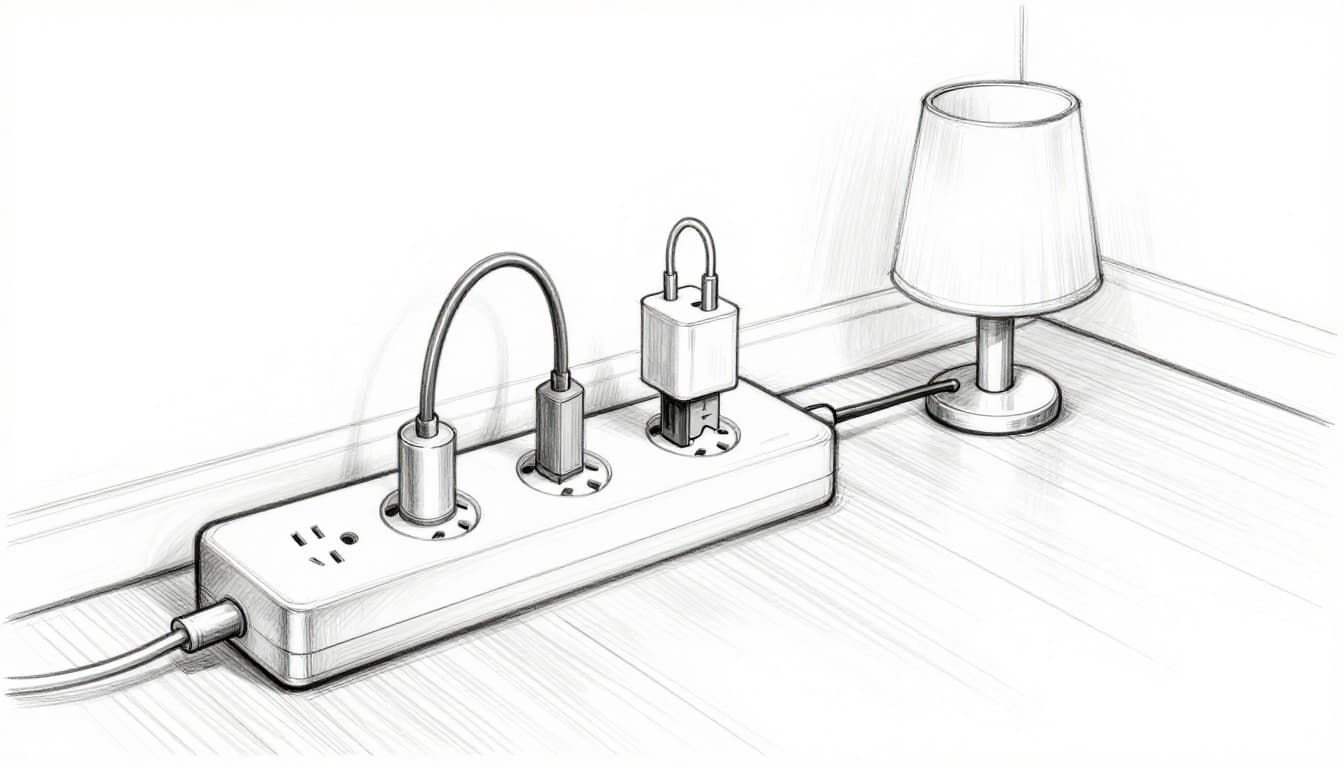
NFPA advises on extension cord fire safety.
Select Gear That Won’t Let You Down
Choose 12-gauge for high amps. Lighter 16-gauge works for lamps. Built-in breakers trip on overloads.
Surge models protect gadgets. They cost more but save repairs. Skip bargain buys without UL marks.
Skip These Setup Blunders
Never staple cords. Avoid chains or rugs. Don’t run over doors.
Renters add outlets via pros. Monthly checks catch wear fast.
Guard Tricky Spots and Vulnerable Folks
Wet areas demand GFCIs. Bathrooms, kitchens, outdoors all need them. Keep cords dry.
Kids and pets chew risks. Use tamper-resistant outlets. They shut if poked.
Winter surges hit hard. Extra plugs for heat mean caution.
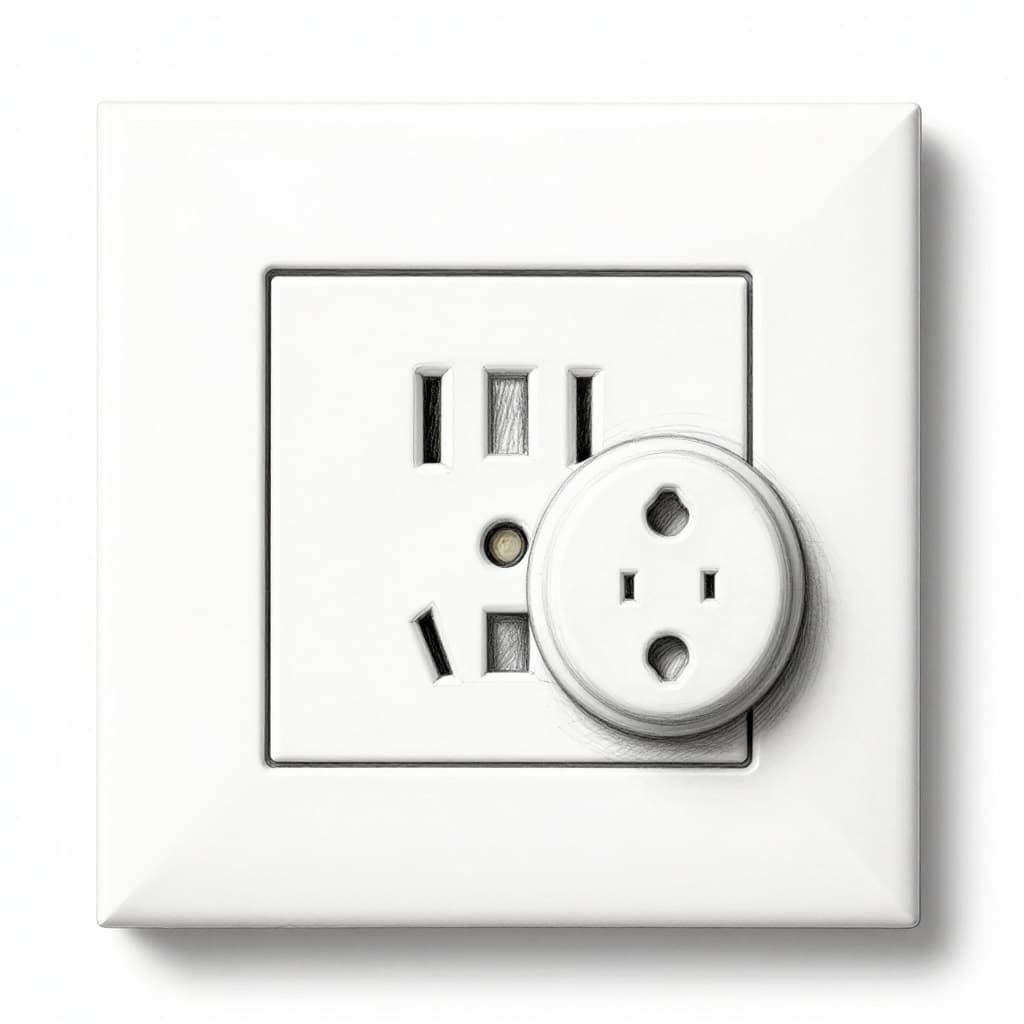
Wet Area Wins with GFCIs and Dry Habits
NEC lists spots: sinks within six feet, garages, roofs. Waterproof covers for outdoors.
No plugged bath toys. Dry hands before use.
Kid and Pet-Proof Your Outlets
New outlets resist tampering. Covers add layers. Block with furniture.
Teach kids: unplug with adults only. Spray bitter on cords for pets.
Know When a Pro Electrician Steps In
Frequent trips signal old wiring. Hot outlets or DIY fails need experts.
Inspections add arc-fault breakers. They stop 51 percent of wiring fires.
Costs pay off in safety. Find licensed pros via local boards.
Inspect outlets today. Test GFCIs now. Share these tips with family.
Small checks yield big wins. Your home stays safe for years. For more, visit NFPA electrical resources.