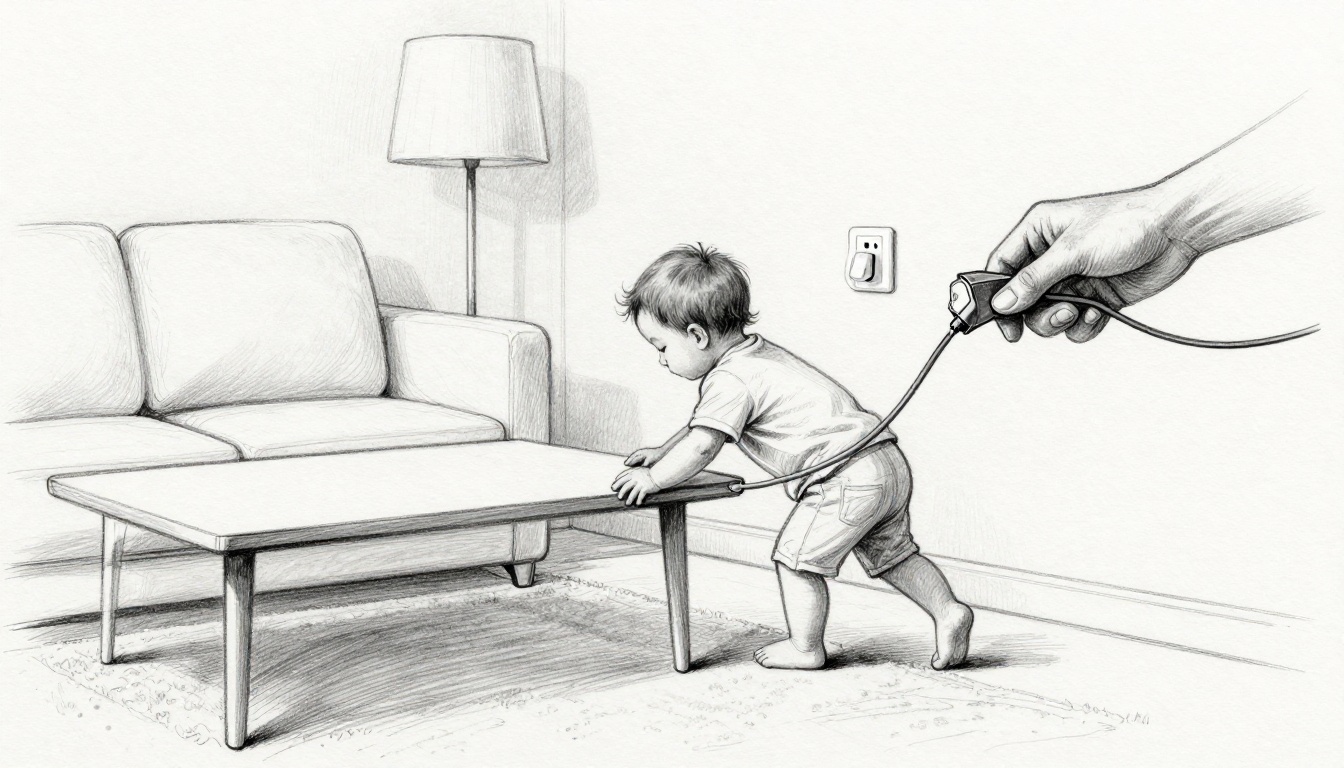
Picture your toddler spotting a charger cord dangling from the coffee table. They grab it fast. One tug, and the lamp crashes down.
Each year, about 4,000 people land in ERs from extension cord mishaps. Kids under five make up 13% of those cases. Half get mouth burns from chewing wires, often needing surgery. Plus, over 24,000 kids under 10 sought treatment for outlet injuries in a recent decade. Most happen right at home.
You can stop shocks, fires, trips, and tears with quick fixes. This post shows you the risks, easy hiding tricks, top products, and habits that last. Parents everywhere use these steps for safer playtime.
Spot the Real Dangers: What Happens When Kids Meet Loose Wires
Kids love to explore. Loose wires draw them in like magnets. Boys face higher odds, but any child under five counts as high risk.
Pulling cords tops the list. It topples heavy items like TVs or irons. Trips follow close. Fractures, cuts, and bruises send families to the hospital.
Chewing hits hard too. Electrical burns scar mouths and require skin grafts sometimes. Inserting keys or pins into outlets causes finger shocks. A CPSC fact sheet on extension cords notes half of young kids’ injuries stem from these burns.
Outlets add worry. Data shows 24,000 cases over ten years for kids under 10. Everyday items like hairpins or fingers go in. First or second-degree burns result, plus emotional stress for all.
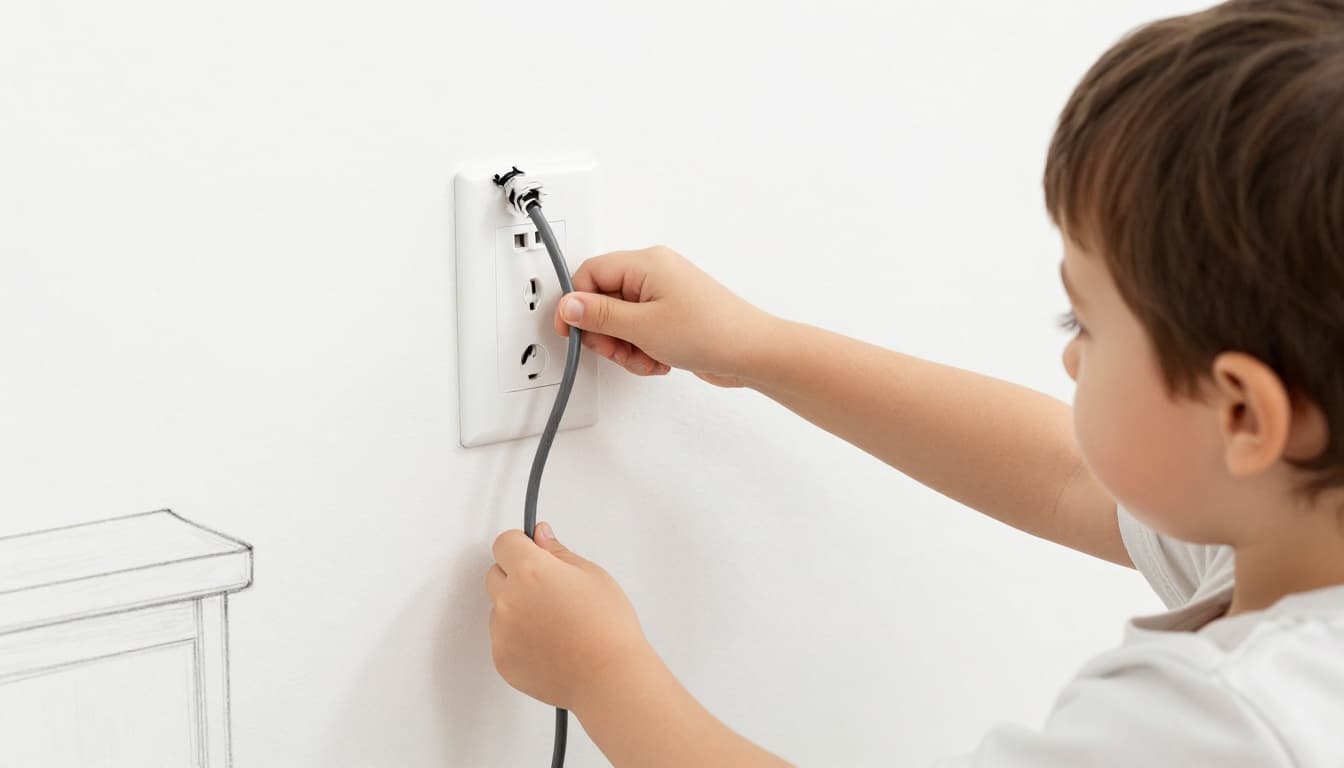
Watch for signs in your home. Dangling chargers snake across floors. Frayed covers expose wires. Power strips sit low and loaded.
A survey found one in four parents skip electrical talks with under-fives. Fires spark from overloaded cords too. About 3,300 home blazes start there yearly. Short circuits cause most.
Yet you hold the power. Spot these risks early. Act now to shield your little ones. Families report fewer scares after simple changes.
Secure Your Space: Step-by-Step Ways to Hide and Bundle Cords Fast
Start with what you have. No big spending needed. Block, bundle, and shorten to keep kids away.
First, push furniture against outlets. Sofas or dressers cover them tight. Lamps and chargers stay plugged but hidden.
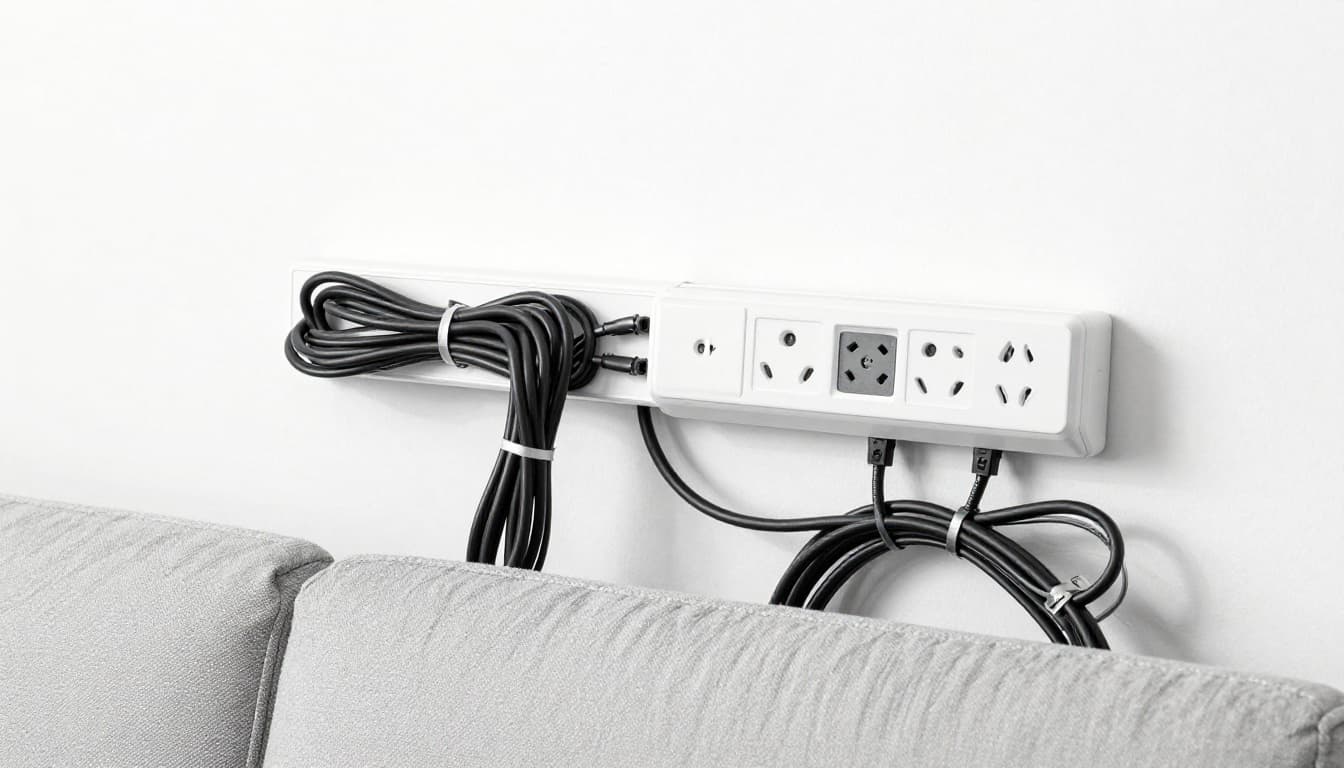
Next, gather cords into thick bundles. Use zip ties or clips. Kids struggle to yank groups. Thick bundles resist chewing too.
Then, cut slack near the source. Twist ties or cord winders work. Leave just enough length to reach devices.
For longer runs, add wall channels. Peel-and-stick raceways tuck wires inside. Baseboard versions blend right in.
Floor cords need flat protectors. Rubber guards lie smooth. Skip rugs over them. Heat builds up and sparks fires.
Unplug unused items always. Supervision fills gaps. Keep eyes on play zones.
Room tips help. In living rooms, route TV cords behind stands. Kitchens see appliance plugs high on counters.
These steps stop pulls, bites, and stumbles. Parents fix in under an hour.
Tame Power Strips and Chargers in High-Traffic Spots
Power strips draw trouble. Mount them high with Velcro strips. Out of reach, yet handy for adults.
Full enclosure covers lock plugs inside. Kids can’t pry them open. Chargers coil neatly too. Stick extras near outlets with adhesive hooks.
Toddlers mouth objects often. Short cords cut grab range. Bundle multiples so one yank fails.
Protect Floor and Wall Runs from Tugs and Trips
Adhesive raceways stick to walls firm. Cut to fit, press cords in. They handle bends around doors.
Rubber floor covers grip carpets. Check for heat after use. Replace if warm.
Test pulls yourself. If it holds, kids stay safe.
Shop Smart: Best Childproof Products to Lock Down Wires
Ready for upgrades? Pick tough, reusable items. They install fast and last.
Cord clips hug walls. Organizers snap shut on shorteners. Cable channels hide runs fully.
Power strip boxes enclose everything. Floor guards take traffic. All beat basic tape.
Here’s a quick look at top picks for 2026:
| Product Type | Key Features | Best For | Price Range |
|---|---|---|---|
| Cord Hiders (e.g., Delamu) | Peel-stick, 8-ft lengths, corners included | Wall/baseboard runs | $8-15 |
| Power Strip Covers | Full enclosures, adult-only release | High-traffic plugs | $10-20 |
| Floor Protectors | Rubber, non-slip, cut-to-fit | Cross-room cords | $12-25 |
| Shorteners | Snap cases for slack | Chargers, lamps | $5-10 |
These come from parent-tested lists. Buy at Target or Amazon for quick ship. A 2025 guide to cord covers highlights easy ones.
Combine with habits. They double protection.
Outlet Pair-Ups That Boost Cord Safety
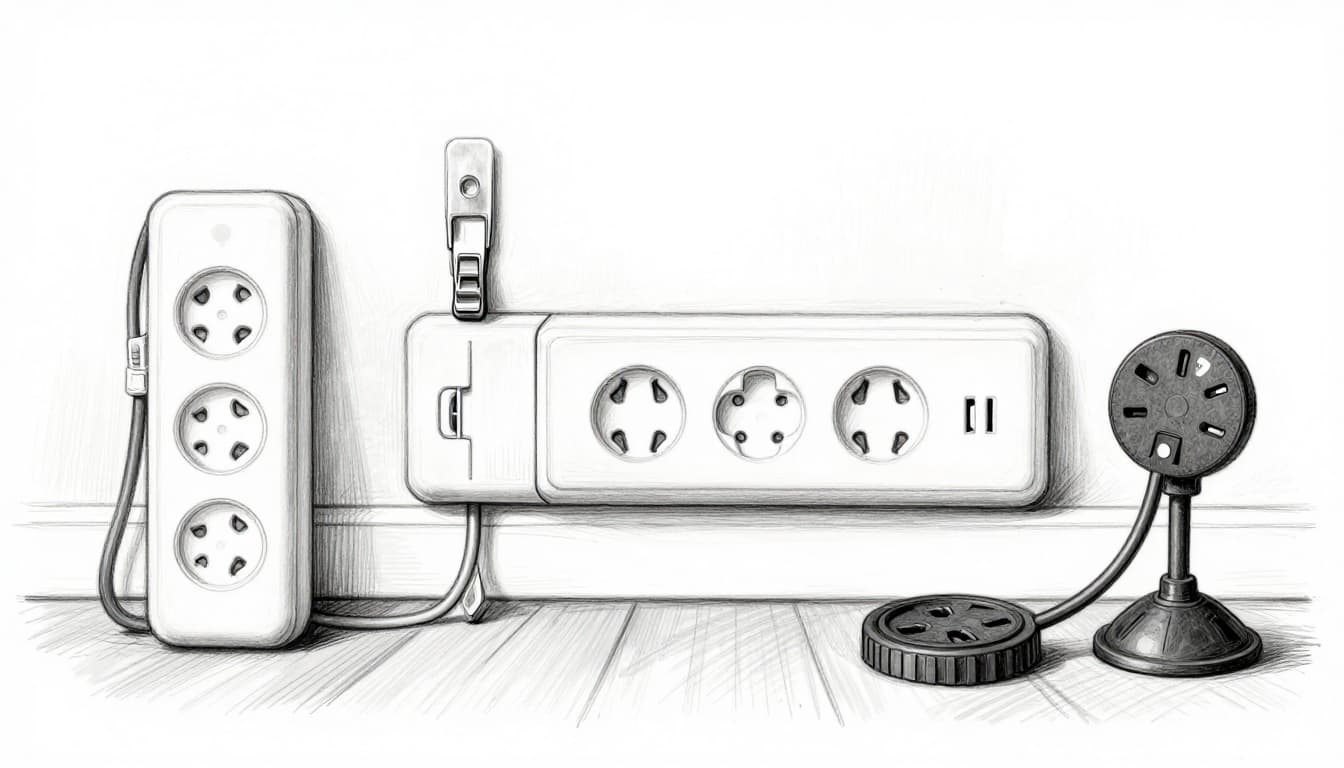
Sliding covers fit over used outlets. Tamper-resistant receptacles (TRRs) shut tight without plugs.
New codes require TRRs. They pair with cord hides. Kids bounce off both.
For details on step-by-step outlet babyproofing, check proven methods.
Make Safety Stick: Checks, Talks, and Long-Term Wins
Habits seal the deal. Inspect monthly for frays or chews. Replace damaged cords right away.
Teach “no touch” as kids grow. Start simple at age two. Praise good choices.
Unplug when away. Surveys show kids climb furniture for cords. Block access first.
Parents share wins. One mom fixed her living room setup. No tugs or trips since.
Start one change today. Peace follows fast.
Small tweaks cut risks big. Hide and bundle first. Grab a product or two next.
You’ve got the risks down. Act on bundling, products, and checks. Your home turns safer overnight.
Share your fixes in comments. Pin this for later. Walk your space now. Kids deserve worry-free fun.