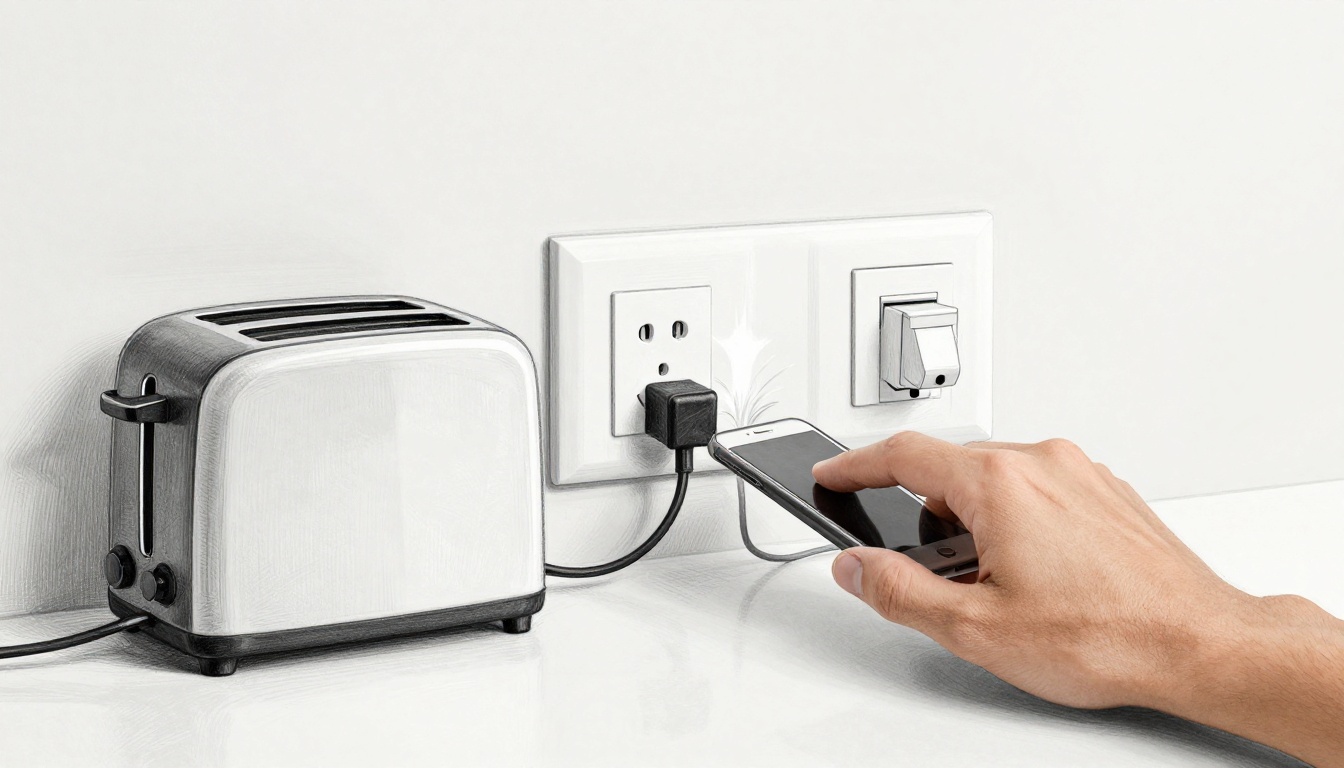
Home electrical accidents spark about 51,000 fires each year. These blazes cause nearly 500 deaths, over 1,400 injuries, and $1.3 billion in damage. Everyday items like toasters, chargers, and lamps hide big risks in kitchens, bathrooms, and more.
Picture this: a family overloads one outlet with a vacuum, lamps, and chargers. The outlet buzzes hot. Sparks fly, and flames start. Luckily, a tripped breaker stops it. But close calls like that happen too often.
You can slash these dangers with simple steps. Spot risks from common culprits. Check cords and outlets daily. Build safe habits in high-risk spots. Install key safety devices. Let’s dive into these now.
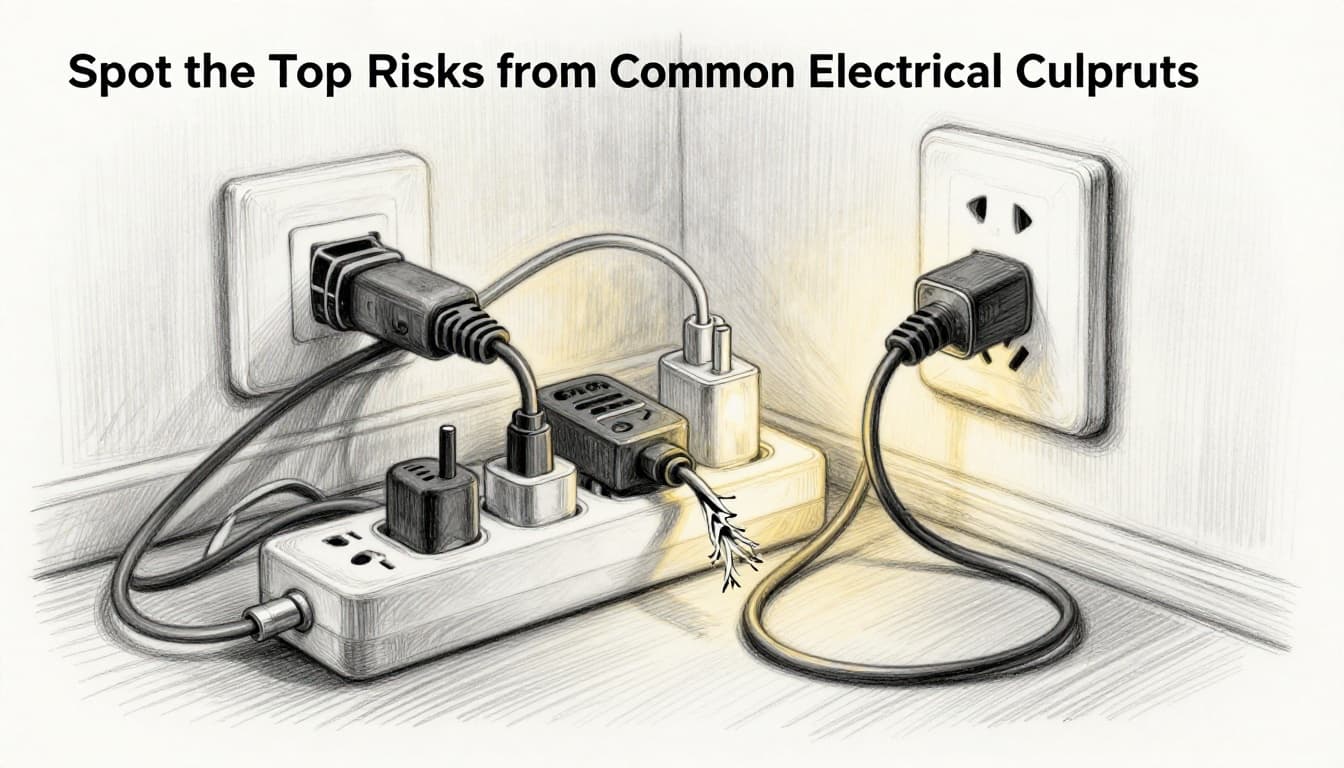
Spot the Top Risks from Common Electrical Culprits
Arcing faults ignite 28,000 home fires yearly. Outlets play a role in 5,300 fires, with 40 deaths. Everyday triggers include overloaded circuits, frayed cords, power strips, wet areas, faulty appliances, and old wiring in pre-1990 homes.
Overloaded circuits buzz and heat up when you plug in too much. Frayed cords on vacuums or irons expose wires that spark. Power strips with daisy-chained extras overload fast. Water near plugs in bathrooms shocks users. Stoves cause 40% of fatal electrical fires because grease and heat build up. Old wiring cracks and fails under load.
Kitchens and bathrooms lead as danger zones. Water mixes with power there. Flickering lights or buzzing outlets signal trouble. Spot these early. You prevent shocks and fires before they start.
Overloaded Circuits and Frayed Cords
Plug chargers, lamps, and vacuums into one spot. Breakers trip, or worse, fires spark. Heat builds because wires carry too much current.
Frayed cords on irons or hair dryers bare copper wires. A tug exposes them more. One example: a pet chews a lamp cord. Sparks follow. Spread plugs across outlets. Replace frayed ones right away.
Water and Electricity: A Deadly Mix
Wet hands on plugs near sinks cause shocks. Devices by tubs or in garages fail in moisture. Outdoor outlets in rain short out fast.
Garages and basements trap damp air. Tools plugged there rust and arc. Keep plugs dry. Use covers outside. Water conducts power. It turns safe items deadly.
Perform Easy Daily Checks on Cords, Plugs, and Outlets
Inspect cords monthly. Look for cracks, frays, or melted spots. Feel for heat. Listen for buzzes. Check outlets for dim lights or trips.
Replace damaged cords. Never tape them. Dust clogs outlets and sparks fires. Vacuum gently. Label breakers so you know what cuts power fast. Unplug unused appliances. They draw phantom power and overheat.
Surge protectors guard TVs and phones from spikes. Damaged cords and outlets fuel thousands of fires each year. Make checks a family habit. Use a quick list: cords, plugs, outlets, done.
For more on electrical home fire safety, check trusted guides.
Warning Signs That Scream ‘Fix Me Now’
Sizzling sounds mean arcs inside walls. Warm outlets signal overloads. Scorch marks show past heat. Breakers trip often from faults.
Call an electrician at once. Don’t DIY these. One ignored sign starts a blaze.
Safe Swaps for Power Strips and Extensions
Skip daisy-chaining strips. They overheat quick. Pick heavy-duty ones rated for your load.
Avoid wet spots. Replace every two to three years, or if they warm up. Use them temporary only.
Master Safe Habits in Your Kitchen and Bathroom
Keep devices from sinks and tubs. Dry hands before plugs. Unplug toasters and mixers after use. No phone charging by baths.
Garages need elevated outlets. Kitchens see stove fires most. Unplug small appliances daily. It cuts fire risk big time.
Build routines. Wipe counters clear of cords. You dodge sparks while cooking.
Kitchen Rules to Dodge Sparks While Cooking
Cords over counters hit water spills. Keep space around fridges and microwaves for air flow. Clean grease from outlets monthly.
Stoves spark from faulty elements. Unplug extras during meals.
Bathroom and Garage Tricks for Dry Safety
Dry zones only for plugs. Test GFCIs monthly. Store tools away from damp floors.
Elevate garage outlets. Moisture rises.
Install and Maintain Game-Changing Safety Devices
GFCIs cut power on ground faults. Required in wet areas. Test monthly by pressing the button. AFCIs spot arcs in bedrooms.
Smoke alarms go on every level. 65% of deaths happen without them. Surge protectors follow code in many states now.
Get home inspections for old wiring. Hire electricians for installs. Test GFCIs often. Replace cords. Check pros every 10 years, or after renos.
See a GFCI breaker installation guide for details.
Why GFCIs and AFCIs Are Your Home’s Silent Guardians
GFCI senses leaks to ground and shuts off in milliseconds. Stops shocks. AFCI detects dangerous arcs before fires.
Need them in kitchens, baths, garages, outdoors, bedrooms.
Smoke Detectors and Surge Protectors Essentials
Install smokes per level and bedroom. Test monthly. Replace batteries yearly.
Surges protect electronics from lightning spikes.
Spot risks and check gear. Smart habits save lives. Devices guard your home.
Action slashes 2026 stats. Do one check today. Call an electrician for a full inspection.
Your home gets safer now. Share your tips below. What’s your first fix?
(Word count: 982)