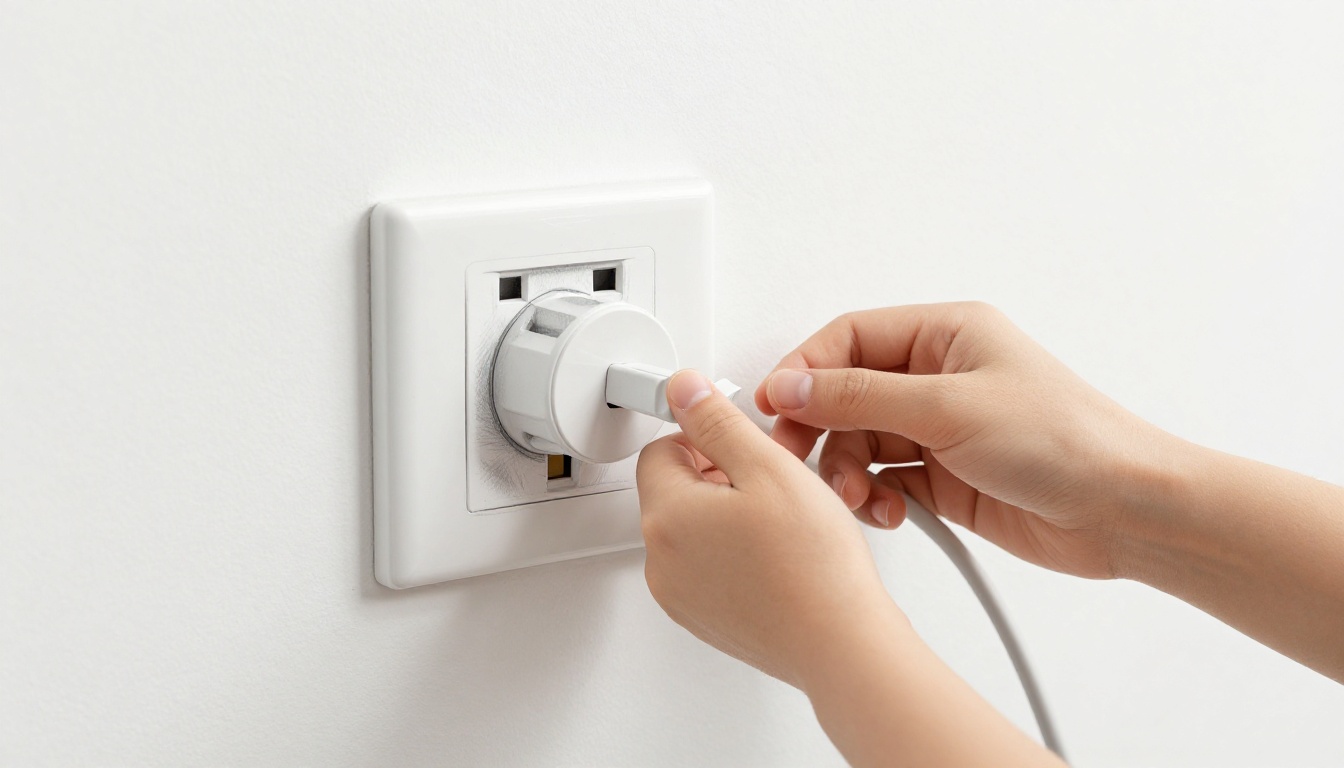
Each year, about 2,400 children in the U.S. head to emergency rooms for injuries from sticking objects into electrical outlets. That’s from recent ESFI data. These shocks and burns happen fast, often to boys under 6 who grab hairpins, keys, or even their fingers.
Parents worry about this daily. Kids explore with curiosity, but electricity packs a punch. It can cause painful burns, fires, or worse. Teaching simple rules changes that. Kids learn to spot dangers around outlets, power lines, appliances, and cords. Groups like NFPA, ESFI, and CPSC back these tips with real stats and guidelines.
You can prevent most mishaps with quick chats and habits. Let’s start with the biggest indoor threat: outlets.
Master Outlet Safety to Avoid Shocks at Home
Outlets top the list of home dangers for young kids. They look like fun slots for toys or fingers. But inside waits high-voltage electricity ready to zap.
Kids often insert forks, pens, or chargers by mistake. This leads to burns on hands or faces. ESFI reports nearly seven kids a day faced this in older data, though numbers dropped with better outlets. Still, vigilance matters.
Tell kids outlets bite back. Grown-ups handle plugs. For toddlers, plug covers help, but tamper-resistant outlets work best. They block single objects like keys or pins.
Never Stick Fingers, Toys, or Objects in Outlets
Electricity flows fast through outlets. It shocks or burns on contact. Fingers top the list at 12% of cases, per ESFI stats.
Common items include hairpins at 32% and keys at 17%. A child might test a pencil during play. Or chase a loose charger plug. Result? Red, blistered skin and tears.
The rule stays simple: nothing goes in. See an empty slot? Walk away. Spot a broken outlet? Yell for a parent right away. No touching.
CPSC warns these injuries hit hardest under age 6. Teach early. Repeat often. It saves trips to the doctor.

Avoid Overloading Outlets and Power Strips
Overloading heats outlets. Too many plugs fight for power. Lights flicker. Plugs feel warm.
Kids plug in chargers, lamps, and toys at once. Old homes suffer most. Circuits overload easy.
Rule one: match plugs to slots. No forcing three-prong into two. Use power strips short-term only. Spread devices across rooms.
For details on tamper-resistant options that prevent overload risks, check ESFI’s childproofing guide.
Watch for sparks or smells. Unplug everything. Call an electrician. Safe habits keep homes cool.
Stay Clear of Power Lines and Outdoor Electrical Dangers
Outdoors brings new risks. Power lines hum overhead. Kids climb trees or fly kites near them.
Storms drop wires. They look harmless but carry deadly charge. Burns or falls follow close contact. NFPA stresses distance always.
Play far from lines. Retrieve balls with sticks, not hands. After rain, scan yards first.
Transformers buzz in green boxes. Fences guard them for reason. High voltage inside zaps climbers.
Keep Distance from Power Lines and Downed Wires
Stay 10 feet back minimum. Lines sway in wind. Toys snag easy.
See a downed wire? Freeze. Do not touch. Warn friends. Run inside. Call 911.
NFPA rules apply everywhere. Assume live power. One touch stops hearts.
A kid once kicked a soccer ball under a line. He fetched it safe by asking Dad. Smart move.
Skip Playing Near Transformers or Electrical Boxes
Those pad-mounted green boxes hide lethal volts. Fences scream “stay out.”
Kids hide behind them in games. Or climb for fun. Shocks hit hard.
ESFI notes curiosity kills. Treat as no-play zones. Like hot stoves inside.
Parents model this. Walk wide. Explain why. Kids follow suit.
Build Smart Habits with Appliances, Cords, and Chargers
Daily items like toasters or hair dryers spark trouble. Cords fray over time. Water nearby worsens shocks.
Kids yank plugs during play. Or use cracked chargers. Fires start quiet.
NFPA lists dos: check first, unplug after, keep dry. Water conducts electricity fast.
Near sinks or pools? Extra care. Drop a live toaster? Jump back.
Inspect Cords and Appliances for Damage
Look close each time. Cuts expose wires. Bent prongs fail safe.
Feel for heat. See cracks? Stop. Tell a grown-up.
CPSC data shows extension cords cause 3,300 home fires yearly. Half from damage.
Routine checks prevent most. Teach kids the habit young.
Unplug Devices and Avoid Yanking Cords
Pull the plug, not the cord. Yanking frays inside.
Unplug chargers when done. They draw power idle. Fires brew slow.
No tug games with siblings. Cords snap easy.
For extension cord fire tips, see NFPA’s safety practices.
Dry hands help too. Habits build safety nets.
Fun Ways to Teach Kids These Safety Rules
Kids tune out lectures. Make lessons games instead. Repetition sticks without fear.
NFPA offers videos. ESFI has kids’ zones. Print sheets for fridges.
Chat at dinner. Praise smart choices. Back-to-school fits perfect.
Watch Educational Videos and Play Safety Games
ESFI’s Kids Corner shines. P.I. Plug cartoons spot outlet dangers. Fun detectives hunt hazards.
NFPA’s Ozzie shows line safety. Short clips hold attention.
Watch together. Pause. Ask “What next?” Kids remember.
Try ESFI’s P.I. Plug home safety video. It covers plugs and fires playful.
Games quiz rules. Winners get stickers.
Role-Play Real-Life Situations at Home
Act storms with yarn as wires. Practice “stay back.”
Pretend outlet itch. Choose “tell Mom.”
Praise right moves. Builds confidence.
Repeat weekly. Kids own the rules.
These steps empower without scares.
Outlet mastery blocks indoor zaps. Line distance dodges outdoor shocks. Appliance smarts handle daily tools. Teaching turns rules into reflexes.
ESFI’s 2,400 yearly ER visits drop when families act. Start today.
Share these with relatives. Print NFPA or ESFI guides. Watch a video tonight.
Your kids stay safe and strong. How do you teach safety? Drop thoughts below.
(Word count: 1492)