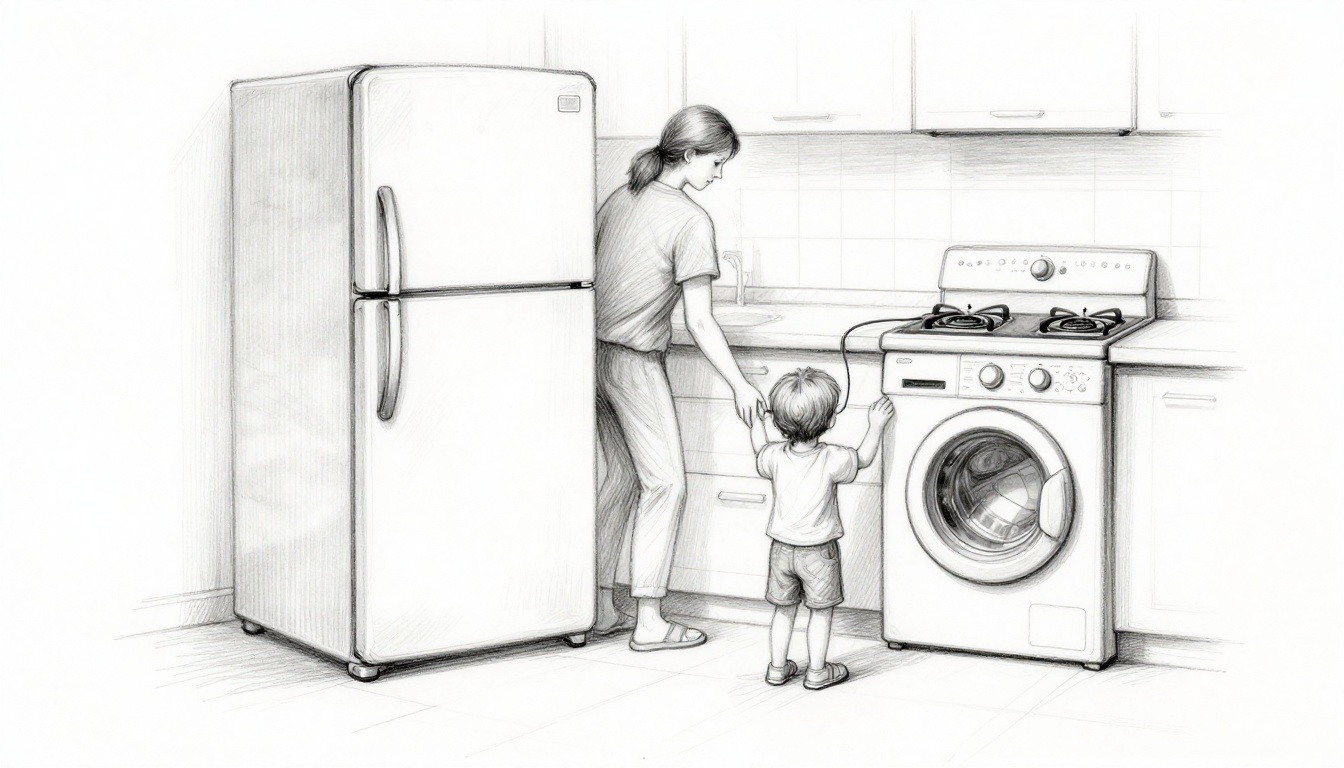
Household appliances make life easier. They cook meals, clean clothes, and keep food fresh. Yet they cause serious harm. From 2020 to 2024, refrigerators led to over 214,000 injuries in the US. Ranges and ovens followed with more than 152,000. These numbers come from CPSC data on emergency room visits.
Families face cuts, burns, fractures, and shocks every day. A tipped fridge can crush a child. An unattended stove sparks fires that cost thousands to fix. How to use household appliances safely prevents these dangers. You can spot risks and follow simple rules.
This post covers why accidents happen. It shares tips for kitchen gear, laundry machines, and more. You’ll also learn general habits plus smart tech upgrades. Start today to keep your home safe.
Why Household Appliance Accidents Happen and How to Spot the Risks
Accidents stem from simple mistakes. People overload machines or skip checks. Poor maintenance lets problems build. For example, frayed cords spark shocks. Water near plugs causes electrocution.
CPSC tracks these issues closely. Refrigerators top the list with over 214,000 injuries from 2020 to 2024. Most involve fractures. Doors slam shut or units tip over. Kids pull on handles, and heavy doors cause falls.
Ranges and ovens rank next at 152,000 injuries. Burns and cuts happen during use. Grease builds up and ignites. Unattended pots boil dry. Vacuums add almost 84,000 cases, often from tumbles down stairs.
Cooking fires make up half of home blazes. They lead to 50% of fire injuries. Average damage hits $73,000 per incident, per older NFPA reports. Newer data shows cooking still leads.
Dishwashers cut deep with sharp blades inside. Overloads jam washers and dryers. Spot risks by walking your home. Check for wobbly units. Look at cords for wear. Test doors on fridges.
Improper handling causes most harm. Heat from ovens burns skin. Falls follow tipped gear. Defects play a role too. For detailed stats, see CPSC data on ranges and ovens.
In short, know your appliances. Inspect them weekly. This awareness stops trouble before it starts.
Kitchen Appliances: Prevent Fires, Burns, and Shocks While Cooking
Kitchens see the most action. Stoves heat food fast. But they burn homes too. Stay alert to avoid tragedy. Clean often and use tools right. Smart habits keep meals safe.
Stoves and Ovens: Your Biggest Fire Risk
Stoves cause most kitchen fires. Unattended pots spark 30% of them. Grease drips ignite easily.
Turn knobs inward after use. Kids can’t reach them then. Set timers every time. They buzz if you forget.
Clean vents monthly. Buildup blocks air and fuels flames. Wipe spills right away. For grease fires, slide a lid over the pan. Turn off heat. Never use water; it spreads flames.
NFPA notes cooking leads home fires. Check their safety tips for cooking equipment. Real cases show pots left on cause $724 million in damage yearly.
Ovens need care too. Use mitts always. Racks slide out hot. Let them cool before wiping.
These steps cut risks big time. Cook with peace of mind.

Microwaves and Refrigerators: Avoid Everyday Injuries
Microwaves seem harmless. But metal sparks arcs. Keep them dry inside. No foil or utensils.
Cover food with paper towels. Steam builds safe. Popcorn bags work too. Wipe seals often. Crumbs draw bugs and mold.
Refrigerators tip easy. Bolt them to walls. Organize shelves low. Heavy items stay eye level. Test doors shut firm.
Falls happen when kids climb. Fractures follow. Check seals yearly. Poor ones waste power and spoil food.
Quick checks prevent most issues. Stay organized and safe.
Dishwashers: Sharp Edges and Steam Hazards
Knives hide in loads. They slice hands on unload. Place points down. Run an empty cycle first on new units.
Steam burns skin. Keep faces back at end. Let it cool five minutes.
Leaks flood floors. Wipe under monthly. Tighten hoses.
Load loose. Overpacks jam arms. These habits stop cuts fast.
Laundry Machines and Irons: Stop Overloads and Tipping Disasters
Laundry day feels routine. But washers shake loose. Dryers lint up and overheat. Overloads jam motors.
Don’t stuff full. Half loads spin best. Check hoses for cracks. Leaks ruin floors.
Level machines on install. Wobbles tip them. Bolt to walls if needed.
Irons scorch if left on. Unplug after use. Store cool on stands.
Vacuums trip folks. Wrap cords neat. Never run near stairs alone.
NFPA reports 15,970 fires yearly from these. Lint causes most. Clean traps weekly.
Overloads lead to breakdowns. For fire stats, review NFPA data on washers and dryers.
Simple checks make laundry safe. No more worries.
Universal Safety Rules Plus Smart Tech Upgrades Everyone Needs
Rules apply to all gear. Read manuals first. They list quirks.
Unplug before cleaning. Water and power mix bad. Keep kids and pets away. Cords tempt pulls.
Inspect cords monthly. Frayed ones shock. Replace right away.
Check recalls yearly at CPSC sites. Faults hide in old units.
Carbon monoxide detectors save lives in winter. Gas dryers need them.
Now smart tech helps. In 2026, features grow 11.6%. Auto shut-offs stop forgotten stoves. Leak sensors alert phones.
Fridges ping for odd sounds. Washers detect floods. Voice controls unplug easy.
Over 60% of homes add these. They predict fails early. Seniors love alerts for independence.
One checklist works: inspect, unplug, update. Use household appliances safely every day.
Safe Habits Keep Homes Secure
Appliance injuries hit 161,814 in a recent year. But prevention drops them. Spot risks like tips and grease. Follow kitchen rules on stoves and fridges. Handle laundry smart.
Inspect today. Unplug extras. Add detectors. Small steps block big harm.
Share these tips. Print a checklist for your kitchen. How will you check your fridge first? Safe use protects what matters most.